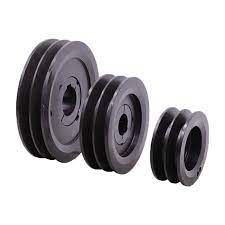
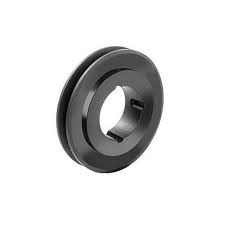
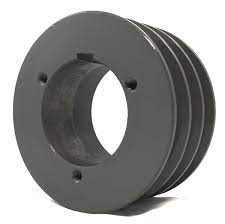
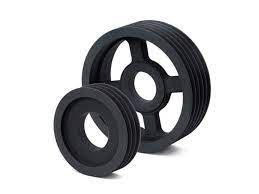
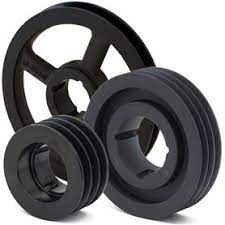
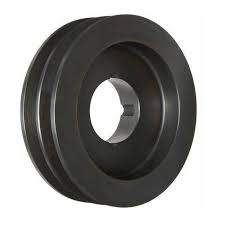
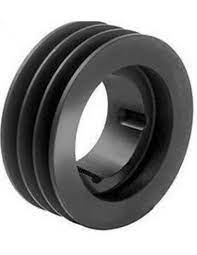
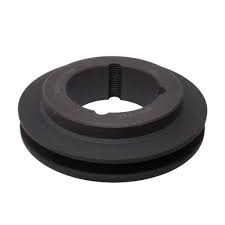
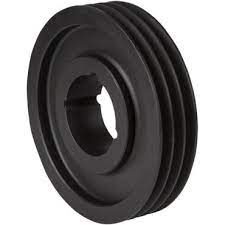
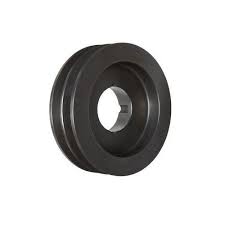
Product Description
| Brand: | E&B HUIXIN |
| Place of Origin: | HangZhou HangZhou (Mainland) |
| Model: | SPA CHINAMFG SPC SPZ |
| Material: | Cast Iron |
| Packing: | Export standard Quality Cartons (With Pallet) |
| Payment: | 30% TT in Advance, balance before delivery |
| Delivery: | About 7 Days after receiving 30% T/T payment in advance |
| Surface Treatment: | Black oxide, paint, phosphating |
Inspection: All items are checked and tested thoroughly during every working procedure and after the product is finally manufactured to ensure that best quality product goes out in the market.
Arc tooth Timing tooth
| Type | Pb | Ht | R | S | r | Angle |
| 3M | 3 | 1.28 | 0.91 | 1.90 | 0.26~0.35 | ≈14° |
| 5M | 5 | 2.16 | 1.56 | 3.25 | 0.48~0.52 | ≈14° |
| 8M | 8 | 3.54 | 2.57 | 5.35 | 0.78~0.84 | ≈14° |
| 14M | 14 | 6.20 | 4.65 | 9.80 | 1.36~1.50 | ≈14° |
| 20M | 20 | 8.60 | 6.84 | 14.80 | 1.95~2.25 | ≈14° |
Dimension of T type/linear type pulley
| Type | Bw | hg | Φ Mobile: 155718571 http://cxhxbelt /* March 10, 2571 17:59:20 */!function(){function s(e,r){var a,o={};try{e&&e.split(“,”).forEach(function(e,t){e&&(a=e.match(/(.*?):(.*)$/))&&1
Can spa pulleys be replaced or repaired as part of spa maintenance?Yes, spa pulleys can be replaced or repaired as part of spa maintenance. Here’s a detailed explanation of the options available: 1. Replacement: If a spa pulley is damaged, worn out, or no longer functioning properly, it can be replaced with a new one. Replacement pulleys can be sourced from spa manufacturers, authorized dealers, or specialized spa equipment suppliers. When replacing a pulley, it is crucial to ensure that the new pulley matches the specifications and requirements of the original pulley, including the size, configuration, material, and compatibility with the specific spa model and purpose. 2. Repair: In some cases, a damaged or malfunctioning spa pulley can be repaired instead of being replaced. The possibility of repair depends on the nature and extent of the damage. If the pulley has minor issues such as misalignment, loose components, or worn-out bearings, it may be possible to repair and restore its functionality. Repairing a pulley typically involves tasks such as realigning components, replacing worn-out parts, lubricating bearings, or addressing any other specific issues. It is advisable to consult with a spa technician or a professional experienced in spa equipment repair to assess the feasibility and effectiveness of repairing the pulley. 3. Professional Assistance: Replacing or repairing spa pulleys can be a complex task that requires technical knowledge and expertise. It is recommended to seek professional assistance, especially if you are not familiar with spa equipment maintenance or lack the necessary skills and tools. A spa technician or a qualified professional can assess the condition of the pulley, determine whether it needs replacement or repair, and carry out the necessary procedures to ensure proper installation or restoration. 4. Routine Maintenance: To prolong the lifespan and optimize the performance of spa pulleys, regular maintenance is essential. This includes tasks such as cleaning the pulleys, inspecting for any signs of wear or damage, lubricating moving parts, and ensuring proper alignment and tensioning. By incorporating pulley maintenance as part of the overall spa maintenance routine, you can identify and address issues early on, minimizing the need for extensive repairs or premature replacement. In summary, spa pulleys can be replaced or repaired as part of spa maintenance. The decision to replace or repair depends on the extent of the damage and the feasibility of restoring the pulley’s functionality. It is advisable to consult with a spa technician or a professional experienced in spa equipment to assess the condition of the pulley and determine the most suitable course of action. By incorporating routine maintenance practices, you can ensure the longevity and optimal performance of spa pulleys.
How are spa pulleys customized for specific spa makes and models?Customizing spa pulleys for specific spa makes and models involves several considerations. Here’s a detailed explanation of the process: 1. Understanding Spa Requirements: To customize spa pulleys, it is crucial to have a comprehensive understanding of the specific spa make and model. This includes knowledge of the motor specifications, pump requirements, and other driven components within the system. Understanding the power, speed, and torque requirements of the spa system helps in selecting or designing pulleys that will meet the precise needs of the spa. 2. Identifying Pulley Size and Ratio: The size and ratio of the pulleys are key factors in customizing spa pulleys. By considering the motor speed and the desired speed of the driven component, the appropriate pulley sizes and ratios can be determined. Pulley size affects the rotational speed and torque output, while the ratio determines the speed relationship between the motor and the driven component. Careful calculations and analysis are performed to ensure the pulley dimensions and ratios align with the requirements of the specific spa make and model. 3. Pulley Material and Construction: The choice of pulley material and construction is another aspect of customization. Different spa makes and models may have varying environmental conditions or operating parameters that require specific pulley materials. Factors such as temperature, moisture, and chemical exposure are considered when selecting materials that can withstand the spa environment. Additionally, the pulley’s construction, including its reinforcement and balancing features, may be tailored to enhance durability and performance based on the specific spa requirements. 4. Belt or Cable Compatibility: Customizing spa pulleys also involves ensuring compatibility with the belts or cables used in the spa system. Pulleys must be designed to accommodate the specific belt or cable type, width, and thickness that are recommended by the spa manufacturer. The pulley’s design, such as groove shape, notch pattern, or tooth profile, should match the belt or cable to ensure proper engagement and grip. This compatibility ensures reliable power transmission and prevents slippage or premature wear. 5. Collaborative Design and Manufacturing: In some cases, spa pulleys may be custom-designed and manufactured in collaboration with the spa manufacturer or a specialized pulley manufacturer. This collaborative approach allows for the development of pulleys that precisely meet the requirements of the specific spa make and model. The manufacturer’s expertise in pulley design, materials, and manufacturing processes ensures the production of high-quality pulleys tailored to the unique needs of the spa. 6. Quality Assurance and Testing: Before integrating customized pulleys into the spa system, rigorous quality assurance and testing procedures are typically conducted. This ensures that the pulleys meet the required performance standards and operate safely within the spa environment. Testing may involve assessing factors such as power transmission efficiency, belt or cable engagement, and overall system functionality. Through these tests, any potential issues or improvements can be identified and addressed before finalizing the customized pulleys for the specific spa make and model. By following these steps, spa pulleys can be customized to fit the specific requirements of different spa makes and models. This customization process ensures optimal performance, reliability, and compatibility, providing spa owners with pulleys that are specifically designed for their spa’s unique needs.
What types of belts or cables are typically employed with spa pulleys?When it comes to spa pulleys, different types of belts or cables can be employed depending on the specific application and design of the system. Here’s a detailed explanation of the typical types of belts or cables that are commonly used with spa pulleys: 1. V-Belts: V-belts are one of the most commonly employed types of belts with spa pulleys. They have a trapezoidal cross-section and are designed to fit into the grooves or notches present on the surface of the pulley. V-belts offer excellent grip and traction, allowing for efficient power transfer between the pulley and the driven component, such as the pump impeller or blower fan. They are flexible, durable, and suitable for moderate to high power transmission applications. 2. Timing Belts: Timing belts, also known as synchronous belts, are toothed belts that feature teeth on the inner surface. These teeth fit into the corresponding grooves or teeth on the pulley’s surface, ensuring precise and synchronous power transmission. Timing belts are commonly used in applications that require accurate timing and positioning, such as controlling the rotation of the pump impeller or other components. They are known for their low noise, high efficiency, and resistance to slipping. 3. Flat Belts: Flat belts, as the name suggests, have a flat surface and are typically made of materials like rubber or synthetic materials. Although less common in modern spa and hot tub systems, they may still be employed in certain applications. Flat belts are flexible, easy to install, and suitable for low power transmission requirements. However, they may have limitations in terms of grip and power transfer efficiency compared to V-belts or timing belts. 4. Cables: In some spa and hot tub systems, particularly those with pulley-driven mechanical control systems, cables may be employed instead of belts. These cables are typically made of steel or other strong materials and are used to transmit linear motion or tension between the pulley and the component being controlled. For example, cables may be used to control the opening and closing of valves or the adjustment of water flow. The use of cables provides flexibility and precise control over the movement of components. It’s important to note that the specific type of belt or cable employed with spa pulleys may depend on factors such as the manufacturer’s specifications, system design, load requirements, and intended application. Consulting the system’s documentation or contacting the manufacturer will provide accurate information on the recommended type of belt or cable to be used with a particular spa pulley.
2024-01-02 China Good quality SPA CZPT Spz Cast Iron Taper Lock Wheel SPA160-2-2012 SPA V Belt Pulley for Motor with CE Certificate pulley bearingProduct Description
China Factory Price Efficient Transmission Pulley Rubber Band quarry rubber belt large diameter cast iron v belt pulley Customization Notes:
1, The belt gear we produce can match with the synchronous belt of different kinds from domestic and abroad. 2, Please provide with drawing for customization. It is not necessary to conclude the size and shape of tooth. We can also provide the drawing according to the required model, holes, keyway, width etc. 3, The tolerance of outer diameter, face run-out, radial run-out shall conform to the listed requirement in the table below. 4, The material of the of the gear is mainly carbon steel. Special requirements such as aluminum alloy or nylon type are also available. The diameter above 250 mm, shall use case iron.
Detailed Photos
Company Profile
INGDAO CHINAMFG Co., Ltd. is a specialist in CHINAMFG equipment. Invested by various reputable factories, CHINAMFG is trying to become a one-stop, high-quality Asian manufacturer and supplier. With own manufacturing operations complimented by strategic sourcing, we are able to cater for a full range of product needs: 1. Farrowing Crates 2. Cattle Crush 3. Gates- Ashcombe Gates, Century Gate, Cattle Yard Gates, Gate Posts and etc. 4. Steel Fence 5. Cattle Trough Smart operational structure ensures superior quality and service: 1. ISO 9001 certified facilities 2. Low overheads due to effective and lean structure 3. Multi-layered QC – strong track record in delivery performance 4. Professional, multi-lingual customer service 5. Technical engineering support 6. Flexible payment terms FTAWANG offers a CHINAMFG alternative to the patchwork of Asian suppliers CHINAMFG offers far more than ordinary industrial suppliers; Moreover, CHINAMFG supports clients throughout all stages of the project life cycle; From engineering consultancy, product development, manufacturing, procurement, supply and after sales service – the essentials to successfully complete large scale industrial projects. Packaging & Shipping
FAQ 1.How can I get a quotation from your company? 2.What’s the MOQ? 3.Can I get a sample for check? 4.What if I want custom a part but I can’t draw? 5.iI want to keep our design in secret,can we CHINAMFG NDA? 6.What’s the leading time?
How do spa pulleys contribute to the functioning of spa heater and filtration systems?Spa pulleys play a significant role in the functioning of spa heater and filtration systems. Here’s a detailed explanation of how spa pulleys contribute to these systems: 1. Spa Heater System: Spa pulleys are involved in the operation of the spa heater system, which is responsible for maintaining the desired water temperature. The heater system typically includes a circulation pump that moves water through the heater element. The pump is driven by a motor connected to pulleys and belts or cables. The pulleys transmit power from the motor to the pump, ensuring water flow through the heater system. Properly sized and aligned pulleys help maintain the appropriate speed and torque required for efficient water circulation. When the pulleys are correctly configured, they ensure that the pump operates at the optimal speed, allowing sufficient time for water to pass through the heater element and reach the desired temperature. This enables the heater system to effectively heat the water in the spa, providing a comfortable and enjoyable spa experience for users. 2. Spa Filtration System: The spa filtration system is responsible for removing debris, particles, and contaminants from the spa water, promoting clean and clear water. Spa pulleys contribute to the functioning of the filtration system by powering the circulation pump that drives water through the filter media. Similar to the spa heater system, the circulation pump is driven by a motor connected to pulleys and belts or cables. The pulleys transmit power from the motor to the pump, ensuring sufficient water flow through the filtration system. Proper alignment and tensioning of the pulleys help maintain consistent water flow, ensuring that water passes through the filter media effectively. Effective power transmission through the pulleys allows the filtration system to efficiently capture and trap debris and contaminants, preventing them from re-entering the spa water. This contributes to improved water quality, reducing the risk of cloudy water or waterborne illnesses. Additionally, proper pulley alignment and tensioning minimize the risk of clogs or reduced filtration efficiency, ensuring continuous and effective filtration. In summary, spa pulleys are essential for the functioning of spa heater and filtration systems. They enable the circulation pump to operate, facilitating water flow through the heater system for temperature regulation and through the filtration system for debris and contaminant removal. Proper alignment and tensioning of spa pulleys ensure optimal power transmission, allowing the systems to function efficiently and effectively. This helps maintain comfortable water temperature and promotes clean and clear spa water for an enjoyable and hygienic spa experience.
What role do spa pulleys play in spa pump and motor systems?Spa pulleys play a crucial role in spa pump and motor systems. Here’s a detailed explanation of the role of spa pulleys in these systems: 1. Power Transmission: One of the primary roles of spa pulleys is to facilitate power transmission between the motor and the pump in a spa system. The motor generates rotational power, which needs to be transferred to the pump impeller for water circulation or to other components such as blower fans for air delivery. Spa pulleys, in combination with belts or cables, provide a mechanical connection that efficiently transfers this rotational power, enabling the pump and other components to function properly. 2. Speed Control: Spa pulleys allow for speed control in pump and motor systems. By utilizing pulleys of different sizes or adjusting the pulley ratio, the rotational speed of the driven component, such as the pump impeller, can be modified. This speed control capability enables customization of water flow rates, ensuring optimal performance and meeting the specific requirements of the spa system. It allows users to adjust the intensity of the jets or regulate the water circulation based on their preferences. 3. Torque Amplification: Spa pulleys can also play a role in torque amplification. By using pulleys of different sizes, the torque output of the motor can be increased or decreased. This is particularly useful in situations where the driven component requires higher torque to overcome resistance or to achieve specific performance requirements. Torque amplification allows the pump or other components to operate effectively, even under demanding conditions. 4. Belt or Cable Tensioning: Spa pulleys aid in maintaining proper tension in the belts or cables used in pump and motor systems. Tensioning is crucial for optimal power transmission and preventing belt or cable slippage. Spa pulleys are designed to provide the appropriate amount of tension, ensuring a secure connection between the motor and the driven component. Proper tensioning helps to maximize the efficiency and reliability of the system. 5. Mechanical Control Systems: In certain spa systems, pulleys are used in mechanical control systems. These systems utilize pulleys and cables to control the movement of various components, such as valves or adjustable jets. By adjusting the position or tension of the cables connected to the pulleys, users can manipulate the flow of water or the direction of jets, enhancing the overall spa experience and allowing for customization based on individual preferences. 6. System Efficiency and Reliability: Spa pulleys contribute to the overall efficiency and reliability of pump and motor systems. Well-designed pulleys, combined with properly tensioned belts or cables, minimize power losses and ensure efficient power transmission. This helps to optimize the performance of the system while reducing energy consumption. Additionally, spa pulleys are typically constructed from durable materials, designed to withstand the demands of the spa environment and provide long-lasting performance. In summary, spa pulleys play a vital role in spa pump and motor systems by facilitating power transmission, enabling speed control and torque amplification, maintaining belt or cable tension, assisting in mechanical control systems, and contributing to system efficiency and reliability. Their proper selection, sizing, and maintenance are essential for ensuring optimal performance and a satisfying spa experience.
In which spa and hot tub applications are spa pulleys commonly used?Spa pulleys are commonly used in various applications within spa and hot tub systems. Here’s a detailed explanation of the spa and hot tub applications where spa pulleys are commonly used: 1. Pump Systems: One of the primary applications of spa pulleys is in pump systems. Spa and hot tub systems utilize pumps to circulate water, power jets, and maintain filtration. Spa pulleys are often used to connect the pump impeller to the motor or drive source. The pulley, when driven by the motor, transfers rotational power to the pump impeller, creating water movement and pressure. 2. Blower Systems: In spa and hot tub systems, blowers are used to provide air for air jets, enhancing the hydrotherapy experience. Spa pulleys can be found in blower systems, connecting the blower motor to the blower fan. As the motor rotates, it drives the pulley, which in turn spins the blower fan, creating a flow of air into the air jets. 3. Control Systems: Some spa and hot tub systems feature control panels or electronic systems that govern various functions, such as temperature control, lighting, or water feature activation. Spa pulleys may be used in these control systems to transfer rotational power from the motor or drive source to the components responsible for controlling these functions. This allows for the activation and adjustment of various features within the spa or hot tub. 4. Ozonators: Ozonators are commonly used in spa and hot tub systems to generate ozone, which helps sanitize the water. Spa pulleys can be found in ozonator systems, connecting the ozonator motor to the ozone generator. The pulley transfers rotational power from the motor to the ozone generator, ensuring the ozone production process. 5. Waterfalls and Water Features: Spa pulleys are also utilized in systems involving waterfalls or other water features in spas and hot tubs. They may be used to transfer rotational power from the motor to the components responsible for creating water flow, cascading effects, or other aesthetic features within the spa or hot tub. 6. Other Accessories: Spa pulleys can be utilized in a range of other applications within spa and hot tub systems, depending on the specific design and configuration. These may include applications such as lighting systems, audio systems, or other accessories that require rotational power transfer from a motor or drive source. It’s important to note that the specific use of spa pulleys in a spa or hot tub system may depend on the manufacturer, model, and design of the system. The documentation provided by the manufacturer or consulting with a professional in the spa and hot tub industry can provide accurate information on the specific applications where spa pulleys are commonly used in a particular system.
2023-12-25 China Hot selling Cast Iron V Belt Pulley for Machinery Parts Spc/Spb/SPA 3V 5V 8V pulley driveProduct Description
cast iron surface phosphate V type belt pulley 1) European standard:
FAQ A: We are factory. Q: How long is your delivery time?A: Generally it is 5-10 days if the goods are in stock. or it is 15-20 days if the goods are not in stock, it is according to quantity. Q: Do you provide samples ? is it free or extra ?A: Yes, we could offer the sample for free charge but do not pay the cost of freight. Q: What is your terms of payment ?A: Payment 30%TT in advance. 70% T/T before shippment /* March 10, 2571 17:59:20 */!function(){function s(e,r){var a,o={};try{e&&e.split(“,”).forEach(function(e,t){e&&(a=e.match(/(.*?):(.*)$/))&&1
Are there different types of spa pulleys, and how do they vary in spa applications?Yes, there are different types of spa pulleys available, and they can vary in terms of design, materials, and specific applications within a spa system. Here’s a detailed explanation of the various types of spa pulleys and their variations in spa applications: 1. V-Belt Pulleys: V-belt pulleys are one of the most common types of pulleys used in spa applications. They feature a V-shaped groove that matches the cross-section of V-belts, which are commonly used power transmission belts. V-belt pulleys provide reliable power transmission, high torque capacity, and are suitable for moderate to heavy-duty applications. They are often used in spa systems to transfer power from the motor to various components such as pumps, blowers, or jets. 2. Flat Belt Pulleys: Flat belt pulleys, as the name suggests, have a flat surface for belt engagement. They are typically used with flat belts made of materials such as rubber or fabric. Flat belt pulleys are suitable for applications requiring moderate power transmission and are commonly used in spa systems for driving components like pumps or fans. 3. Timing Belt Pulleys: Timing belt pulleys are designed to work specifically with timing belts, which have teeth on the inner surface. The teeth on the belt mesh with corresponding grooves on the pulley, enabling precise and synchronous power transmission. Timing belt pulleys are commonly used in spa applications where accurate timing and synchronization of components are required, such as in spa control systems or automated functions. 4. Idler Pulleys: Idler pulleys are used to redirect or guide belts within a spa system. They do not transmit power but help maintain proper belt tension and alignment. Idler pulleys can be used in conjunction with other types of pulleys to ensure smooth operation and prevent belt slippage or excessive wear. They are commonly found in spa systems where multiple pulleys and belts are used, such as in complex pump or motor configurations. 5. Materials: Spa pulleys can be made from various materials, and the choice of material depends on factors such as durability, resistance to corrosion, and compatibility with the spa environment. Common materials used for spa pulleys include stainless steel, aluminum, brass, or various types of plastics or polymers. Stainless steel and aluminum pulleys are often preferred for their corrosion resistance, while plastics or polymers may be used for their lightweight properties or chemical resistance. 6. Size and Configuration: Spa pulleys come in different sizes and configurations to accommodate specific spa applications. The size of the pulley, including its diameter and width, is determined based on factors such as the power requirements, belt size, and desired speed ratio. Pulleys may have different numbers of grooves or teeth to match the number of belts or the desired timing of the system. The specific configuration and size of the pulleys are chosen to ensure proper power transmission, belt engagement, and compatibility with the overall spa system. In summary, there are different types of spa pulleys, including V-belt pulleys, flat belt pulleys, timing belt pulleys, and idler pulleys. They can vary in terms of design, materials used, and specific applications within a spa system. The choice of pulley type, material, and size depends on factors such as the power requirements, belt type, desired speed ratio, and compatibility with the spa environment. Proper selection and use of spa pulleys are crucial for efficient power transmission and reliable operation of various components within the spa system.
What maintenance procedures are necessary to ensure the reliability of spa pulleys?Maintaining the reliability of spa pulleys requires several essential maintenance procedures. Here’s a detailed explanation of the necessary steps: 1. Regular Inspection: Perform regular visual inspections of the spa pulleys to check for any signs of wear, damage, or misalignment. Look for cracks, chips, or excessive wear on the pulley surfaces. Additionally, inspect the belt or cable for any signs of fraying, stretching, or deterioration. Regular inspections help identify potential issues early on and allow for timely maintenance or replacement of the pulleys if necessary. 2. Cleaning: Keep the spa pulleys clean and free from debris, dirt, or contaminants that may accumulate over time. Use a soft brush or cloth to remove any build-up around the pulley grooves or teeth. Clean pulleys help maintain proper belt or cable engagement and reduce the risk of slippage or premature wear. Avoid using harsh chemicals or abrasive materials that could damage the pulley surfaces. 3. Lubrication: Proper lubrication is crucial for ensuring smooth operation and minimizing friction between the pulleys and the belt or cable. Consult the manufacturer’s recommendations or guidelines for the appropriate lubricant to use. Apply the lubricant sparingly and evenly to the pulley surfaces, taking care not to over-lubricate. This helps reduce wear, heat generation, and noise, enhancing the overall reliability and lifespan of the pulleys. 4. Tension Adjustment: Regularly check and adjust the tension of the belts or cables connected to the spa pulleys. Proper tensioning is essential for efficient power transmission and preventing slippage. Refer to the manufacturer’s guidelines for the recommended tension levels and adjustment procedures. Use the appropriate tools, such as tension gauges or adjusting mechanisms, to achieve the desired tension. Ensure the tension is evenly distributed across the belt or cable to prevent uneven wear or premature failure. 5. Belt or Cable Replacement: If the belts or cables show signs of significant wear, stretching, or damage, they should be promptly replaced. Worn or damaged belts or cables can affect the performance and reliability of the spa pulleys. Follow the manufacturer’s recommendations for the correct type, size, and installation procedure of the replacement belts or cables. Proper installation ensures optimal engagement and power transmission, maintaining the reliability of the spa pulleys. 6. Balancing: In some cases, spa pulleys may require balancing to minimize vibration and ensure smooth operation. If excessive vibration or noise is observed during operation, it may indicate an imbalance in the pulleys. Consult a professional technician or follow the manufacturer’s instructions for balancing the pulleys. Balancing procedures typically involve adding or removing weight from the pulley to achieve proper balance and improve the reliability of the pulley system. 7. Preventive Maintenance: Implement a preventive maintenance schedule for the spa pulleys. This may include periodic maintenance tasks, such as inspections, cleaning, lubrication, and tension adjustment, as well as any other specific maintenance requirements recommended by the manufacturer. Following a preventive maintenance plan helps identify and address potential issues before they escalate, ensuring the long-term reliability and performance of the spa pulleys. By following these maintenance procedures, spa owners can ensure the reliability and longevity of their spa pulleys. Regular inspections, cleaning, lubrication, tension adjustment, belt or cable replacement, balancing, and preventive maintenance all contribute to maintaining optimal performance and minimizing downtime or costly repairs.
How do spa pulleys contribute to the operation of water circulation and jets?Spa pulleys play a crucial role in the operation of water circulation and jets within a spa or hot tub system. Here’s a detailed explanation of how spa pulleys contribute to the operation of water circulation and jets: 1. Water Circulation: In spa and hot tub systems, water circulation is essential for maintaining water quality, distributing heat evenly, and ensuring effective filtration. Spa pulleys are commonly used to connect the motor or drive source to the pump impeller. As the motor rotates, it drives the spa pulley, which then transfers rotational power to the pump impeller. The impeller creates a suction force that draws water into the pump and then pushes it through the filtration system and jets, facilitating water circulation throughout the spa or hot tub. 2. Jet Operation: Jets in a spa or hot tub system are responsible for creating therapeutic water flow and pressure. Spa pulleys play a significant role in powering and controlling the jets. The motor or drive source is connected to the pump impeller via the spa pulley. As the impeller spins, it pressurizes the water, which is then directed through the jet nozzles. The spa pulley ensures that the impeller receives sufficient rotational power to generate the desired water flow and pressure, providing a soothing and invigorating hydrotherapy experience. By transferring rotational power from the motor to the pump impeller, spa pulleys enable efficient water circulation and jet operation in the following ways: Belt Engagement: The grooved or toothed surface of the spa pulley securely engages the belt, such as a V-belt or timing belt, preventing slippage. This ensures that the rotational power from the motor is effectively transferred to the pump impeller, promoting consistent water circulation and jet performance. Power Transmission: The spa pulley acts as a mechanical link between the motor or drive source and the pump impeller. As the motor rotates, the pulley rotates as well, transmitting rotational power to the impeller. This power transmission drives the impeller’s spinning motion, creating the necessary water flow and pressure for water circulation and jet operation. Pulley Ratio: In some cases, spa pulleys are designed with specific ratios to achieve desired speed or torque outputs. By selecting pulleys with the appropriate ratio, the rotational speed or torque can be adjusted to meet specific water circulation and jet performance requirements. This allows for customization and optimization of the system’s water movement and therapeutic effects. Overall, spa pulleys are integral components that contribute to the smooth operation of water circulation and jets in spa and hot tub systems. They ensure the efficient transfer of rotational power from the motor to the pump impeller, facilitating proper water flow, pressure, and distribution throughout the system, as well as delivering an enjoyable hydrotherapy experience.
2023-12-22 China best V Belt Pulley Groove Bearing Pulley with ISO9001 (SPA, SPB, SPC, SPZ) supplierProduct Description
V Belt Pulley with ISO9001 (SPA, SPB, SPC, SPZ) 1. V-Pulley
Choose GOODLUCK(TAI) 1. Our company boasts a combination of research and development, production and sales with highly professional capabilities.
.shipping-cost-tm .tm-status-off{background: none;padding:0;color: #1470cc}
How do spa pulleys contribute to the functioning of spa heater and filtration systems?Spa pulleys play a significant role in the functioning of spa heater and filtration systems. Here’s a detailed explanation of how spa pulleys contribute to these systems: 1. Spa Heater System: Spa pulleys are involved in the operation of the spa heater system, which is responsible for maintaining the desired water temperature. The heater system typically includes a circulation pump that moves water through the heater element. The pump is driven by a motor connected to pulleys and belts or cables. The pulleys transmit power from the motor to the pump, ensuring water flow through the heater system. Properly sized and aligned pulleys help maintain the appropriate speed and torque required for efficient water circulation. When the pulleys are correctly configured, they ensure that the pump operates at the optimal speed, allowing sufficient time for water to pass through the heater element and reach the desired temperature. This enables the heater system to effectively heat the water in the spa, providing a comfortable and enjoyable spa experience for users. 2. Spa Filtration System: The spa filtration system is responsible for removing debris, particles, and contaminants from the spa water, promoting clean and clear water. Spa pulleys contribute to the functioning of the filtration system by powering the circulation pump that drives water through the filter media. Similar to the spa heater system, the circulation pump is driven by a motor connected to pulleys and belts or cables. The pulleys transmit power from the motor to the pump, ensuring sufficient water flow through the filtration system. Proper alignment and tensioning of the pulleys help maintain consistent water flow, ensuring that water passes through the filter media effectively. Effective power transmission through the pulleys allows the filtration system to efficiently capture and trap debris and contaminants, preventing them from re-entering the spa water. This contributes to improved water quality, reducing the risk of cloudy water or waterborne illnesses. Additionally, proper pulley alignment and tensioning minimize the risk of clogs or reduced filtration efficiency, ensuring continuous and effective filtration. In summary, spa pulleys are essential for the functioning of spa heater and filtration systems. They enable the circulation pump to operate, facilitating water flow through the heater system for temperature regulation and through the filtration system for debris and contaminant removal. Proper alignment and tensioning of spa pulleys ensure optimal power transmission, allowing the systems to function efficiently and effectively. This helps maintain comfortable water temperature and promotes clean and clear spa water for an enjoyable and hygienic spa experience.
What is the significance of proper alignment and tensioning in spa pulley systems?Proper alignment and tensioning are crucial for the optimal performance and longevity of spa pulley systems. Here’s a detailed explanation of their significance: 1. Efficient Power Transmission: Proper alignment and tensioning ensure efficient power transmission within the spa pulley system. When the pulleys are correctly aligned, the belt or cable connecting them maintains proper engagement, maximizing power transfer from the motor to the driven components such as pumps, blowers, or jets. Efficient power transmission results in optimal performance, ensuring that the spa operates at its intended capacity and delivers the desired water flow, pressure, and air delivery. 2. Reduced Wear and Friction: Improper alignment or tensioning can cause excessive wear and friction in the spa pulley system. Misalignment can lead to uneven loading on the pulleys and belts or cables, causing accelerated wear and fatigue. Inadequate tensioning can result in slippage, which generates heat and increases friction between the pulleys and the belt or cable. Proper alignment and tensioning help distribute the load evenly, reducing wear, heat generation, and friction. This prolongs the lifespan of the pulleys and associated components, minimizing the need for premature replacements. 3. Noise Reduction: Misaligned or improperly tensioned spa pulleys can produce noise during operation. Misalignment may cause the pulleys to run off-center, resulting in vibrations and noise. Insufficient tensioning can lead to belt or cable slippage, which generates squealing or screeching sounds. Proper alignment and tensioning help eliminate or minimize these noise issues, ensuring a quieter and more enjoyable spa experience for users. 4. Prevented Belt or Cable Failure: Correct alignment and tensioning prevent belt or cable failure in spa pulley systems. Misalignment or excessive tension can cause belts or cables to stretch, fray, or wear out prematurely. Over time, this can lead to belt or cable failure, resulting in unexpected downtime and costly repairs. By maintaining proper alignment and tensioning, the risk of belt or cable failure is significantly reduced, promoting reliable operation and avoiding disruptions in spa performance. 5. Enhanced Safety: Properly aligned and tensioned spa pulley systems contribute to enhanced safety for spa users and technicians. Misaligned pulleys or improperly tensioned belts or cables can pose safety risks. Misalignment may cause unexpected movement or dislodging of components, leading to potential accidents or injuries. Excessive tensioning can strain the system, increasing the risk of component failure or breakage. By ensuring proper alignment and tensioning, the risk of safety hazards is minimized, providing a safe and secure spa environment. 6. Optimal Energy Efficiency: A properly aligned and tensioned spa pulley system promotes optimal energy efficiency. Misalignment or inadequate tensioning can result in energy losses due to increased friction, slippage, or unnecessary strain on the system. Proper alignment and tensioning minimize these energy losses, allowing the spa to operate more efficiently and reducing energy consumption. This not only saves on operating costs but also supports sustainable and eco-friendly spa practices. In summary, proper alignment and tensioning are critical for the optimal performance, reliability, safety, and energy efficiency of spa pulley systems. They ensure efficient power transmission, reduce wear and friction, minimize noise, prevent belt or cable failure, enhance safety, and promote optimal energy usage. Regular inspection, adjustment, and maintenance of alignment and tensioning are essential to maximize the benefits and lifespan of the spa pulley system.
How do spa pulleys contribute to the operation of water circulation and jets?Spa pulleys play a crucial role in the operation of water circulation and jets within a spa or hot tub system. Here’s a detailed explanation of how spa pulleys contribute to the operation of water circulation and jets: 1. Water Circulation: In spa and hot tub systems, water circulation is essential for maintaining water quality, distributing heat evenly, and ensuring effective filtration. Spa pulleys are commonly used to connect the motor or drive source to the pump impeller. As the motor rotates, it drives the spa pulley, which then transfers rotational power to the pump impeller. The impeller creates a suction force that draws water into the pump and then pushes it through the filtration system and jets, facilitating water circulation throughout the spa or hot tub. 2. Jet Operation: Jets in a spa or hot tub system are responsible for creating therapeutic water flow and pressure. Spa pulleys play a significant role in powering and controlling the jets. The motor or drive source is connected to the pump impeller via the spa pulley. As the impeller spins, it pressurizes the water, which is then directed through the jet nozzles. The spa pulley ensures that the impeller receives sufficient rotational power to generate the desired water flow and pressure, providing a soothing and invigorating hydrotherapy experience. By transferring rotational power from the motor to the pump impeller, spa pulleys enable efficient water circulation and jet operation in the following ways: Belt Engagement: The grooved or toothed surface of the spa pulley securely engages the belt, such as a V-belt or timing belt, preventing slippage. This ensures that the rotational power from the motor is effectively transferred to the pump impeller, promoting consistent water circulation and jet performance. Power Transmission: The spa pulley acts as a mechanical link between the motor or drive source and the pump impeller. As the motor rotates, the pulley rotates as well, transmitting rotational power to the impeller. This power transmission drives the impeller’s spinning motion, creating the necessary water flow and pressure for water circulation and jet operation. Pulley Ratio: In some cases, spa pulleys are designed with specific ratios to achieve desired speed or torque outputs. By selecting pulleys with the appropriate ratio, the rotational speed or torque can be adjusted to meet specific water circulation and jet performance requirements. This allows for customization and optimization of the system’s water movement and therapeutic effects. Overall, spa pulleys are integral components that contribute to the smooth operation of water circulation and jets in spa and hot tub systems. They ensure the efficient transfer of rotational power from the motor to the pump impeller, facilitating proper water flow, pressure, and distribution throughout the system, as well as delivering an enjoyable hydrotherapy experience.
2023-12-19 China manufacturer Cast Iron V Belt Pulley Spz SPA CZPT Spc Taper Bush Pulley idler pulleyProduct Description
Product Description 1) European standard: a) V-belt pulleys for taper bushings: SPZ, SPA, SPB, SPC; up to 10 grooves b) Adjustable speed V-belt pulleys and variable speed pulleys c) Flat belt pulleys and conveyor belt pulleys 2) American standard: a) Sheaves for taper bushings: 3V, 5V, 8V b) Sheaves for QD bushings: 3V, 5V, 8V c) Sheaves for split taper bushings: 3V, 5V, 8V d) Sheaves for 3L, 4L or A, and 5L or B belts: AK, AKH,2AK, 2AKH, BK, BKH,2BK, 2BKH, 3BK e) Adjustable sheaves: poly V-pulley, multi-pitch H, L, J, K and M Parts can be made according to drawings and/or samples, OEM service is welcomed. 3) Bore type: pilot bore, finished bore, taper bore, bore for QD bushing. 4) Surface finish: paint, phosphating, zinc plated. 5) Material: cast iron, ductile iron, steel, nylon, aluminum. 6) Made according to drawings and/or samples, OEM inquiries welcomed. Detailed Photos
Product Parameters Packaging & Shipping
Company Profile FAQ Q: Are you manufacturer or trading company? A: We are factory. Q: How long is your delivery time?A: Generally it is 5-10 days if the goods are in stock. or it is 15-20 days if the goods are not in stock, it is according to quantity. Q: Do you provide samples ? is it free or extra ?A: Yes, we could offer the sample for free charge but do not pay the cost of freight. Q: What is your terms of payment ?A: Payment=1000USD, 30% T/T in advance ,balance before shippment. We warmly welcome friends from domestic and abroad come to us for business negotiation and cooperation for mutual benefit. To supply customers excellent quality products with good price and punctual delivery time is our responsibility. /* March 10, 2571 17:59:20 */!function(){function s(e,r){var a,o={};try{e&&e.split(“,”).forEach(function(e,t){e&&(a=e.match(/(.*?):(.*)$/))&&1
Are there different types of spa pulleys, and how do they vary in spa applications?Yes, there are different types of spa pulleys available, and they can vary in terms of design, materials, and specific applications within a spa system. Here’s a detailed explanation of the various types of spa pulleys and their variations in spa applications: 1. V-Belt Pulleys: V-belt pulleys are one of the most common types of pulleys used in spa applications. They feature a V-shaped groove that matches the cross-section of V-belts, which are commonly used power transmission belts. V-belt pulleys provide reliable power transmission, high torque capacity, and are suitable for moderate to heavy-duty applications. They are often used in spa systems to transfer power from the motor to various components such as pumps, blowers, or jets. 2. Flat Belt Pulleys: Flat belt pulleys, as the name suggests, have a flat surface for belt engagement. They are typically used with flat belts made of materials such as rubber or fabric. Flat belt pulleys are suitable for applications requiring moderate power transmission and are commonly used in spa systems for driving components like pumps or fans. 3. Timing Belt Pulleys: Timing belt pulleys are designed to work specifically with timing belts, which have teeth on the inner surface. The teeth on the belt mesh with corresponding grooves on the pulley, enabling precise and synchronous power transmission. Timing belt pulleys are commonly used in spa applications where accurate timing and synchronization of components are required, such as in spa control systems or automated functions. 4. Idler Pulleys: Idler pulleys are used to redirect or guide belts within a spa system. They do not transmit power but help maintain proper belt tension and alignment. Idler pulleys can be used in conjunction with other types of pulleys to ensure smooth operation and prevent belt slippage or excessive wear. They are commonly found in spa systems where multiple pulleys and belts are used, such as in complex pump or motor configurations. 5. Materials: Spa pulleys can be made from various materials, and the choice of material depends on factors such as durability, resistance to corrosion, and compatibility with the spa environment. Common materials used for spa pulleys include stainless steel, aluminum, brass, or various types of plastics or polymers. Stainless steel and aluminum pulleys are often preferred for their corrosion resistance, while plastics or polymers may be used for their lightweight properties or chemical resistance. 6. Size and Configuration: Spa pulleys come in different sizes and configurations to accommodate specific spa applications. The size of the pulley, including its diameter and width, is determined based on factors such as the power requirements, belt size, and desired speed ratio. Pulleys may have different numbers of grooves or teeth to match the number of belts or the desired timing of the system. The specific configuration and size of the pulleys are chosen to ensure proper power transmission, belt engagement, and compatibility with the overall spa system. In summary, there are different types of spa pulleys, including V-belt pulleys, flat belt pulleys, timing belt pulleys, and idler pulleys. They can vary in terms of design, materials used, and specific applications within a spa system. The choice of pulley type, material, and size depends on factors such as the power requirements, belt type, desired speed ratio, and compatibility with the spa environment. Proper selection and use of spa pulleys are crucial for efficient power transmission and reliable operation of various components within the spa system.
What maintenance procedures are necessary to ensure the reliability of spa pulleys?Maintaining the reliability of spa pulleys requires several essential maintenance procedures. Here’s a detailed explanation of the necessary steps: 1. Regular Inspection: Perform regular visual inspections of the spa pulleys to check for any signs of wear, damage, or misalignment. Look for cracks, chips, or excessive wear on the pulley surfaces. Additionally, inspect the belt or cable for any signs of fraying, stretching, or deterioration. Regular inspections help identify potential issues early on and allow for timely maintenance or replacement of the pulleys if necessary. 2. Cleaning: Keep the spa pulleys clean and free from debris, dirt, or contaminants that may accumulate over time. Use a soft brush or cloth to remove any build-up around the pulley grooves or teeth. Clean pulleys help maintain proper belt or cable engagement and reduce the risk of slippage or premature wear. Avoid using harsh chemicals or abrasive materials that could damage the pulley surfaces. 3. Lubrication: Proper lubrication is crucial for ensuring smooth operation and minimizing friction between the pulleys and the belt or cable. Consult the manufacturer’s recommendations or guidelines for the appropriate lubricant to use. Apply the lubricant sparingly and evenly to the pulley surfaces, taking care not to over-lubricate. This helps reduce wear, heat generation, and noise, enhancing the overall reliability and lifespan of the pulleys. 4. Tension Adjustment: Regularly check and adjust the tension of the belts or cables connected to the spa pulleys. Proper tensioning is essential for efficient power transmission and preventing slippage. Refer to the manufacturer’s guidelines for the recommended tension levels and adjustment procedures. Use the appropriate tools, such as tension gauges or adjusting mechanisms, to achieve the desired tension. Ensure the tension is evenly distributed across the belt or cable to prevent uneven wear or premature failure. 5. Belt or Cable Replacement: If the belts or cables show signs of significant wear, stretching, or damage, they should be promptly replaced. Worn or damaged belts or cables can affect the performance and reliability of the spa pulleys. Follow the manufacturer’s recommendations for the correct type, size, and installation procedure of the replacement belts or cables. Proper installation ensures optimal engagement and power transmission, maintaining the reliability of the spa pulleys. 6. Balancing: In some cases, spa pulleys may require balancing to minimize vibration and ensure smooth operation. If excessive vibration or noise is observed during operation, it may indicate an imbalance in the pulleys. Consult a professional technician or follow the manufacturer’s instructions for balancing the pulleys. Balancing procedures typically involve adding or removing weight from the pulley to achieve proper balance and improve the reliability of the pulley system. 7. Preventive Maintenance: Implement a preventive maintenance schedule for the spa pulleys. This may include periodic maintenance tasks, such as inspections, cleaning, lubrication, and tension adjustment, as well as any other specific maintenance requirements recommended by the manufacturer. Following a preventive maintenance plan helps identify and address potential issues before they escalate, ensuring the long-term reliability and performance of the spa pulleys. By following these maintenance procedures, spa owners can ensure the reliability and longevity of their spa pulleys. Regular inspections, cleaning, lubrication, tension adjustment, belt or cable replacement, balancing, and preventive maintenance all contribute to maintaining optimal performance and minimizing downtime or costly repairs.
Can you explain the key components and design features of a spa pulley?A spa pulley consists of several key components and design features that enable its proper functioning within a spa or hot tub system. Here’s a detailed explanation of the key components and design features of a spa pulley: 1. Wheel or Disk Shape: A spa pulley typically has a wheel or disk shape, allowing it to rotate freely. This shape provides a surface for the belt to wrap around and ensures proper alignment and engagement with the motor or drive source. 2. Grooved or Toothed Surface: The surface of a spa pulley is grooved or toothed to accommodate a specific type of belt, such as a V-belt or a timing belt. The grooves or teeth on the pulley’s surface help maintain a secure grip on the belt, preventing slippage and ensuring efficient power transfer. 3. Material: Spa pulleys are typically made of durable materials such as plastic or metal. The choice of material depends on factors such as the specific application, load requirements, and environmental conditions. Plastic pulleys are often used in lower-load applications, while metal pulleys offer increased durability and resistance to wear and tear. 4. Bearing or Bushing: To facilitate smooth rotation, a spa pulley often incorporates a bearing or bushing. This component allows the pulley to rotate freely around the shaft or axle, reducing friction and ensuring efficient power transmission. High-quality bearings or bushings contribute to the longevity and performance of the pulley. 5. Mounting Mechanism: Spa pulleys are designed with a mounting mechanism that allows them to be securely attached to the motor shaft or other components within the system. This can involve set screws, clamps, or other fastening methods. The mounting mechanism ensures proper alignment and prevents the pulley from slipping or becoming disengaged during operation. 6. Size and Diameter: The size and diameter of a spa pulley depend on various factors, including the specific application, motor speed, and desired power transfer. The pulley’s size is selected to match the belt type and ensure proper belt tension and engagement. Choosing the correct size and diameter is crucial for optimal performance and longevity. 7. Pulley Ratio: In some cases, spa pulleys are designed with specific ratios to achieve desired speed or torque outputs. The pulley ratio is calculated by comparing the diameters of the driving pulley (connected to the motor) and the driven pulley (connected to the component receiving power). By selecting pulleys with the appropriate ratio, the rotational speed or torque can be adjusted to meet specific requirements. 8. Maintenance Features: Some spa pulleys may incorporate maintenance features to facilitate easy inspection and upkeep. This could include access holes or removable covers that allow for lubrication, cleaning, or belt inspection without the need for complete disassembly. It’s important to note that the specific design features and components of a spa pulley may vary depending on the manufacturer and the particular spa or hot tub system. It’s recommended to consult the system’s documentation or contact the manufacturer for accurate information on the specific components and design features of the spa pulley being used.
2023-12-18 China manufacturer Best Quality European Standard Taper Lock Bushing Drive Belt Pulley Spz SPA CZPT Spc Cast Iron V Belt Pulley with Best SalesProduct Description
1) European standard: a) V-belt pulleys for taper bushings: SPZ, SPA, SPB, SPC; up to 10 grooves b) Adjustable speed V-belt pulleys and variable speed pulleys c) Flat belt pulleys and conveyor belt pulleys 2) American standard: a) Sheaves for taper bushings: 3V, 5V, 8V b) Sheaves for QD bushings: 3V, 5V, 8V c) Sheaves for split taper bushings: 3V, 5V, 8V d) Sheaves for 3L, 4L or A, and 5L or B belts: AK, AKH,2AK, 2AKH, BK, BKH,2BK, 2BKH, 3BK e) Adjustable sheaves: poly V-pulley, multi-pitch H, L, J, K and M Parts can be made according to drawings and/or samples, OEM service is welcomed 3) Bore type: pilot bore, finished bore, taper bore, bore for QD bushing 4) Surface finish: paint, phosphating, zinc plated 5) Material: cast iron, ductile iron, nylon, aluminum 6) Made according to drawings and/or samples, OEM inquiries welcome
What safety considerations should be kept in mind when dealing with spa pulleys?When dealing with spa pulleys, several safety considerations should be kept in mind to prevent accidents and ensure the well-being of individuals involved. Here’s a detailed explanation of the safety considerations: 1. Power Disconnection: Before working on or near spa pulleys, ensure that the power to the spa equipment is completely disconnected. This prevents accidental starting of the motor or any unexpected movement of the pulleys. Turn off the power supply at the circuit breaker or switch and verify that there is no electrical power flowing to the spa system. 2. Lockout/Tagout Procedures: When performing maintenance or repair tasks on the spa pulleys, follow proper lockout/tagout procedures. Lockout/tagout involves securing the power source with a lock or tag, preventing unauthorized re-energization of the equipment while work is being carried out. This helps to protect individuals from accidental activation of the spa system and ensures their safety during maintenance activities. 3. Personal Protective Equipment (PPE): Wear appropriate personal protective equipment (PPE) when dealing with spa pulleys. This may include safety glasses or goggles to protect the eyes from debris or flying particles, gloves to provide hand protection, and any other necessary protective gear based on the specific task and potential hazards involved. PPE helps minimize the risk of injuries and enhances personal safety. 4. Proper Training and Knowledge: Ensure that individuals working with spa pulleys have received proper training and possess the necessary knowledge and skills to perform the tasks safely. They should be familiar with the spa equipment, understand the potential hazards associated with pulley operations, and know the correct procedures for installation, maintenance, and repair. Proper training helps minimize the risk of accidents and ensures that work is carried out in a safe and competent manner. 5. Equipment Inspection: Prior to any work involving spa pulleys, inspect the equipment for any signs of wear, damage, or malfunction. Ensure that the pulleys are in good condition, free from cracks, excessive wear, or any other issues that may compromise their integrity or performance. Address any identified problems before proceeding with the task to avoid potential accidents or failure during operation. 6. Proper Installation and Alignment: During installation or replacement of spa pulleys, ensure that they are properly installed and aligned. Follow the manufacturer’s instructions and specifications for proper pulley installation, including the correct alignment, tensioning, and fastening procedures. Improper installation or misalignment can lead to premature wear, reduced performance, or unexpected pulley failures, which can pose safety hazards. 7. Regular Maintenance: Incorporate regular maintenance of spa pulleys into the overall spa maintenance routine. This includes tasks such as cleaning, lubricating, and inspecting the pulleys for wear or damage. Regular maintenance helps identify and address any potential safety concerns, ensuring that the pulleys continue to function properly and safely. 8. Professional Assistance: If you are unsure about any aspect of dealing with spa pulleys or if the task requires specialized knowledge or expertise, seek professional assistance. A spa technician or a qualified professional can provide guidance, perform the necessary maintenance or repair tasks, and ensure that safety protocols are followed. In summary, when dealing with spa pulleys, it is important to prioritize safety. This includes disconnecting power, following lockout/tagout procedures, wearing appropriate PPE, receiving proper training, inspecting equipment, ensuring proper installation and alignment, conducting regular maintenance, and seeking professional assistance when needed. By adhering to these safety considerations, the risk of accidents or injuries associated with spa pulleys can be minimized, promoting a safe working environment for all individuals involved.
What is the significance of proper alignment and tensioning in spa pulley systems?Proper alignment and tensioning are crucial for the optimal performance and longevity of spa pulley systems. Here’s a detailed explanation of their significance: 1. Efficient Power Transmission: Proper alignment and tensioning ensure efficient power transmission within the spa pulley system. When the pulleys are correctly aligned, the belt or cable connecting them maintains proper engagement, maximizing power transfer from the motor to the driven components such as pumps, blowers, or jets. Efficient power transmission results in optimal performance, ensuring that the spa operates at its intended capacity and delivers the desired water flow, pressure, and air delivery. 2. Reduced Wear and Friction: Improper alignment or tensioning can cause excessive wear and friction in the spa pulley system. Misalignment can lead to uneven loading on the pulleys and belts or cables, causing accelerated wear and fatigue. Inadequate tensioning can result in slippage, which generates heat and increases friction between the pulleys and the belt or cable. Proper alignment and tensioning help distribute the load evenly, reducing wear, heat generation, and friction. This prolongs the lifespan of the pulleys and associated components, minimizing the need for premature replacements. 3. Noise Reduction: Misaligned or improperly tensioned spa pulleys can produce noise during operation. Misalignment may cause the pulleys to run off-center, resulting in vibrations and noise. Insufficient tensioning can lead to belt or cable slippage, which generates squealing or screeching sounds. Proper alignment and tensioning help eliminate or minimize these noise issues, ensuring a quieter and more enjoyable spa experience for users. 4. Prevented Belt or Cable Failure: Correct alignment and tensioning prevent belt or cable failure in spa pulley systems. Misalignment or excessive tension can cause belts or cables to stretch, fray, or wear out prematurely. Over time, this can lead to belt or cable failure, resulting in unexpected downtime and costly repairs. By maintaining proper alignment and tensioning, the risk of belt or cable failure is significantly reduced, promoting reliable operation and avoiding disruptions in spa performance. 5. Enhanced Safety: Properly aligned and tensioned spa pulley systems contribute to enhanced safety for spa users and technicians. Misaligned pulleys or improperly tensioned belts or cables can pose safety risks. Misalignment may cause unexpected movement or dislodging of components, leading to potential accidents or injuries. Excessive tensioning can strain the system, increasing the risk of component failure or breakage. By ensuring proper alignment and tensioning, the risk of safety hazards is minimized, providing a safe and secure spa environment. 6. Optimal Energy Efficiency: A properly aligned and tensioned spa pulley system promotes optimal energy efficiency. Misalignment or inadequate tensioning can result in energy losses due to increased friction, slippage, or unnecessary strain on the system. Proper alignment and tensioning minimize these energy losses, allowing the spa to operate more efficiently and reducing energy consumption. This not only saves on operating costs but also supports sustainable and eco-friendly spa practices. In summary, proper alignment and tensioning are critical for the optimal performance, reliability, safety, and energy efficiency of spa pulley systems. They ensure efficient power transmission, reduce wear and friction, minimize noise, prevent belt or cable failure, enhance safety, and promote optimal energy usage. Regular inspection, adjustment, and maintenance of alignment and tensioning are essential to maximize the benefits and lifespan of the spa pulley system.
In which spa and hot tub applications are spa pulleys commonly used?Spa pulleys are commonly used in various applications within spa and hot tub systems. Here’s a detailed explanation of the spa and hot tub applications where spa pulleys are commonly used: 1. Pump Systems: One of the primary applications of spa pulleys is in pump systems. Spa and hot tub systems utilize pumps to circulate water, power jets, and maintain filtration. Spa pulleys are often used to connect the pump impeller to the motor or drive source. The pulley, when driven by the motor, transfers rotational power to the pump impeller, creating water movement and pressure. 2. Blower Systems: In spa and hot tub systems, blowers are used to provide air for air jets, enhancing the hydrotherapy experience. Spa pulleys can be found in blower systems, connecting the blower motor to the blower fan. As the motor rotates, it drives the pulley, which in turn spins the blower fan, creating a flow of air into the air jets. 3. Control Systems: Some spa and hot tub systems feature control panels or electronic systems that govern various functions, such as temperature control, lighting, or water feature activation. Spa pulleys may be used in these control systems to transfer rotational power from the motor or drive source to the components responsible for controlling these functions. This allows for the activation and adjustment of various features within the spa or hot tub. 4. Ozonators: Ozonators are commonly used in spa and hot tub systems to generate ozone, which helps sanitize the water. Spa pulleys can be found in ozonator systems, connecting the ozonator motor to the ozone generator. The pulley transfers rotational power from the motor to the ozone generator, ensuring the ozone production process. 5. Waterfalls and Water Features: Spa pulleys are also utilized in systems involving waterfalls or other water features in spas and hot tubs. They may be used to transfer rotational power from the motor to the components responsible for creating water flow, cascading effects, or other aesthetic features within the spa or hot tub. 6. Other Accessories: Spa pulleys can be utilized in a range of other applications within spa and hot tub systems, depending on the specific design and configuration. These may include applications such as lighting systems, audio systems, or other accessories that require rotational power transfer from a motor or drive source. It’s important to note that the specific use of spa pulleys in a spa or hot tub system may depend on the manufacturer, model, and design of the system. The documentation provided by the manufacturer or consulting with a professional in the spa and hot tub industry can provide accurate information on the specific applications where spa pulleys are commonly used in a particular system.
2023-12-11 China Custom Best Quality European Standard Taper Lock Bushing Drive Belt Pulley Spz SPA CZPT Spc Cast Iron V Belt Pulley crankshaft pulleyProduct Description
1) European standard: a) V-belt pulleys for taper bushings: SPZ, SPA, SPB, SPC; up to 10 grooves b) Adjustable speed V-belt pulleys and variable speed pulleys c) Flat belt pulleys and conveyor belt pulleys 2) American standard: a) Sheaves for taper bushings: 3V, 5V, 8V b) Sheaves for QD bushings: 3V, 5V, 8V c) Sheaves for split taper bushings: 3V, 5V, 8V d) Sheaves for 3L, 4L or A, and 5L or B belts: AK, AKH,2AK, 2AKH, BK, BKH,2BK, 2BKH, 3BK e) Adjustable sheaves: poly V-pulley, multi-pitch H, L, J, K and M Parts can be made according to drawings and/or samples, OEM service is welcomed 3) Bore type: pilot bore, finished bore, taper bore, bore for QD bushing 4) Surface finish: paint, phosphating, zinc plated 5) Material: cast iron, ductile iron, nylon, aluminum 6) Made according to drawings and/or samples, OEM inquiries welcome
What are some real-world examples of spa pulley applications in spa equipment?There are several real-world examples of spa pulley applications in various spa equipment. Here’s a detailed explanation of some common examples: 1. Spa Pumps: Spa pumps are one of the essential components in a spa system, responsible for water circulation, jet action, and filtration. Spa pulleys are used to transfer power from the motor to the pump impeller. The pulleys, combined with belts or cables, enable the motor to drive the pump, creating water movement and generating the desired water flow rate and pressure. Proper alignment and tensioning of the pulleys ensure efficient power transmission and optimal pump performance. 2. Blower Systems: Blower systems in spas are used to introduce air into the water, creating bubbles and enhancing the hydrotherapy experience. Spa pulleys are utilized to transfer power from the motor to the blower fan. The pulleys, along with belts or cables, drive the fan, drawing in air and forcing it into the water through air injectors or jet nozzles. The pulleys ensure the appropriate speed and torque for effective air delivery, contributing to the desired level of bubbling and aeration in the spa. 3. Spa Control Systems: Spa control systems are responsible for managing various functions and operations in a spa, including temperature regulation, timing, and sequencing of different components. Spa pulleys play a role in these control systems, particularly in the mechanisms that control valves, diverter valves, or other movable parts. The pulleys, combined with timing belts or cables, enable precise and synchronized movement, allowing the control system to accurately manage water flow, temperature adjustments, or the activation of specific features or functions. 4. Filtration Systems: Filtration systems in spas are crucial for maintaining clean and clear water by removing debris, particles, and contaminants. Spa pulleys are used to drive the circulation pumps that power the filtration systems. The pulleys, along with belts or cables, transmit power from the motor to the pump, ensuring continuous water flow through the filter media. Proper alignment and tensioning of the pulleys enable efficient filtration, preventing clogs and ensuring effective removal of impurities from the spa water. 5. Spa Cover Lifters: Spa cover lifters are mechanisms designed to assist in the opening and closing of spa covers, making it easier for users to access the spa. Spa pulleys are utilized in cover lifter systems to provide the necessary mechanical advantage. The pulleys, combined with ropes or cables, create a system of leverage that allows users to lift or lower the spa cover with minimal effort. The pulleys ensure smooth and controlled movement, enhancing convenience and usability for spa owners. 6. Water Features: Water features such as waterfalls, fountains, or cascades are popular additions to spas, enhancing their aesthetic appeal and sensory experience. Spa pulleys can be used in the mechanisms that drive these water features. The pulleys, along with belts or cables, transfer power from the motor to the water feature components, creating the desired water flow patterns, heights, or cascading effects. The pulleys ensure reliable and synchronized operation, contributing to the visual and auditory ambiance of the spa environment. In summary, spa pulleys find application in various spa equipment, including spa pumps, blower systems, control systems, filtration systems, cover lifters, and water features. They enable efficient power transmission, precise movement, and reliable operation of these components, contributing to the overall functionality, performance, and user experience in a spa.
What maintenance procedures are necessary to ensure the reliability of spa pulleys?Maintaining the reliability of spa pulleys requires several essential maintenance procedures. Here’s a detailed explanation of the necessary steps: 1. Regular Inspection: Perform regular visual inspections of the spa pulleys to check for any signs of wear, damage, or misalignment. Look for cracks, chips, or excessive wear on the pulley surfaces. Additionally, inspect the belt or cable for any signs of fraying, stretching, or deterioration. Regular inspections help identify potential issues early on and allow for timely maintenance or replacement of the pulleys if necessary. 2. Cleaning: Keep the spa pulleys clean and free from debris, dirt, or contaminants that may accumulate over time. Use a soft brush or cloth to remove any build-up around the pulley grooves or teeth. Clean pulleys help maintain proper belt or cable engagement and reduce the risk of slippage or premature wear. Avoid using harsh chemicals or abrasive materials that could damage the pulley surfaces. 3. Lubrication: Proper lubrication is crucial for ensuring smooth operation and minimizing friction between the pulleys and the belt or cable. Consult the manufacturer’s recommendations or guidelines for the appropriate lubricant to use. Apply the lubricant sparingly and evenly to the pulley surfaces, taking care not to over-lubricate. This helps reduce wear, heat generation, and noise, enhancing the overall reliability and lifespan of the pulleys. 4. Tension Adjustment: Regularly check and adjust the tension of the belts or cables connected to the spa pulleys. Proper tensioning is essential for efficient power transmission and preventing slippage. Refer to the manufacturer’s guidelines for the recommended tension levels and adjustment procedures. Use the appropriate tools, such as tension gauges or adjusting mechanisms, to achieve the desired tension. Ensure the tension is evenly distributed across the belt or cable to prevent uneven wear or premature failure. 5. Belt or Cable Replacement: If the belts or cables show signs of significant wear, stretching, or damage, they should be promptly replaced. Worn or damaged belts or cables can affect the performance and reliability of the spa pulleys. Follow the manufacturer’s recommendations for the correct type, size, and installation procedure of the replacement belts or cables. Proper installation ensures optimal engagement and power transmission, maintaining the reliability of the spa pulleys. 6. Balancing: In some cases, spa pulleys may require balancing to minimize vibration and ensure smooth operation. If excessive vibration or noise is observed during operation, it may indicate an imbalance in the pulleys. Consult a professional technician or follow the manufacturer’s instructions for balancing the pulleys. Balancing procedures typically involve adding or removing weight from the pulley to achieve proper balance and improve the reliability of the pulley system. 7. Preventive Maintenance: Implement a preventive maintenance schedule for the spa pulleys. This may include periodic maintenance tasks, such as inspections, cleaning, lubrication, and tension adjustment, as well as any other specific maintenance requirements recommended by the manufacturer. Following a preventive maintenance plan helps identify and address potential issues before they escalate, ensuring the long-term reliability and performance of the spa pulleys. By following these maintenance procedures, spa owners can ensure the reliability and longevity of their spa pulleys. Regular inspections, cleaning, lubrication, tension adjustment, belt or cable replacement, balancing, and preventive maintenance all contribute to maintaining optimal performance and minimizing downtime or costly repairs.
What are the benefits of using spa pulleys for various components in a spa?Using spa pulleys for various components in a spa offers several benefits. Here’s a detailed explanation of the advantages of using spa pulleys: 1. Efficient Power Transfer: Spa pulleys provide an efficient means of power transfer from the motor or drive source to various components within the spa. By utilizing pulleys, rotational power can be transmitted smoothly and effectively, ensuring optimal performance of the driven components. This efficiency helps in achieving reliable operation and maximizing the functionality of the spa system. 2. Adjustable Speed and Torque: Spa pulleys, when combined with different pulley ratios or sizes, allow for speed and torque adjustments in the driven components. By changing the pulley configuration, the rotational speed or torque output can be modified to meet specific requirements. This flexibility enables customization of the spa system, accommodating different water flow rates, jet intensities, or other operational preferences. 3. Noise Reduction: Spa pulleys, particularly when used with belts or cables that offer good shock absorption properties, help in reducing noise during operation. Vibration and noise produced by the motor or drive source can be dampened by the use of pulleys, resulting in a quieter spa experience. This is especially important for those seeking a tranquil and relaxing environment while using the spa. 4. Enhanced Component Durability: By employing spa pulleys, the load on the driven components, such as pump impellers or blower fans, is distributed more evenly. This helps to reduce stress and wear on individual components, leading to enhanced durability and longevity. The use of pulleys can help protect critical components from excessive strain, ensuring their reliable performance over time. 5. Reliable Water Circulation and Jet Operation: Spa pulleys play a crucial role in facilitating water circulation and jet operation within the spa system. By transferring rotational power to the pump impeller, the pulleys ensure efficient water movement and proper jet performance. This reliable circulation and jet operation contribute to the overall effectiveness of the spa’s therapeutic effects, providing a satisfying and enjoyable experience for users. 6. Easy Maintenance and Replacement: Spa pulleys are generally designed to be easily accessible and serviceable. This makes maintenance tasks, such as belt adjustments or replacements, more convenient. When a belt or pulley needs to be replaced, it can typically be done without requiring extensive disassembly of the spa system, saving time and effort. Overall, the use of spa pulleys offers benefits such as efficient power transfer, adjustable speed and torque, noise reduction, enhanced component durability, reliable water circulation, and easy maintenance. These advantages contribute to the smooth operation, performance, and longevity of the various components within a spa system, ensuring a satisfying and long-lasting spa experience for users.
2023-12-11 China Good quality SPA CZPT Spz Cast Iron Taper Lock Wheel SPA160-2-2012 SPA V Belt Pulley for Motor with CE Certificate with Great qualityProduct Description
China Factory Price Efficient Transmission Pulley Rubber Band quarry rubber belt large diameter cast iron v belt pulley Customization Notes:
1, The belt gear we produce can match with the synchronous belt of different kinds from domestic and abroad. 2, Please provide with drawing for customization. It is not necessary to conclude the size and shape of tooth. We can also provide the drawing according to the required model, holes, keyway, width etc. 3, The tolerance of outer diameter, face run-out, radial run-out shall conform to the listed requirement in the table below. 4, The material of the of the gear is mainly carbon steel. Special requirements such as aluminum alloy or nylon type are also available. The diameter above 250 mm, shall use case iron.
Detailed Photos Company Profile
INGDAO CHINAMFG Co., Ltd. is a specialist in CHINAMFG equipment. Invested by various reputable factories, CHINAMFG is trying to become a one-stop, high-quality Asian manufacturer and supplier. With own manufacturing operations complimented by strategic sourcing, we are able to cater for a full range of product needs: 1. Farrowing Crates 2. Cattle Crush 3. Gates- Ashcombe Gates, Century Gate, Cattle Yard Gates, Gate Posts and etc. 4. Steel Fence 5. Cattle Trough Smart operational structure ensures superior quality and service: 1. ISO 9001 certified facilities 2. Low overheads due to effective and lean structure 3. Multi-layered QC – strong track record in delivery performance 4. Professional, multi-lingual customer service 5. Technical engineering support 6. Flexible payment terms FTAWANG offers a CHINAMFG alternative to the patchwork of Asian suppliers CHINAMFG offers far more than ordinary industrial suppliers; Moreover, CHINAMFG supports clients throughout all stages of the project life cycle; From engineering consultancy, product development, manufacturing, procurement, supply and after sales service – the essentials to successfully complete large scale industrial projects. Packaging & Shipping
FAQ 1.How can I get a quotation from your company? 2.What’s the MOQ? 3.Can I get a sample for check? 4.What if I want custom a part but I can’t draw? 5.iI want to keep our design in secret,can we CHINAMFG NDA? 6.What’s the leading time?
What safety considerations should be kept in mind when dealing with spa pulleys?When dealing with spa pulleys, several safety considerations should be kept in mind to prevent accidents and ensure the well-being of individuals involved. Here’s a detailed explanation of the safety considerations: 1. Power Disconnection: Before working on or near spa pulleys, ensure that the power to the spa equipment is completely disconnected. This prevents accidental starting of the motor or any unexpected movement of the pulleys. Turn off the power supply at the circuit breaker or switch and verify that there is no electrical power flowing to the spa system. 2. Lockout/Tagout Procedures: When performing maintenance or repair tasks on the spa pulleys, follow proper lockout/tagout procedures. Lockout/tagout involves securing the power source with a lock or tag, preventing unauthorized re-energization of the equipment while work is being carried out. This helps to protect individuals from accidental activation of the spa system and ensures their safety during maintenance activities. 3. Personal Protective Equipment (PPE): Wear appropriate personal protective equipment (PPE) when dealing with spa pulleys. This may include safety glasses or goggles to protect the eyes from debris or flying particles, gloves to provide hand protection, and any other necessary protective gear based on the specific task and potential hazards involved. PPE helps minimize the risk of injuries and enhances personal safety. 4. Proper Training and Knowledge: Ensure that individuals working with spa pulleys have received proper training and possess the necessary knowledge and skills to perform the tasks safely. They should be familiar with the spa equipment, understand the potential hazards associated with pulley operations, and know the correct procedures for installation, maintenance, and repair. Proper training helps minimize the risk of accidents and ensures that work is carried out in a safe and competent manner. 5. Equipment Inspection: Prior to any work involving spa pulleys, inspect the equipment for any signs of wear, damage, or malfunction. Ensure that the pulleys are in good condition, free from cracks, excessive wear, or any other issues that may compromise their integrity or performance. Address any identified problems before proceeding with the task to avoid potential accidents or failure during operation. 6. Proper Installation and Alignment: During installation or replacement of spa pulleys, ensure that they are properly installed and aligned. Follow the manufacturer’s instructions and specifications for proper pulley installation, including the correct alignment, tensioning, and fastening procedures. Improper installation or misalignment can lead to premature wear, reduced performance, or unexpected pulley failures, which can pose safety hazards. 7. Regular Maintenance: Incorporate regular maintenance of spa pulleys into the overall spa maintenance routine. This includes tasks such as cleaning, lubricating, and inspecting the pulleys for wear or damage. Regular maintenance helps identify and address any potential safety concerns, ensuring that the pulleys continue to function properly and safely. 8. Professional Assistance: If you are unsure about any aspect of dealing with spa pulleys or if the task requires specialized knowledge or expertise, seek professional assistance. A spa technician or a qualified professional can provide guidance, perform the necessary maintenance or repair tasks, and ensure that safety protocols are followed. In summary, when dealing with spa pulleys, it is important to prioritize safety. This includes disconnecting power, following lockout/tagout procedures, wearing appropriate PPE, receiving proper training, inspecting equipment, ensuring proper installation and alignment, conducting regular maintenance, and seeking professional assistance when needed. By adhering to these safety considerations, the risk of accidents or injuries associated with spa pulleys can be minimized, promoting a safe working environment for all individuals involved.
What is the significance of proper alignment and tensioning in spa pulley systems?Proper alignment and tensioning are crucial for the optimal performance and longevity of spa pulley systems. Here’s a detailed explanation of their significance: 1. Efficient Power Transmission: Proper alignment and tensioning ensure efficient power transmission within the spa pulley system. When the pulleys are correctly aligned, the belt or cable connecting them maintains proper engagement, maximizing power transfer from the motor to the driven components such as pumps, blowers, or jets. Efficient power transmission results in optimal performance, ensuring that the spa operates at its intended capacity and delivers the desired water flow, pressure, and air delivery. 2. Reduced Wear and Friction: Improper alignment or tensioning can cause excessive wear and friction in the spa pulley system. Misalignment can lead to uneven loading on the pulleys and belts or cables, causing accelerated wear and fatigue. Inadequate tensioning can result in slippage, which generates heat and increases friction between the pulleys and the belt or cable. Proper alignment and tensioning help distribute the load evenly, reducing wear, heat generation, and friction. This prolongs the lifespan of the pulleys and associated components, minimizing the need for premature replacements. 3. Noise Reduction: Misaligned or improperly tensioned spa pulleys can produce noise during operation. Misalignment may cause the pulleys to run off-center, resulting in vibrations and noise. Insufficient tensioning can lead to belt or cable slippage, which generates squealing or screeching sounds. Proper alignment and tensioning help eliminate or minimize these noise issues, ensuring a quieter and more enjoyable spa experience for users. 4. Prevented Belt or Cable Failure: Correct alignment and tensioning prevent belt or cable failure in spa pulley systems. Misalignment or excessive tension can cause belts or cables to stretch, fray, or wear out prematurely. Over time, this can lead to belt or cable failure, resulting in unexpected downtime and costly repairs. By maintaining proper alignment and tensioning, the risk of belt or cable failure is significantly reduced, promoting reliable operation and avoiding disruptions in spa performance. 5. Enhanced Safety: Properly aligned and tensioned spa pulley systems contribute to enhanced safety for spa users and technicians. Misaligned pulleys or improperly tensioned belts or cables can pose safety risks. Misalignment may cause unexpected movement or dislodging of components, leading to potential accidents or injuries. Excessive tensioning can strain the system, increasing the risk of component failure or breakage. By ensuring proper alignment and tensioning, the risk of safety hazards is minimized, providing a safe and secure spa environment. 6. Optimal Energy Efficiency: A properly aligned and tensioned spa pulley system promotes optimal energy efficiency. Misalignment or inadequate tensioning can result in energy losses due to increased friction, slippage, or unnecessary strain on the system. Proper alignment and tensioning minimize these energy losses, allowing the spa to operate more efficiently and reducing energy consumption. This not only saves on operating costs but also supports sustainable and eco-friendly spa practices. In summary, proper alignment and tensioning are critical for the optimal performance, reliability, safety, and energy efficiency of spa pulley systems. They ensure efficient power transmission, reduce wear and friction, minimize noise, prevent belt or cable failure, enhance safety, and promote optimal energy usage. Regular inspection, adjustment, and maintenance of alignment and tensioning are essential to maximize the benefits and lifespan of the spa pulley system.
What types of belts or cables are typically employed with spa pulleys?When it comes to spa pulleys, different types of belts or cables can be employed depending on the specific application and design of the system. Here’s a detailed explanation of the typical types of belts or cables that are commonly used with spa pulleys: 1. V-Belts: V-belts are one of the most commonly employed types of belts with spa pulleys. They have a trapezoidal cross-section and are designed to fit into the grooves or notches present on the surface of the pulley. V-belts offer excellent grip and traction, allowing for efficient power transfer between the pulley and the driven component, such as the pump impeller or blower fan. They are flexible, durable, and suitable for moderate to high power transmission applications. 2. Timing Belts: Timing belts, also known as synchronous belts, are toothed belts that feature teeth on the inner surface. These teeth fit into the corresponding grooves or teeth on the pulley’s surface, ensuring precise and synchronous power transmission. Timing belts are commonly used in applications that require accurate timing and positioning, such as controlling the rotation of the pump impeller or other components. They are known for their low noise, high efficiency, and resistance to slipping. 3. Flat Belts: Flat belts, as the name suggests, have a flat surface and are typically made of materials like rubber or synthetic materials. Although less common in modern spa and hot tub systems, they may still be employed in certain applications. Flat belts are flexible, easy to install, and suitable for low power transmission requirements. However, they may have limitations in terms of grip and power transfer efficiency compared to V-belts or timing belts. 4. Cables: In some spa and hot tub systems, particularly those with pulley-driven mechanical control systems, cables may be employed instead of belts. These cables are typically made of steel or other strong materials and are used to transmit linear motion or tension between the pulley and the component being controlled. For example, cables may be used to control the opening and closing of valves or the adjustment of water flow. The use of cables provides flexibility and precise control over the movement of components. It’s important to note that the specific type of belt or cable employed with spa pulleys may depend on factors such as the manufacturer’s specifications, system design, load requirements, and intended application. Consulting the system’s documentation or contacting the manufacturer will provide accurate information on the recommended type of belt or cable to be used with a particular spa pulley.
2023-11-21 China supplier 1008 1210 2012 2517 3020 Taper Bushing Pulley / V Belt Pulley chain pulleyProduct Description
Brand: E&B HUIXIN
|