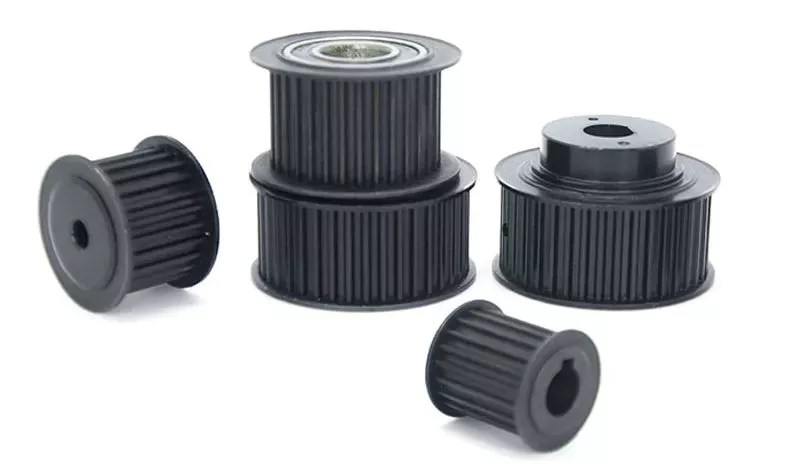
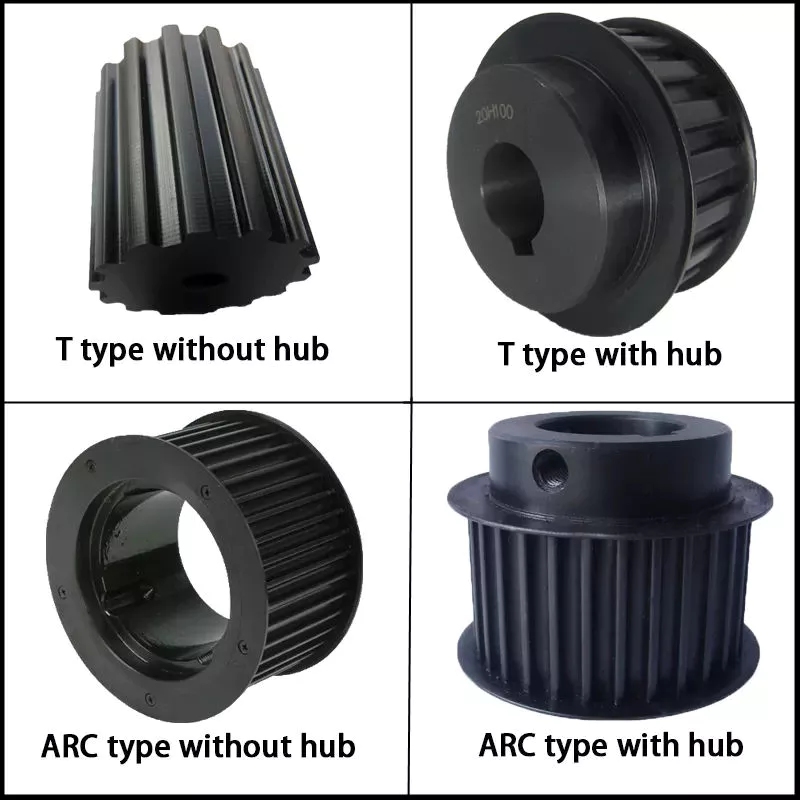
Tag Archives: conveyor pulley

China Crown Pulley and Conical Pulleys Used for Belt Conveyor with Hot selling

Item Description

Double Arrow Conveyor Pulley description:
Conveyor pulley stays at 2 ends of belt device. To push the belt to hand the material and to change the belt running direction. Conveyor pulley is really important areas on Belt Conveyor, it CZPT the belt working. There are varieties of pulley we provided, like driving pulley, bend pulley, coating pulley. Relating to the rubber coating pulleys, there’re vulcanized pulleys and cold adhesive pulleys. The variety of rubber area could be flat, herringbone and rhombic
 
 ADVANTAGE:
1.Huge ability and Width 
two.Substantial velocity running 
3.Normal sapre components, trustworthy working 
four.Sturdy conveyor construction , 
5. Small vibrating and extended lifespan for rollers. 
6. Be effectively dustproof and watertight . 
seven. Higher correct steel pipes guarantee the rollers/idlers managing with lower vibration and considerably less sound. 
 
SUMMARY OF CONVEYOR PULLEY INFORMATION

Kind Belt width(mm) Common diameter(mm) Length(mm)
drive pulley , tail pulley, snub pulley, consider up pulley and many others. 500 500 Size of pulley in accordance to distinct belt width and acknowledge custamized size
650 500~630
800 630~1000
1000 800~1150
1200 800~1150
1400 1000~1350
1600 1150~1600
1800 1150~1800
2000 1350~2000
2200 1600~2200
2400 1800~2400
Materials: steel, SS
Bearing Design: UCP,UCT or other individuals
Bearing Manufacturer: HRB, LYC, ZWZ,SKF, NSK,C&U
Operating Lifestyle: ≥30000 hours
Diameter: D168mm to D219mm
Belt Width: B450mm to B2200mm
Application: recycling sector
power market
parcel transport sector
petro industry
coal mining business
cement concrete sector
machining market
Supply Capability: 50pcs per working day
Certification: ISO9001:2008, BV, SGS

Application:

DOUBLE ARROW CONVEYR System Tasks:
OTHER Info:

Double Arrow obtained the ISO9001: 2008 in2571, and with 10 many years creating and production knowledge . CZPT is excellent conveyor method model in China .

DOUBLE ARROW Function Store

US $10
/ Piece
|
1 Piece

(Min. Order)

###

Certification: ISO, SGS
Pulley Sizes: D160mm to D2000mm Diameter
Manufacturing Process: Lathe Machining
Material: Carbon Steel
Surface Treatment: Holt Vulcanizing
Application: Chemical Industry, Grain Transport, Mining Transport, Power Plant, Port Transport

###

Customization:

###

Type Belt width(mm) Standard diameter(mm) Length(mm)
drive pulley , tail pulley, snub pulley, take up pulley etc. 500 500 Length of pulley according to different belt width and accept custamized size
650 500~630
800 630~1000
1000 800~1150
1200 800~1150
1400 1000~1350
1600 1150~1600
1800 1150~1800
2000 1350~2000
2200 1600~2200
2400 1800~2400
Material: steel, SS
Bearing Model: UCP,UCT or others
Bearing Brand: HRB, LYC, ZWZ,SKF, NSK,C&U
Working Life: ≥30000 hours
Diameter: D168mm to D219mm
Belt Width: B450mm to B2200mm
Application: recycling industry
power industry
parcel transport industry
petro industry
coal mining industry
cement concrete industry
machining industry
Supply Ability: 50pcs per day
Certificate: ISO9001:2008, BV, SGS
US $10
/ Piece
|
1 Piece

(Min. Order)

###

Certification: ISO, SGS
Pulley Sizes: D160mm to D2000mm Diameter
Manufacturing Process: Lathe Machining
Material: Carbon Steel
Surface Treatment: Holt Vulcanizing
Application: Chemical Industry, Grain Transport, Mining Transport, Power Plant, Port Transport

###

Customization:

###

Type Belt width(mm) Standard diameter(mm) Length(mm)
drive pulley , tail pulley, snub pulley, take up pulley etc. 500 500 Length of pulley according to different belt width and accept custamized size
650 500~630
800 630~1000
1000 800~1150
1200 800~1150
1400 1000~1350
1600 1150~1600
1800 1150~1800
2000 1350~2000
2200 1600~2200
2400 1800~2400
Material: steel, SS
Bearing Model: UCP,UCT or others
Bearing Brand: HRB, LYC, ZWZ,SKF, NSK,C&U
Working Life: ≥30000 hours
Diameter: D168mm to D219mm
Belt Width: B450mm to B2200mm
Application: recycling industry
power industry
parcel transport industry
petro industry
coal mining industry
cement concrete industry
machining industry
Supply Ability: 50pcs per day
Certificate: ISO9001:2008, BV, SGS

What Is a Pulley?

The pulley is a wheel mounted on a shaft or axle. Its purpose is to support the movement of a cable that is taut. This cable transfers power to a shaft. However, there are certain safety precautions that you should follow when using a pulley. Read on to learn more! Listed below are common uses and their main parts. Listed below are some of the benefits of using a pulley.
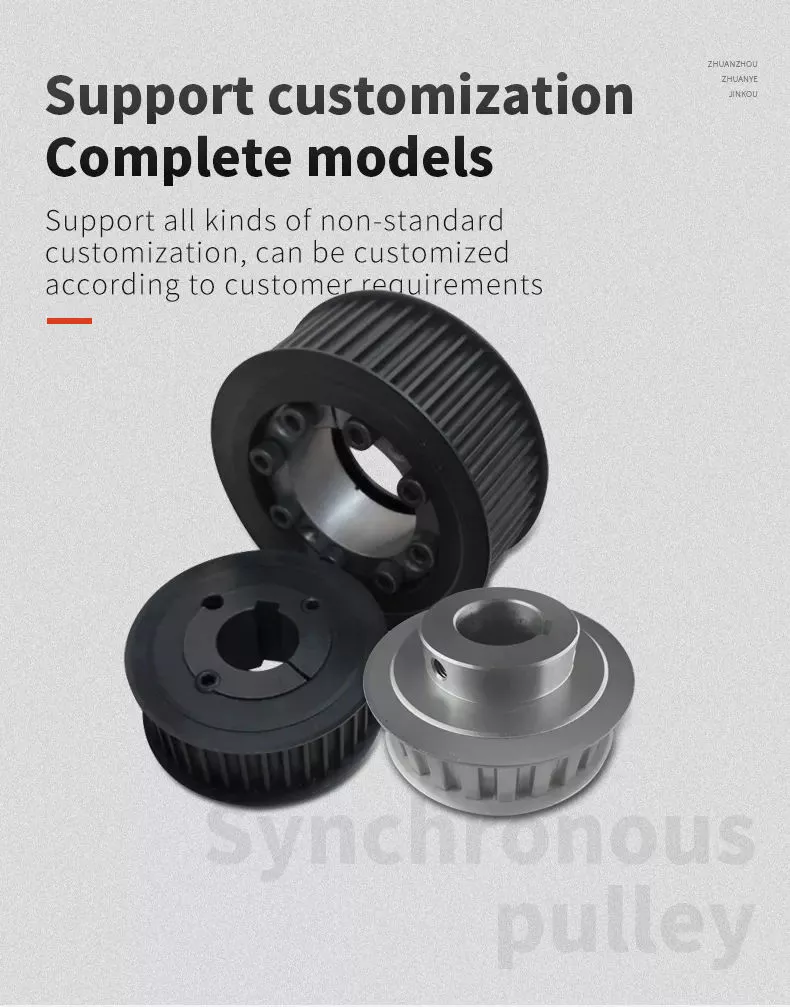
pulley

Common uses of a pulley

A pulley is a common mechanical device used to increase the force needed to lift a heavy object. Most commonly, these devices are used in construction equipment. These machines use high-tension ropes to transfer heavy objects from one floor to another. Other common uses of a pulley include buckets and flagpoles. These devices are extremely useful in a wide range of applications. To learn more about the common uses of pulleys, keep reading.
A pulley is a wheel with grooves for holding rope. Its purpose is to change the direction and point at which a pulling force acts. It is usually used in sets to reduce the amount of force needed to lift a load, but the work involved is similar. Pulleys are also used in rock climbing devices. For many applications, a pulley is a vital part of construction.
The most common use of a pulley involves hoisting and lowering a flag. Other examples include clotheslines, bird feeders, and escalators. Pulleys are also commonly used on oil derricks. Many other common applications include hoisting and lowering garage doors. Pulley systems are also used in engines and cranes. For more information, check out our interactive pulley diagram!
Pulleys can also be used to lower total work required for a task. In many cases, a pulley will consist of two parts: the pulley hub and the shaft pulley. The hub clamps the shaft pulley, while the pulley itself is connected to the motor or other device. If you’re looking for a pulley, it’s important to learn how it works.
The most common uses for a pulley involve lifting heavy objects, and the mechanism used to lift them is known as a pulley. A pulley is an industrial device that uses two wheels to reduce the force needed to lift a weight. The pulley reduces this force by half by allowing the user to pull on the rope four times as far. The pulley also allows for a smaller lifting distance.

Main parts of a pulley

A pulley consists of the main element of a system. This is typically a cable, rope, belt, or chain. There are two basic types of pulleys – a Driver Pulley and a Follower Pulley. Pulleys are available in small and large sizes. The periphery part of the pulley is called the Face, and the protruding middle part is called the Crown. A pulley’s face can be round, rectangular, or even “V” shaped.
The first pulley was created by the Greek mathematician Archimedes in the third century BCE. These simple machines are made of a rope, an axle, and a wheel. The pulley’s end is attached to a person, object, or motor. These machines can be used in various tasks to lift heavy objects. The pulley is a great mechanical advantage for any lifter.
The ideal mechanical advantage of a pulley is defined by the number of rope segments that pull an object. The higher the number of loops on the rope, the higher the mechanical advantage. The greater the mechanical advantage, the less force is required to move the object. Likewise, the greater the distance the rope traverses, the higher the mechanical advantage of a pulley. There are several different types of pulley, depending on their combination of rope, wheel, and rope.
The basic components of a pulley are the face and hub, and the rope is threaded into the center of the pulley. The pulley is usually made of a rope and can be used to lift heavy weights. It can also be used to apply great force in any direction. Step pulleys have multiple faces, which are fixed in sequence. They can also increase the speed of the driven pulley.
A pulley is a simple machine consisting of a wheel, rope, or chain. These parts are crucial for making moving and lifting easier. Because they change the direction and magnitude of force, they can be a useful tool. Some pulleys even change direction. You can learn more about the pulley by downloading this resource today. The resources are designed to support the new 9-1 GCSEs in Design & Technology and Engineering.
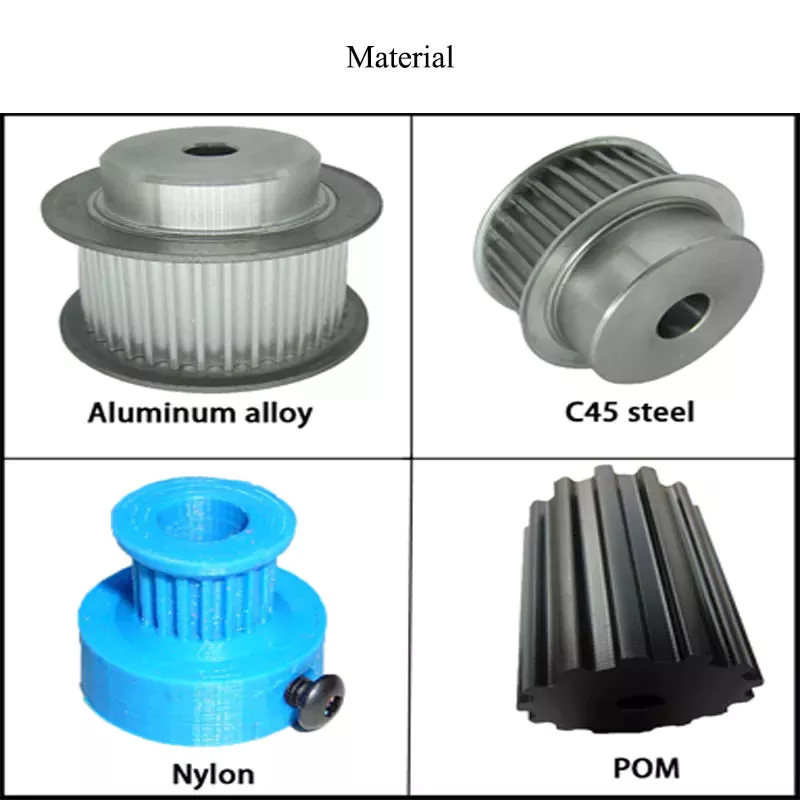
pulley

Mechanical advantage

Pulleys have been used to move heavy objects for centuries. When two rope sections are used, the weight of a 100kg mass can be moved with only 500 newtons of force. Adding an extra pulley increases the mechanical advantage. If the pulley has two wheels, the distance between the rope sections and the wheel grooves is only half the distance, but the mechanical advantage still applies. Adding another pulley increases the mechanical advantage, but can be risky.
Mechanical advantage is the ratio of force used versus force applied. The calculations are made under the assumption that the ropes and weights do not elongate or lose energy due to friction. If the weights are very light, the mechanical advantage is greater than that in the real world. To calculate the mechanical advantage, the weight of the load to be lifted must be the same as the weight of the person using the pulley.
A single moveable pulley has a mechanical advantage of two. The weight passes around the pulley, and one end of the rope is attached to a fixed point. The pulling force is then applied to the other end of the rope. The distance the weight travels doubles, or halved, depending on the direction of the pulley. Adding a second pulley reduces the distance and the effort required to lift it.
There are several ways to calculate the mechanical advantage of a pulley system. Some methods are specific to certain types of systems, while others work for all systems. The T-Method is a good choice in many applications, as it calculates the units of tension for each rope segment. Once you have determined the input force, you need to determine the maximum force that will be applied to each component. A compound pulley, for example, will require 4 units of tension for each rope segment.
In simple terms, the effort is the amount of force needed to lift the load. This force is measured in newtons (N). A mechanical advantage is often presented without units. If the student does not have this unit, you may need to convert the units to newtons, since one kilogram is equal to 10 newtons. If you can’t figure out the units of effort, you can use the KWL chart provided by the teacher.
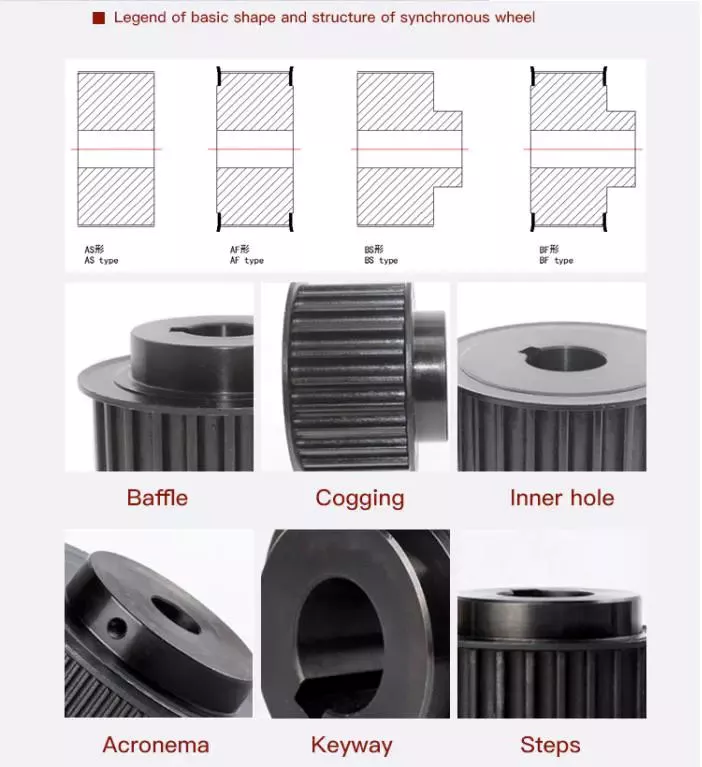
pulley

Safety precautions

There are a few safety precautions you should take when using a pulley. First, always check the SWL (safe working load) before attaching anything to the pulley. This indicates the maximum weight and angle the pulley can safely handle. Second, make sure that your work area is free from people and debris. Third, wear a hard hat to protect your head from blows and falling objects.
Another important consideration is anchoring. Although the pulley reduces the weight of an object, it is not enough to eliminate the weight. This is especially true if you are hoisting a heavy object, such as a motorcycle or lawnmower. It is important to ensure that the anchoring point can support the entire weight of the load. It is also important to follow proper anchoring procedures when using a pulley to lift a motorcycle or lawnmower.
In addition to the safety latch, you should use a tag line to control the suspended load. Remember that a chain pulley block is necessary for vertical lifting. You should also wear personal protective equipment (PPE) while using a pulley to avoid injuries. If your workplace does not have an PPE policy, you should consider implementing a similar policy. These safety guidelines are a good start.
If you are using a pulley to lift heavy objects, make sure to wear gloves. Those who are not familiar with rope-pulling will have an easier time demonstrating how it works. If you are using a rope-pulley system in a classroom, be sure to follow lab safety guidelines. Wear cloth gloves, clear the area, and do not jerk the rope. In addition, never allow yourself to be pulled into the rope by an unfamiliar person.
Another important safety precaution when using a pulley is to ensure that the anchor point for your system is adequate to support the weight of the object being lifted. Check with the manufacturer of the pulley to find out what its weight limit is, as some types of pulleys are designed to lift much heavier weights than others. It is important to follow all manufacturer’s instructions when using a pulley.


China Crown Pulley and Conical Pulleys Used for Belt Conveyor     with Hot selling	China Crown Pulley and Conical Pulleys Used for Belt Conveyor     with Hot selling
editor by czh 2023-01-08
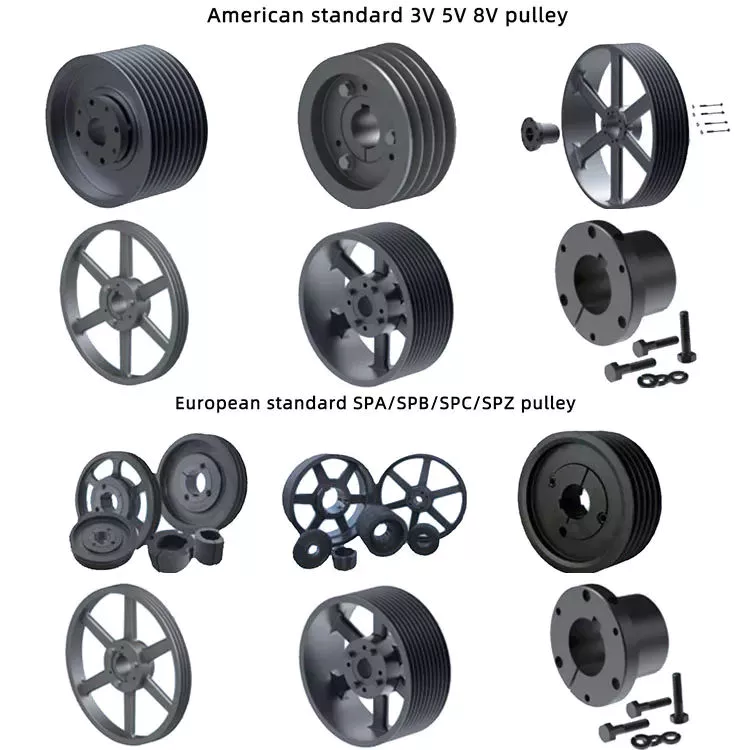
China OEM High Precision Conveyor Pulley Diameter 219-3000mm for Belt Conveyor pulley band

Merchandise Description

OEM Large Precision Conveyor Pulley diameter 219-3  

US $300
/ Piece
|
1 Piece

(Min. Order)

###

Material: Carbon Steel
Surface Treatment: Rubber Lagging
Motor Type: Without Motor
Installation: with Reducer
Pulley Length: 500-5000mm
Pulley Diameter: 219mm-3000mm

###

Customization:

###

Application recycling industry
power industry
parcel transport industry
petro industry
coal mining industry
cement concrete industry
machining industry
Pipe/Tube/Shell 1)Material:Q235 Steel
2)Diameter:219mm-3000mm
3)Length:500mm-5000mm,depends on the belt width of the conveyor
Shaft/Axis Material:#45 Steel
Bearing Big roving crack, deep groove ball with double sealing
Welding Pipe and bearing housing with automatic welding
Surface Smooth steel color surface,  rubber lagging surface
Color Red,green,blue or as require
Working life ≥30000 hours
Standard GB,ISO,DIN,CEMA,JIS
Special can be customized according to customer or design for customer
Supply Ability 50 pcs per day
Certificate ISO9001:2008, BV, SGS

###

Conveyor Pulley  Test  
1. All butt welds shall be full Penetration
2. All welds to be full seal welds to prevent rust
3. Shell seam welds are submerged arc (SAW)
4. Includes stress relieving of shell prior to machining
5. Ultrasonic testing of all shafts
6. Drillings for Temperature probe / vibration analysis device
7. Remove all butts and sharp edges
Conveyor Pulley Shaft Selection  
The major cause of conveyor pulley failure is excessive shaft deflection. The Conveyor Pulleys – Beijing HSCD Engineering department can perform Stress Analysis and Finite Element Analysis to maximize your conveyor pulley performance. 
 
Conveyor Pulley Shell Material  
Q345B Carbon Steel
GR350 Carbon Steel
ANSI 4140 Alloy Steel
ASTM A514B Stainless Steel
Bearing House   SKF/NSK/ /HRB/LYC, as customer request. 
Conveyor Pulley Lagging  
Plain rubber lagging, Herringbone and Diamond grooves are all available 
. Hot Vulcanised Durometer 
. Hardness 50-55-65 Shore A, M Grade
. Oil Resistant, Heat Resistant FRAS
Comprising  
•Drive pulley, Head pulley and Tail Pulleys
•Take-Up Pulleys,
•Snub pulley & Bend Pulleys
•Self Cleaning Spiral Wing pulley & Drum Pulleys
Significant advantages  
• The thick pulley shell absorbs more stress.
• The large crown angle provides superior belt tracking capabilities.
• True concentric machining provides:
• maximum contact with the belt,
• consistent belt content discharge,
• less deflection of shaft,
• less stress on the bearings
Available
Conveyor Pulley Designs
 
•Liveshaft or Deadshaft types.
•Flat or crowned shell.
•Taconite, labyrinth or speciality seals.
•Oil or grease lubricated.
•Self centering or low pressure lock element designs.
OEM High Precision Conveyor Pulley Diameter 219-3000mm for Belt Conveyor
US $300
/ Piece
|
1 Piece

(Min. Order)

###

Material: Carbon Steel
Surface Treatment: Rubber Lagging
Motor Type: Without Motor
Installation: with Reducer
Pulley Length: 500-5000mm
Pulley Diameter: 219mm-3000mm

###

Customization:

###

Application recycling industry
power industry
parcel transport industry
petro industry
coal mining industry
cement concrete industry
machining industry
Pipe/Tube/Shell 1)Material:Q235 Steel
2)Diameter:219mm-3000mm
3)Length:500mm-5000mm,depends on the belt width of the conveyor
Shaft/Axis Material:#45 Steel
Bearing Big roving crack, deep groove ball with double sealing
Welding Pipe and bearing housing with automatic welding
Surface Smooth steel color surface,  rubber lagging surface
Color Red,green,blue or as require
Working life ≥30000 hours
Standard GB,ISO,DIN,CEMA,JIS
Special can be customized according to customer or design for customer
Supply Ability 50 pcs per day
Certificate ISO9001:2008, BV, SGS

###

Conveyor Pulley  Test  
1. All butt welds shall be full Penetration
2. All welds to be full seal welds to prevent rust
3. Shell seam welds are submerged arc (SAW)
4. Includes stress relieving of shell prior to machining
5. Ultrasonic testing of all shafts
6. Drillings for Temperature probe / vibration analysis device
7. Remove all butts and sharp edges
Conveyor Pulley Shaft Selection  
The major cause of conveyor pulley failure is excessive shaft deflection. The Conveyor Pulleys – Beijing HSCD Engineering department can perform Stress Analysis and Finite Element Analysis to maximize your conveyor pulley performance. 
 
Conveyor Pulley Shell Material  
Q345B Carbon Steel
GR350 Carbon Steel
ANSI 4140 Alloy Steel
ASTM A514B Stainless Steel
Bearing House   SKF/NSK/ /HRB/LYC, as customer request. 
Conveyor Pulley Lagging  
Plain rubber lagging, Herringbone and Diamond grooves are all available 
. Hot Vulcanised Durometer 
. Hardness 50-55-65 Shore A, M Grade
. Oil Resistant, Heat Resistant FRAS
Comprising  
•Drive pulley, Head pulley and Tail Pulleys
•Take-Up Pulleys,
•Snub pulley & Bend Pulleys
•Self Cleaning Spiral Wing pulley & Drum Pulleys
Significant advantages  
• The thick pulley shell absorbs more stress.
• The large crown angle provides superior belt tracking capabilities.
• True concentric machining provides:
• maximum contact with the belt,
• consistent belt content discharge,
• less deflection of shaft,
• less stress on the bearings
Available
Conveyor Pulley Designs
 
•Liveshaft or Deadshaft types.
•Flat or crowned shell.
•Taconite, labyrinth or speciality seals.
•Oil or grease lubricated.
•Self centering or low pressure lock element designs.
OEM High Precision Conveyor Pulley Diameter 219-3000mm for Belt Conveyor

How to Assemble a Pulley System

A pulley is a wheel that rotates on a shaft or shaft to support the movement of a taut cable. Pulleys allow power to be transmitted from the shaft to the cable.
pulley

Simple pulley

The simplest theory of operation of a pulley system assumes that the rope and weight are weightless and that the rope and pulley are not stretched. Since the force on the pulley is the same, the force on the pulley shaft must also be zero. Therefore, the force exerted on the pulley shaft is also distributed evenly between the two wires passing through the pulley. The force distribution is shown in Figure 1.
The use of simple pulleys is as old as history. Before the Industrial Revolution, people relied on muscle strength to carry heavy loads. Pulleys, levers and ramps make this possible. Today, we can see pulleys in a variety of systems, from exercise equipment to garage doors, and even rock climbers use them to help them reach greater heights. As you can see, these simple machines have been around for centuries and are used in everyday life.
Another simple pulley system is the pulley system. In this system, there is a fixed pulley at the top and a movable pulley at the bottom. The two pulleys are connected by a rope. This combination reduces the amount of work required to lift the load. Additionally, the ropes used in this system are usually made of rope and woven through the individual wheels of the pulley drum.
A pulley is an ingenious device that distributes weight evenly and can be used to lift heavy objects. It is easy to build and can be easily modified for a wide range of activities. Even young children can make their own with very few materials. You can also use simple household items such as washing machines, thin textbooks and even chopsticks. It’s very useful and can be a great addition to your child’s science and engineering activities.
The simplest pulley system is movable. The axis of the movable pulley can move freely in space. The load is attached to one end of the pulley and the other end to the stationary object. By applying force on the other end of the rope, the load is lifted. The force at the other end of the rope is equal to the force at the free end of the pulley.
Another form of pulley is the compound pulley. Compound pulleys use two or more wheels to transmit force. Compound pulleys have two or more wheels and can lift heavier objects. Dim is POLE2.
pulley

tapered pulley

It is important to clean and align the bolt holes before assembling the tapered pulley. The screws should be lubricated and the threads cleaned before installation. To install the pulley, insert it into the shaft keyway. The keyway should be aligned with the shaft hole to prevent foreign matter from entering the pulley. Then, alternately tighten the bolts until the pulley is tightened to the desired torque.
A tapered pulley is a basic structure. The pulley belt is arranged across four steps. Installed between the headstock casting and the main shaft, it is often used in the paper industry. It integrates with printing machinery and supports assembly lines. These pulleys are also available in metric range options, eliminating the need for ke-waying or re-drilling. They are easy to install, and users can even customize them to suit their needs.
CZPT Private Limited is a company that provides unique products for various industries. This large product is used for many different purposes. Also, it is manufactured for industrial use. The company’s website provides detailed specifications for the product. If you need a tapered pulley, contact a company in your area today to purchase a quality product!
Tapered pulleys are vital to paper mill machinery. Its special design and construction enable it to transmit power from the engine source to the drive components. The advantages of this pulley include low maintenance costs and high mechanical strength. Cone wheel diameters range from 10 inches to 74 inches. These pulleys are commonly used in paper mills as they offer low maintenance, high mechanical strength and low wear.
A tapered sleeve connects the pulley to the shaft and forms an interference fit connector. The taper sleeve is fixed on the shaft with a key, and the corresponding inner hole is fixed on the shaft with a key. These features transmit torque and force to the pulley through friction. This allows the tapered pulley to move in a circular motion. The torque transfer characteristics of this pulley are most effective in high speed applications.
The sleeve is the most important part when assembling the tapered pulley. There is an 8-degree taper inside the cone, which is closely connected to the inner surface of the pulley. Taper sleeves and pulleys are interchangeable. However, tapered pulleys can be damaged after prolonged use.
pulley

pulley pulley system

A pulley pulley system is a great way to move heavy objects. These systems have been around for centuries, dating back to the ancient Greeks. This simple mechanism enables a person to lift heavy objects. These blocks are usually made of rope, and the number of turns varies for different types of rope. Some blocks have more cords than others, which creates friction and interferes with the easy movement of the lifting system.
When using a pulley pulley, the first thing to decide is which direction to pull. Unfavorable rigging means pulling in the opposite direction. In theory, this method is less efficient, but sometimes requires a certain amount of work space. The benefit is that you will increase the mechanical advantage of the pulley by pulling in the opposite direction. So the interception and tackle system will give you more of a mechanical advantage.
Pulley pulleys are an excellent choice for lifting heavy objects. The system is simple to install and users can easily lift objects without extensive training. Figure 3.40 shows a pulley in action. In this photo, the person on the left is pulling a rope and tying the end of the rope to a weight. When the rope is attached to the load, the rope will be pulled over the pulley and pulley.
The blocks on the blocks are attached to the ends of the rope. This creates unique lifting advantages compared to single-line systems. In Figure 3, the tension of each thread is equal to one-third of the unit weight. When the rope is pulled over the pulley, the force is divided equally between the two wires. The other pulley reverses the direction of the force, but that doesn’t add any advantage.
Use pulleys to reduce traction and load. The weight of the load has not changed, but the length of the rope has increased. Using this method, lifting the load by pulling the rope four times reduces the force required to lift one foot. Likewise, if the pulley system had four pulleys instead of three, the length of the rope would be tripled.
The system can transmit loads in any direction. Rope length is determined by multiplying the distance from the fixed block to the load by the mechanical advantage. If the mechanical advantage is 3:1, then passing the rope through the pulley 3 times will produce the required traction distance. Also, the length of the rope will depend on the mechanical advantage, so if the load is three times the length of the rope, it will be more than three times the required length.

China OEM High Precision Conveyor Pulley Diameter 219-3000mm for Belt Conveyor     pulley band	China OEM High Precision Conveyor Pulley Diameter 219-3000mm for Belt Conveyor     pulley band
editor by czh 2022-12-28

China Industrial Mining Belt Conveyor Use Head Reducer Drum Pulley Long Lifetime pulley belt

Item Description

 HangZhou Port Shipbuilding & Machinery Sector Co.,ltd, a wholly owned subsidiary of ZheJiang Port Gear Group ,is a massive complete condition-owned company combining industrial items research and manufacture, metal construction and products generating, common contracting support for industrial method integration and ships & tools constructing and maintenance.


As a member of the Standardization Administration of China/Specialized Committee (SAC/TC331) , the business owns the production qualification for transportation equipment, Grade-I Course III Manufacturing Qualification of steel common ships, Quality-I Manufacturing Qualification of steel fishing vessels Grade-I Professional Contracting Qualification of metal composition, and varieties of Professional contracting skills for electrical and mechanical gear set up, corrosion security and insulation engineering, basis, and so on. The firm also occupies Course B Style Qualification of steel fishery vessels and the Style & Development Qualification of maritime fishery platforms registered with the Ministry of Agriculture. The primary business scope of RPIC addresses ports, maritime tools, mining, electrical energy cement, metallurgy paper generating and other various industries.

Merchandise Introduction

   The drum is the main component that transmits electricity. It is divided into 3 types according to their load-carrying capability: light, medium and heavy.

 Light: Bearing aperture eighty-100mm, the shaft and hub are single-width plate welded cylinder construction linked by solitary key.
 Medium: Bearing aperture a hundred and twenty-180mm, the shaft and hub are expansion sleeve link.

 Heavy: Bearing aperture two hundred-220mm, the shaft and hub are growth sleeve link, and the drum body is forged-welded composition.

Item Description

    Conveyor pulley stays at 2 finishes of belt equipment. The pulley can be divided into 2 types: Driving pulley and averting pulley, driving pulley is the principal element for transmitting the electricity and there are 2 varieties of pulley sets: Easy surface and rubber surface area, and rubber surface can be labeled into sleek rubber floor, herringbone rubber area and CZPT rubber surface to fulfill different technological demands. Averting pulley can be classified into smooth rubber area and clean metal surface area.


Principal Gear & Facilitys


Project Efficiency

Packaging & Transport


                                       Our EPC Conveying Program Project

                                               Customer Go to & Exhibition

                                                 
                                                Company Certification

FAQ

  Q1:Can you ship samples?

A:Of course, we can supply buyers with free of charge samples but client must pay the courier payment.

Q2:What item details do I want to offer?

A:Make sure you kindly offer the grade, width, thickness, surface area treatment need  and quantities you require to buy.

Q3:What is your terms of payment ?

A: 30% T/T in advance ,stability just before cargo or 100% LC at sight.

This fall.Do you provide consumer produced Merchandise services?

A: Indeed,if you have your personal design and style , we can create in accordance to your specification and drawing.

Q5:How extended does your delivery time consider?

A:In general, our shipping and delivery time is in 7-fifteen times, and may be more time if the amount is really big or unique situations arise.

Q6: How a lot of international locations you presently exported to?

A:We have exported to The united states, Canada, Brazil, Chile, Colombia, Thailand, Myanmar, Vietnam,  and other African nations.Our export expertise is rich, we acquainted with different market needs, can support customers avoid a great deal of problems.

Q7:Can I go to your factory to visit?

A:Of system, we welcome consumers from all over the entire world to visit our manufacturing facility.

Q8:Does the merchandise have high quality inspection before loading?

A:Of system, all our merchandise are strictly tested for quality just before packaging,  customers can appoint third functions to examine the products just before loading way too.

Q9:How to pack the goods?

A: Standard export sea-deserving packaging, the interior layer has a water-proof paper outer layer with iron packaging and is fastened with a fumigation wooden pallet. It can properly shield products from corrosion and different weather modifications throughout CZPT transportation.

Q10:What is your doing work time?

A:In common, our on the web provider time is ZheJiang time: 8:00-22:00, soon after 22:00, we will reply to your inquiry in the coming doing work day.


US $150-300
/ Piece
|
1 Piece

(Min. Order)

###

Material: Carbon Steel
Surface Treatment: Polishing
Motor Type: Frequency Control Motor
Installation: Turning
Place of Origin: Shandong, China (Mainland)
Brand Name: SPD

###

Customization:
US $150-300
/ Piece
|
1 Piece

(Min. Order)

###

Material: Carbon Steel
Surface Treatment: Polishing
Motor Type: Frequency Control Motor
Installation: Turning
Place of Origin: Shandong, China (Mainland)
Brand Name: SPD

###

Customization:

How to use the pulley system

Using a pulley system is a great way to move things around your home, but how do you use a pulley system? Let’s look at the basic equations that describe a pulley system, the types of pulleys, and some safety considerations when using pulleys. Here are some examples. Don’t worry, you’ll find all the information you need in one place!
pulley

Basic equations of pulley systems

The pulley system consists of pulleys and chords. When the weight of the load is pulled through the rope, it slides through the groove and ends up on the other side. When the weight moves, the applied force must travel nx distance. The distance is in meters. If there are four pulleys, the distance the rope will travel will be 2×24. If there are n pulleys, the distance traveled by the weight will be 2n – 1.
The mechanical advantage of the pulley system increases with distance. The greater the distance over which the force is applied, the greater the leverage of the system. For example, if a set of pulleys is used to lift the load, one should be attached to the load and the other to the stand. The load itself does not move. Therefore, the distance between the blocks must be shortened, and the length of the line circulating between the pulleys must be shortened.
Another way to think about the acceleration of a pulley system is to think of ropes and ropes as massless and frictionless. Assuming the rope and pulley are massless, they should have the same magnitude and direction of motion. However, in this case the quality of the string is a variable that is not overdone. Therefore, the tension vector on the block is labeled with the same variable name as the pulley.
The calculation of the pulley system is relatively simple. Five mechanical advantages of the pulley system can be found. This is because the number of ropes supporting the load is equal to the force exerted on the ropes. When the ropes all move in the same direction, they have two mechanical advantages. Alternatively, you can use a combination of movable and fixed pulleys to reduce the force.
When calculating forces in a pulley system, you can use Newton’s laws of motion. Newton’s second law deals with acceleration and force. The fourth law tells us that tension and gravity are in equilibrium. This is useful if you need to lift heavy objects. The laws of motion help with calculations and can help you better understand pulley systems.
pulley

Types of pulleys

Different types of pulleys are commonly used for various purposes, including lifting. Some pulleys are flexible, which means they can move freely around a central axis and can change the direction of force. Some are fixed, such as hinges, and are usually used for heavier loads. Others are movable, such as coiled ropes. Whatever the purpose, pulleys are very useful in raising and lowering objects.
Pulleys are common in many different applications, from elevators and cargo lift systems to lights and curtains. They are also used in sewing machine motors and sliding doors. Garage and patio doors are often equipped with pulleys. Rock climbers use a pulley system to climb rocks safely. These pulley systems have different types of pinions that allow them to balance weight and force direction.
The most common type of pulley is the pulley pulley system. The pulley system utilizes mechanical advantages to lift weight. Archimedes is thought to have discovered the pulley around 250 BC. in ancient Sicily. Mesopotamians also used pulleys, they used ropes to lift water and windmills. Pulley systems can even be found at Stonehenge.
Another type of pulley is called a compound pulley. It consists of a set of parallel pulleys that increase the force required to move large objects. This type is most commonly used in rock climbing and sailing, while composite pulleys can also be found in theater curtains. If you’re wondering the difference between these two types of pulleys, here’s a quick overview:

Mechanical Advantages of Pulley Systems

Pulley systems offer significant mechanical advantages. The ability of the system to reduce the effort required to lift weights increases with the number of rope loops. This advantage is proportional to the number of loops in the system. If the rope had only one loop, then a single weight would require the same amount of force to pull. But by adding extra cycles, the force required will be reduced.
The pulley system has the advantage of changing the direction of the force. This makes it easier to move heavy objects. They come in both fixed and mobile. Pulleys are used in many engineering applications because they can be combined with other mechanisms. If you want to know what a pulley can do, read on! Here are some examples. Therefore, you will understand how they are used in engineering.
Single-acting pulleys do not change direction, but compound pulleys do. Their mechanical advantage is six. The compound pulley system consists of a movable pulley and a fixed pulley. The mechanical advantage of the pulley system increases as the number of movable wheels decreases. So if you have two wheels, you need twice as much force to lift the same weight because you need a movable pulley.
The mechanical advantage of a pulley system can be maximized by adding more pulleys or rope lengths. For example, if you have a single pulley system, the mechanical advantage is one of the smallest. By using two or three pulleys, up to five times the mechanical advantage can be achieved. You can also gain up to ten times the mechanical advantage by using multiple pulley systems.
The use of a single movable pulley system also adds to the mechanical advantage of the pulley system. In this case, you don’t have to change the direction of the force to lift the weight. In contrast, a movable pulley system requires you to move the rope farther to generate the same force. Using a compound pulley system allows you to lift heavy loads with ease.
pulley

Safety Issues When Using Pulley Systems

Pulleys have an incredibly unique structure, consisting of a disc with a groove in the middle and a shaft running through it. A rope or cord is attached to one end of a pulley that turns when force is applied. The other end of the rope is attached to the load. This mechanical advantage means that it is much easier to pull an object using the pulley system than to lift the same object by hand.
Although pulley systems are a common part of many manufacturing processes, some employers do not train their workers to use them properly or install protection to prevent injury. It is important to wear proper PPE and follow standard laboratory safety practices during pulley system activities. Make sure any support structures are strong enough to handle the weight and weight of the rope or rope. If you do fall, be sure to contact your employer immediately.

China Industrial Mining Belt Conveyor Use Head Reducer Drum Pulley Long Lifetime     pulley belt	China Industrial Mining Belt Conveyor Use Head Reducer Drum Pulley Long Lifetime     pulley belt
editor by czh 2022-12-27

China Rubber Lagging Conveyor Drum Pulley idler pulley

Item Description

Head Drive Pulley, Return Pulley,Bend Pulley, Snub Pulley,Tensioning Pulley, Take up Pulley can be provided. We are developing and manufacturing pulleys, utilizing components of the optimum good quality in a production process employing innovative engineering. This together with the application of the Quality Assurance program certifi ed to ISO 9001:2015, contributes to the production of higher quality items offering dependable, extended life efficiency in the field and appreciably reducing maintenance cost. Every single our conveyor pulley is individually laptop created to meet the client’s specifications.

Item Identify

Belt Conveyor Pulley Drum

Kind

Drive Pulley, Bend Pulley,Snub Pulley,Consider Up Pulley

Length

200mm-2500mm

Resources

Carbon metal, Stainless steel, Rubber

Surface Treatment

Clean, CZPT grooved lagging, Herringbone lagging, Ceramic lagging

Welding

Submerged Arc Welding

Bearing

Popular makes

Structure

Tube,shaft,self-aligning bearing,bearing seat/home,hub, locking bushing,end disc

Drive Pulley Introduction:

one. Head/Push Pulley is situated at the discharge terminus of the conveyor. 
two. Push pulley supplies the driving pressure for the conveyor. In get to increase pulley life and traction, it often has a bigger diameter than other pulleys.
three. We can supply pulleys with scorching vulcanized rubber lagging, basic or grooved, as essential by customer. Diverse patterns of grooving such as herringbone or CZPT can be supplied to improve tractive friction underneath soiled or damp circumstances. CZPT grooves have the advantage of becoming mounted in any orientation, regardless of belt route.

Specification of Generate Head Pulley Drum

Belt Width 500-2800mm (19-one hundred ten inch)
Pulley Size 500-3500mm (19-138 inch)
Diameter two hundred-1800mm (8-70 inch)
Regular ISO9001:2008, CEMA, DIN, TUV, JIS, AS/NS, and so on.
Working Lifestyle Far more than 30,000 several hours.
Surface Flat Rubber Lagged, Ceramic Lagged, CZPT Rubber Lagged, and so forth.
Primary Materials Carbon Metal
Length of conveyor drive pulley is dependent on the width of conveyor Belt. You can get push pulleys with hot & chilly vulcanized rubber lagging, plain or grooved, as essential by customer.

Bend Pulley Introduction:

one. The bend pulley  is utilised for altering the course of the belt.
2. The bend pulley is usually set up at the tail portion or the vertical just take-up products component when the belt path require to 180°bending. It will be set up earlier mentioned the just take-up products element even though 90°bending.
three. The pulley, which is utilized for extending the make contact with surface area, is generally utilised for under or equivalent to forty five degree bending.
4. The floor therapy of the bend pulley can be clean metal and flat rubber lagging. 

Specification of Bend Pulley:

Belt Width five hundred-2800mm(19-110 inch)
Pulley Size five hundred-3200mm(19-126 inch)
Diameter two hundred-1800mm(8-70 inch)
Standard ISO9001:2008, CEMA, DIN, TUV, and so forth.
Doing work Daily life Much more than thirty,000 several hours.
Surface area Flat Rubber Lagged, Ceramic Lagged, CZPT Rubber Lagged, and so on.
Primary Materials Carbon Steel
Length of conveyor bend pulley relies upon on the width of conveyor Belt. You can get drive pulleys with sizzling vulcanized rubber lagging, simple or grooved, as essential by customer.

Snub Pulley
Snub pulley is employed to obtain higher angle of wrap on the drive pulley therefore escalating the traction. It also minimizes the belt rigidity maximizing the existence of the conveyor component.It is mounted close to the push pulley on the return aspect of the belt.

Specification of Snub Pulley:

Objects Articles
Belt Width five hundred-2800mm (19-110 inch)
Pulley Duration five hundred-3200mm (19-126 inch)
Diameter 200-1800mm (8-70 inch)
Regular ISO9001:2008, CEMA, DIN, TUV, and many others.
Working Life Much more than 30,000 several hours.
Floor Flat Rubber Lagged, Ceramic Lagged, CZPT Rubber Lagged, and so on.
Main Content Carbon Steel
Length of conveyor Snubpulley depends on the width of conveyor Belt. You can get Snubpulleys with hot vulcanized rubber lagging, plain or grooved, as needed by customer.

Take Up Pulley 
The take up pulley will guarantee satisfactory pressure of the belt leaving the generate pulley so as to steer clear of any slippage of the belt, make sure appropriate belt tension at the loading and other factors along the conveyor, compensate for adjustments in belt length due to elongation, and supply added duration of belt when required for splicing purpose.

Specification of just take up pulley drum:

Belt Width 500-2800mm(19-110 inch)
Pulley Size five hundred-3200mm(19-126 inch)
Diameter two hundred-1800mm(8-70 inch)
Normal ISO9001:2008, CEMA, DIN, TUV, and so forth.
Functioning Daily life More than 30,000 several hours.
Floor Flat Rubber Lagged, Ceramic Lagged, CZPT Rubber Lagged, and so forth.
Major Materials Carbon Metal

The parts of a pulley drum consist of the pursuing:

Drum or Shell The drum is the portion of the pulley in immediate speak to with the belt. The shell is fabricated from possibly a rolled sheet of steel or from hollow steel tubing.The shell has a certain ‘face’ width and diameter which is established by the width of the belting and the type and ranking of the belt to be utilised on the conveyor.
Diaphragm Plates The diaphragm or end plates of a pulley are circular discs which are fabricated from thick steel plate and which are welded into the shell at each and every finish, to improve the drum.The stop plates are bored in their centre to accommodate the pulley shaft and the hubs for the pulley locking components.
Shaft The shaft is made to accommodate all the used forces from the belt and / or the generate unit, with least deflection.The shaft is positioned and locked to the hubs of the stop discs by implies of a locking aspects.
The shaft is supported on the two finishes by bearings which are housed in plummer blocks, to assistance the shaft and pulley assembly on the conveyor composition.
Shafts typically comprise different diameters alongside their size because of to the bending moments and resultant deflection limitations. The diameter of the shaft at the landings for the bearings may be more compact to satisfy the necessary bearing diameter which is much more cost-successful (more compact).
Equally in the scenario of a generate shaft, the push attachment, might be different to the other diameters alongside the shaft and therefore pulley shafts are usually stepped.
Locking Components These are higher-precision produced objects which are equipped over the shaft and into the pulley hubs. The locking components connect the pulley firmly to the shaft by means of the finish plates.Locking factors perform on the friction-grip principle whereby the factor is CZPT to be fixed to the shaft and hub simultaneously and concentrically, by tightening a collection of screws close to the locking factor.
Hubs The hubs are fabricated and machined housings which are welded into the conclude plates. The hubs are sized in accordance to the dimensions of the pulley, the diameter of the shaft and the measurement of the locking element which is necessary for the specific responsibility.
Lagging It is sometimes essential or desirable to boost the friction in between the conveyor belt and the pulley in order to increase the torque that can be transmitted by means of a generate pulley.Enhanced traction in excess of a pulley also assists with the instruction of the belt.
In these kinds of instances pulley drum surfaces are ‘lagged’ or lined in a rubberized substance. This protect is typically 8 mm to 12 mm thick and can be simple or have a grooved pattern. The rubber lagging is vulcanized to the pulley shell to ensure that it continues to be connected beneath adverse working problems.
Bearing Assemblies Bearings help the rotating shaft and consequently the pulley. The bearings are housed in ‘plummer blocks’ which empower the mass of the pulley assembly in addition the belt tension forces to be transmitted to the pulley supporting composition.Plummer blocks are frequently bolted to ‘sole plates’ which are welded to the composition.
The sole plates incorporate jacking screws to allow the pulley to be properly and fairly easily aligned.

A number of kinds of bearing housing, seals and end disc:

Pulley Drum Warehouse and package deal:

Pulley Drums:

Our Goods: Belt Conveyors, Pulley Drum, Conveyor Rollers Idler,  etc.

Material: Stainless Steel
Surface Treatment: Polishing
Motor Type: Frequency Control Motor
Installation: Horizontal
Carrying Type: Light, Medium, Heavy
Light Connection Mode: The Shaft and Hub Are Single-Width Plate Welded Cy

###

Samples:
US$ 200/Piece
1 Piece(Min.Order)

|
Request Sample

###

Customization:

###

Product Name
Belt Conveyor Pulley Drum
Type
Drive Pulley, Bend Pulley,Snub Pulley,Take Up Pulley
Length
200mm-2500mm
Materials
Carbon steel, Stainless steel, Rubber
Surface Treatment
Smooth, Diamond grooved lagging, Herringbone lagging, Ceramic lagging
Welding
Submerged Arc Welding
Bearing
Famous brands
Structure
Tube,shaft,self-aligning bearing,bearing seat/house,hub, locking bushing,end disc

###

Belt Width 500-2800mm (19-110 inch)
Pulley Length 500-3500mm (19-138 inch)
Diameter 200-1800mm (8-70 inch)
Standard ISO9001:2008, CEMA, DIN, TUV, JIS, AS/NS, etc.
Working Life More than 30,000 hours.
Surface Flat Rubber Lagged, Ceramic Lagged, Diamond Rubber Lagged, etc.
Main Material Carbon Steel
Length of conveyor drive pulley depends on the width of conveyor Belt. You can get drive pulleys with hot & cold vulcanized rubber lagging, plain or grooved, as required by client.

###

Belt Width 500-2800mm(19-110 inch)
Pulley Length 500-3200mm(19-126 inch)
Diameter 200-1800mm(8-70 inch)
Standard ISO9001:2008, CEMA, DIN, TUV, etc.
Working Life More than 30,000 hours.
Surface Flat Rubber Lagged, Ceramic Lagged, Diamond Rubber Lagged, etc.
Main Material Carbon Steel
Length of conveyor bend pulley depends on the width of conveyor Belt. You can get drive pulleys with hot vulcanized rubber lagging, plain or grooved, as required by client.

###

Items Content
Belt Width 500-2800mm (19-110 inch)
Pulley Length 500-3200mm (19-126 inch)
Diameter 200-1800mm (8-70 inch)
Standard ISO9001:2008, CEMA, DIN, TUV, etc.
Working Life More than 30,000 hours.
Surface Flat Rubber Lagged, Ceramic Lagged, Diamond Rubber Lagged, etc.
Main Material Carbon Steel
Length of conveyor Snubpulley depends on the width of conveyor Belt. You can get Snubpulleys with hot vulcanized rubber lagging, plain or grooved, as required by client.

###

Belt Width 500-2800mm(19-110 inch)
Pulley Length 500-3200mm(19-126 inch)
Diameter 200-1800mm(8-70 inch)
Standard ISO9001:2008, CEMA, DIN, TUV, etc.
Working Life More than 30,000 hours.
Surface Flat Rubber Lagged, Ceramic Lagged, Diamond Rubber Lagged, etc.
Main Material Carbon Steel

###

Drum or Shell The drum is the portion of the pulley in direct contact with the belt. The shell is fabricated from either a rolled sheet of steel or from hollow steel tubing.The shell has a specific ‘face’ width and diameter which is determined by the width of the belting and the type and rating of the belt to be used on the conveyor.
Diaphragm Plates The diaphragm or end plates of a pulley are circular discs which are fabricated from thick steel plate and which are welded into the shell at each end, to strengthen the drum.The end plates are bored in their centre to accommodate the pulley shaft and the hubs for the pulley locking elements.
Shaft The shaft is designed to accommodate all the applied forces from the belt and / or the drive unit, with minimum deflection.The shaft is located and locked to the hubs of the end discs by means of a locking elements.
The shaft is supported on both ends by bearings which are housed in plummer blocks, to support the shaft and pulley assembly on the conveyor structure.
Shafts often comprise different diameters along their length due to the bending moments and resultant deflection limitations. The diameter of the shaft at the landings for the bearings may be smaller to satisfy the necessary bearing diameter which is more cost-effective (smaller).
Similarly in the case of a drive shaft, the drive attachment, may be different to the other diameters along the shaft and hence pulley shafts are often stepped.
Locking Elements These are high-precision manufactured items which are fitted over the shaft and into the pulley hubs. The locking elements attach the pulley firmly to the shaft via the end plates.Locking elements work on the friction-grip principle whereby the element is able to be fastened to the shaft and hub simultaneously and concentrically, by tightening a series of screws around the locking element.
Hubs The hubs are fabricated and machined housings which are welded into the end plates. The hubs are sized according to the size of the pulley, the diameter of the shaft and the size of the locking element which is required for the specific duty.
Lagging It is sometimes necessary or desirable to improve the friction between the conveyor belt and the pulley in order to improve the torque that can be transmitted through a drive pulley.Improved traction over a pulley also assists with the training of the belt.
In such cases pulley drum surfaces are ‘lagged’ or covered in a rubberized material. This cover is usually 8 mm to 12 mm thick and can be plain or have a grooved pattern. The rubber lagging is vulcanized to the pulley shell to ensure that it remains attached under adverse operating conditions.
Bearing Assemblies Bearings support the rotating shaft and hence the pulley. The bearings are housed in ‘plummer blocks’ which enable the mass of the pulley assembly plus the belt tension forces to be transmitted to the pulley supporting structure.Plummer blocks are often bolted to ‘sole plates’ which are welded to the structure.
The sole plates incorporate jacking screws to enable the pulley to be correctly and relatively easily aligned.
Material: Stainless Steel
Surface Treatment: Polishing
Motor Type: Frequency Control Motor
Installation: Horizontal
Carrying Type: Light, Medium, Heavy
Light Connection Mode: The Shaft and Hub Are Single-Width Plate Welded Cy

###

Samples:
US$ 200/Piece
1 Piece(Min.Order)

|
Request Sample

###

Customization:

###

Product Name
Belt Conveyor Pulley Drum
Type
Drive Pulley, Bend Pulley,Snub Pulley,Take Up Pulley
Length
200mm-2500mm
Materials
Carbon steel, Stainless steel, Rubber
Surface Treatment
Smooth, Diamond grooved lagging, Herringbone lagging, Ceramic lagging
Welding
Submerged Arc Welding
Bearing
Famous brands
Structure
Tube,shaft,self-aligning bearing,bearing seat/house,hub, locking bushing,end disc

###

Belt Width 500-2800mm (19-110 inch)
Pulley Length 500-3500mm (19-138 inch)
Diameter 200-1800mm (8-70 inch)
Standard ISO9001:2008, CEMA, DIN, TUV, JIS, AS/NS, etc.
Working Life More than 30,000 hours.
Surface Flat Rubber Lagged, Ceramic Lagged, Diamond Rubber Lagged, etc.
Main Material Carbon Steel
Length of conveyor drive pulley depends on the width of conveyor Belt. You can get drive pulleys with hot & cold vulcanized rubber lagging, plain or grooved, as required by client.

###

Belt Width 500-2800mm(19-110 inch)
Pulley Length 500-3200mm(19-126 inch)
Diameter 200-1800mm(8-70 inch)
Standard ISO9001:2008, CEMA, DIN, TUV, etc.
Working Life More than 30,000 hours.
Surface Flat Rubber Lagged, Ceramic Lagged, Diamond Rubber Lagged, etc.
Main Material Carbon Steel
Length of conveyor bend pulley depends on the width of conveyor Belt. You can get drive pulleys with hot vulcanized rubber lagging, plain or grooved, as required by client.

###

Items Content
Belt Width 500-2800mm (19-110 inch)
Pulley Length 500-3200mm (19-126 inch)
Diameter 200-1800mm (8-70 inch)
Standard ISO9001:2008, CEMA, DIN, TUV, etc.
Working Life More than 30,000 hours.
Surface Flat Rubber Lagged, Ceramic Lagged, Diamond Rubber Lagged, etc.
Main Material Carbon Steel
Length of conveyor Snubpulley depends on the width of conveyor Belt. You can get Snubpulleys with hot vulcanized rubber lagging, plain or grooved, as required by client.

###

Belt Width 500-2800mm(19-110 inch)
Pulley Length 500-3200mm(19-126 inch)
Diameter 200-1800mm(8-70 inch)
Standard ISO9001:2008, CEMA, DIN, TUV, etc.
Working Life More than 30,000 hours.
Surface Flat Rubber Lagged, Ceramic Lagged, Diamond Rubber Lagged, etc.
Main Material Carbon Steel

###

Drum or Shell The drum is the portion of the pulley in direct contact with the belt. The shell is fabricated from either a rolled sheet of steel or from hollow steel tubing.The shell has a specific ‘face’ width and diameter which is determined by the width of the belting and the type and rating of the belt to be used on the conveyor.
Diaphragm Plates The diaphragm or end plates of a pulley are circular discs which are fabricated from thick steel plate and which are welded into the shell at each end, to strengthen the drum.The end plates are bored in their centre to accommodate the pulley shaft and the hubs for the pulley locking elements.
Shaft The shaft is designed to accommodate all the applied forces from the belt and / or the drive unit, with minimum deflection.The shaft is located and locked to the hubs of the end discs by means of a locking elements.
The shaft is supported on both ends by bearings which are housed in plummer blocks, to support the shaft and pulley assembly on the conveyor structure.
Shafts often comprise different diameters along their length due to the bending moments and resultant deflection limitations. The diameter of the shaft at the landings for the bearings may be smaller to satisfy the necessary bearing diameter which is more cost-effective (smaller).
Similarly in the case of a drive shaft, the drive attachment, may be different to the other diameters along the shaft and hence pulley shafts are often stepped.
Locking Elements These are high-precision manufactured items which are fitted over the shaft and into the pulley hubs. The locking elements attach the pulley firmly to the shaft via the end plates.Locking elements work on the friction-grip principle whereby the element is able to be fastened to the shaft and hub simultaneously and concentrically, by tightening a series of screws around the locking element.
Hubs The hubs are fabricated and machined housings which are welded into the end plates. The hubs are sized according to the size of the pulley, the diameter of the shaft and the size of the locking element which is required for the specific duty.
Lagging It is sometimes necessary or desirable to improve the friction between the conveyor belt and the pulley in order to improve the torque that can be transmitted through a drive pulley.Improved traction over a pulley also assists with the training of the belt.
In such cases pulley drum surfaces are ‘lagged’ or covered in a rubberized material. This cover is usually 8 mm to 12 mm thick and can be plain or have a grooved pattern. The rubber lagging is vulcanized to the pulley shell to ensure that it remains attached under adverse operating conditions.
Bearing Assemblies Bearings support the rotating shaft and hence the pulley. The bearings are housed in ‘plummer blocks’ which enable the mass of the pulley assembly plus the belt tension forces to be transmitted to the pulley supporting structure.Plummer blocks are often bolted to ‘sole plates’ which are welded to the structure.
The sole plates incorporate jacking screws to enable the pulley to be correctly and relatively easily aligned.

The benefits of using pulleys

A pulley is a mechanical device that converts force into rotation. There are many advantages to using pulleys. Let’s take a look at a few of them. This article will describe the advantages, types, applications, and power sources of pulleys. You can then choose the pulley that best suits your specific needs. If you’re looking for a new tool to help you with a certain task, this article is for you.
pulley

Mechanical advantage

The mechanical advantage of a pulley can be defined as the ratio of applied force to the applied force. The mechanical advantage of a pulley can be calculated by considering several factors, including weight and friction. It can be calculated by the force applied per unit length of rope and the number of pulleys used. In a single-circuit system, the force required to lift a heavy object is equal to the user’s body weight.
The mechanical advantage of a pulley can be realized by comparing it to a seesaw. Both uses of rope are suitable for lifting objects. A rope four times heavier than a kilo is four times as effective. Because the forces on both sides of the pulley are equal, a small force is enough to move a large weight a short distance. The same force can be applied to a large mass to lift it several meters.
After introducing the concept of mechanical advantage, learners will practice using the pulley system. In addition to testing the pulley system, they should also calculate its mechanical advantage. Using either the instructor-provided handout or the learner’s workbook, students will determine how easily the pulley system functions. Once they have completed the test, they can discuss their results and how the system can be improved. These courses are best completed as part of a mini-unit or as a standalone main course.
The mechanical advantage of the pulley system is proportional to the number of rope loops. This circuit requires the same force as the dual circuit to lift heavy objects. A single lap requires only a third of the force to lift a double lap, while three laps require almost half the energy required for a single lap. The mechanical advantage of the pulley system becomes constant as the number of cycles increases.
The 3:1 Mechanical Advantage system feels like lifting a 300-pound load with three feet of rope. The three-foot-long rope moves the load one foot high. Understanding the mechanical advantages of pulleys is critical for rescuers when trying to create the perfect pulley system. Ideally, the pulley system will be anchored to a nearby rock, tree, pole or person – if the weight is not too heavy.
pulley

Types of pulleys

There are several types of pulleys. V-belt pulleys are the type commonly used in vehicles and electric motors. “V” pulleys require a “V” belt, and some even have multiple V grooves. “V” pulleys are often used in heavy duty applications for power transmission because they reduce the risk of power slippage.
Composite pulleys combine the properties of fixed and movable pulleys. Compound pulleys are able to change the direction of force while requiring relatively low force to move even the heaviest loads. Mechanical advantage is a measure of the effectiveness of a machine or equipment. It can be divided into three categories: force, distance and mechanics. Once you understand how each type works, you can design complex machines.
Fixed pulleys: These pulleys are the most basic type of pulleys. They use ropes and slotted wheels to move with the lifted object. Because they are so simple to set up, lifting heavy objects is a breeze. Although the moving object feels light, it is actually heavier than it actually is. These pulleys are used in construction cranes, utility elevators and many different industries.
Compound Pulley System: A pulley pulley is a combination of two fixed pulleys and one movable pulley. Compound pulley systems are effective for moving heavy objects because they have the largest force multipliers and are flexible enough to change the direction of the force as needed. Composite pulley systems are commonly used in rock climbing, theater curtains and sailing. If you’re looking for a pulley system, you can start by evaluating the types of pulleys and their uses.
Construction Pulleys: These are the most basic types of pulleys and have wheel rails. These pulleys can be lifted to great heights and attached to chains or ropes. They allow workers to access equipment or materials from greater heights. They are usually mounted on wheels with axles and secured with ropes. They are essential tools for construction workers. There are many different types of pulleys out there.

energy source

Belts and pulleys are mechanical devices used to transmit energy and rotational motion. The belt is connected to the rotating part of the energy source, and the pulley is mounted on the other. One pulley transmits power to the other, while the other changes the direction of the force. Many devices use this combination, including automobiles, stationary generators, and winches. It is used in many home applications, from conveyors to treadmills. Pulleys are also used for curtains in theater halls.
Pulley systems are an essential part of modern industry and everyday life. Pulleys are used in elevators, construction sites and fitness equipment. They are also used in belt-driven generators as backup power. Despite their simple and seemingly humble beginnings, they have become a versatile tool. From lifting heavy objects to guiding wind turbines, pulley systems are widely used in our daily lives.
The main reason why pulleys are so popular is the mechanical advantage they offer. They can lift a lot of weight by applying very little force over longer distances. For example, a small motor can pull 10 meters of cable, while a large motor can pull 1 meter. Also, the work done is equal to the force times the distance traveled, so the energy delivered to the large motor is the same.
The power source for the pulley system can be cables, belts or ropes. The drive element in a pulley system is usually a rope or cable. A belt is a loop of flexible material that transmits motion from one pulley to another. The belt is attached to the shaft and a groove is cut in the pulley. The belt then transfers energy from one pulley to the other through the system.
pulley

application

A pulley is a mechanical device used to lift heavy objects. They reduce the amount of work required to lift heavy objects and are an excellent choice for many applications. There are several different applications for pulleys, including elevators, grinders, planters, ladder extensions, and mountaineering or rock climbing. Let’s take a look at some of the most popular uses for pulleys in modern society. These include:-
A pulley is a mechanical device that changes force. To use, you wrap the rope around it and pull down to lift the object. While this device is very useful, a major limitation of using pulleys is that you still have to apply the same force to lift the object as you would without the pulleys. This is why people use pulleys to move large objects like furniture and cars.
In addition to lifting heavy objects, pulleys are used in elevators, flagpoles and wells. These systems allow people to move heavy objects without straining their backs. Many other examples of pulleys in the home include garage doors, flagpoles, and elevators. They also help raise and lower flagpoles, which can reach several stories high.
There are two basic types of pulleys: movable and fixed. Fixed pulleys are attached to a ceiling or other object using two ropes. Modern elevators and construction cranes use movable pulleys, as do some weight machines in gyms. Composite pulleys combine movable and fixed pulleys to minimize the force required to move heavy objects.
Another type of fixed pulley is the flagpole. A flagpole can support a country, organization, or anything else that needs to be lifted. A taller flagpole creates a prouder moment for those who support it. The operation of the rope and pulley mechanism is very simple. The user simply attaches the flag to the rope, pulls the pulley, and he or she can watch the flag rise and unfold.

China Rubber Lagging Conveyor Drum Pulley     idler pulley	China Rubber Lagging Conveyor Drum Pulley     idler pulley
editor by czh 2022-12-26

China Belt Conveyor Accessory Snub Conveyor Pulley for Belt Conveyor pulley belt

Solution Description

Head Drive Pulley, Return Pulley,Bend Pulley, Snub Pulley,Tensioning Pulley, Take up Pulley can be supplied. We are planning and manufacturing pulleys, making use of supplies of the optimum high quality in a manufacturing process employing innovative technology. This with each other with the application of the Quality Assurance method certifi ed to ISO 9001:2015, contributes to the production of large good quality products offering dependable, lengthy existence efficiency in the field and appreciably decreasing maintenance cost. Every our conveyor pulley is individually computer made to fulfill the client’s needs.

Item Identify

Belt Conveyor Pulley Drum

Kind

Drive Pulley, Bend Pulley,Snub Pulley,Take Up Pulley

Duration

200mm-2500mm

Supplies

Carbon metal, Stainless metal, Rubber

Surface area Remedy

Clean, CZPT grooved lagging, Herringbone lagging, Ceramic lagging

Welding

Submerged Arc Welding

Bearing

Renowned makes

Composition

Tube,shaft,self-aligning bearing,bearing seat/property,hub, locking bushing,finish disc

Travel Pulley Introduction:

1. Head/Travel Pulley is located at the discharge terminus of the conveyor. 
two. Travel pulley supplies the driving force for the conveyor. In get to improve pulley life and traction, it usually has a larger diameter than other pulleys.
3. We can provide pulleys with very hot vulcanized rubber lagging, basic or grooved, as needed by client. Various styles of grooving such as herringbone or CZPT can be offered to enhance tractive friction below filthy or moist problems. CZPT grooves have the advantage of getting mounted in any orientation, regardless of belt path.

Specification of Push Head Pulley Drum

Belt Width 500-2800mm (19-110 inch)
Pulley Size five hundred-3500mm (19-138 inch)
Diameter two hundred-1800mm (8-70 inch)
Common ISO9001:2008, CEMA, DIN, TUV, JIS, AS/NS, etc.
Doing work Lifestyle Far more than thirty,000 hrs.
Area Flat Rubber Lagged, Ceramic Lagged, CZPT Rubber Lagged, and so forth.
Primary Substance Carbon Metal
Length of conveyor push pulley is dependent on the width of conveyor Belt. You can get travel pulleys with scorching & chilly vulcanized rubber lagging, simple or grooved, as essential by consumer.

Bend Pulley Introduction:

one. The bend pulley  is utilised for shifting the path of the belt.
two. The bend pulley is normally installed at the tail element or the vertical just take-up equipment element when the belt direction need to 180°bending. It will be put in above the just take-up tools portion although 90°bending.
three. The pulley, which is utilized for extending the make contact with floor, is generally employed for underneath or equivalent to forty five degree bending.
four. The area therapy of the bend pulley can be sleek metal and flat rubber lagging. 

Specification of Bend Pulley:

Belt Width five hundred-2800mm(19-110 inch)
Pulley Length five hundred-3200mm(19-126 inch)
Diameter 200-1800mm(8-70 inch)
Standard ISO9001:2008, CEMA, DIN, TUV, and so forth.
Functioning Lifestyle Far more than 30,000 several hours.
Area Flat Rubber Lagged, Ceramic Lagged, CZPT Rubber Lagged, and many others.
Major Substance Carbon Metal
Length of conveyor bend pulley relies upon on the width of conveyor Belt. You can get drive pulleys with sizzling vulcanized rubber lagging, plain or grooved, as needed by customer.

Snub Pulley
Snub pulley is used to achieve higher angle of wrap on the travel pulley thus growing the traction. It also lowers the belt tension maximizing the lifestyle of the conveyor element.It is mounted shut to the generate pulley on the return side of the belt.

Specification of Snub Pulley:

Things Content material
Belt Width five hundred-2800mm (19-a hundred and ten inch)
Pulley Length 500-3200mm (19-126 inch)
Diameter two hundred-1800mm (8-70 inch)
Normal ISO9001:2008, CEMA, DIN, TUV, and so on.
Functioning Existence More than thirty,000 hrs.
Area Flat Rubber Lagged, Ceramic Lagged, CZPT Rubber Lagged, and so on.
Main Material Carbon Steel
Length of conveyor Snubpulley depends on the width of conveyor Belt. You can get Snubpulleys with hot vulcanized rubber lagging, simple or grooved, as necessary by customer.

Just take Up Pulley 
The just take up pulley will make sure satisfactory pressure of the belt leaving the drive pulley so as to keep away from any slippage of the belt, ensure appropriate belt tension at the loading and other details together the conveyor, compensate for adjustments in belt size owing to elongation, and offer extra length of belt when required for splicing goal.

Specification of take up pulley drum:

Belt Width five hundred-2800mm(19-110 inch)
Pulley Duration five hundred-3200mm(19-126 inch)
Diameter two hundred-1800mm(8-70 inch)
Regular ISO9001:2008, CEMA, DIN, TUV, and many others.
Operating Life Much more than thirty,000 hrs.
Area Flat Rubber Lagged, Ceramic Lagged, CZPT Rubber Lagged, etc.
Primary Material Carbon Metal

The parts of a pulley drum incorporate the pursuing:

Drum or Shell The drum is the part of the pulley in direct make contact with with the belt. The shell is fabricated from possibly a rolled sheet of steel or from hollow metal tubing.The shell has a certain ‘face’ width and diameter which is determined by the width of the belting and the kind and ranking of the belt to be used on the conveyor.
Diaphragm Plates The diaphragm or stop plates of a pulley are circular discs which are fabricated from thick metal plate and which are welded into the shell at every conclude, to reinforce the drum.The end plates are bored in their centre to accommodate the pulley shaft and the hubs for the pulley locking elements.
Shaft The shaft is created to accommodate all the applied forces from the belt and / or the drive unit, with minimal deflection.The shaft is located and locked to the hubs of the conclude discs by implies of a locking factors.
The shaft is supported on the two ends by bearings which are housed in plummer blocks, to help the shaft and pulley assembly on the conveyor composition.
Shafts often comprise various diameters alongside their duration owing to the bending times and resultant deflection constraints. The diameter of the shaft at the landings for the bearings might be scaled-down to fulfill the needed bearing diameter which is much more value-powerful (smaller).
In the same way in the circumstance of a drive shaft, the drive attachment, may possibly be distinct to the other diameters together the shaft and consequently pulley shafts are usually stepped.
Locking Components These are substantial-precision created products which are equipped over the shaft and into the pulley hubs. The locking components attach the pulley firmly to the shaft through the stop plates.Locking elements perform on the friction-grip principle whereby the aspect is CZPT to be fixed to the shaft and hub concurrently and concentrically, by tightening a collection of screws close to the locking aspect.
Hubs The hubs are fabricated and machined housings which are welded into the stop plates. The hubs are sized according to the dimension of the pulley, the diameter of the shaft and the dimension of the locking component which is essential for the distinct duty.
Lagging It is often needed or fascinating to increase the friction between the conveyor belt and the pulley in purchase to boost the torque that can be transmitted via a drive pulley.Improved traction in excess of a pulley also helps with the coaching of the belt.
In such instances pulley drum surfaces are ‘lagged’ or lined in a rubberized content. This protect is generally 8 mm to 12 mm thick and can be basic or have a grooved pattern. The rubber lagging is vulcanized to the pulley shell to guarantee that it remains connected below adverse operating conditions.
Bearing Assemblies Bearings help the rotating shaft and consequently the pulley. The bearings are housed in ‘plummer blocks’ which enable the mass of the pulley assembly furthermore the belt stress forces to be transmitted to the pulley supporting construction.Plummer blocks are frequently bolted to ‘sole plates’ which are welded to the framework.
The sole plates integrate jacking screws to enable the pulley to be appropriately and fairly easily aligned.

Numerous sorts of bearing housing, seals and stop disc:

Pulley Drum Warehouse and package deal:

Pulley Drums:

Our Products: Belt Conveyors, Pulley Drum, Conveyor Rollers Loafer,  and so forth.

Material: Stainless Steel
Surface Treatment: Polishing
Motor Type: Frequency Control Motor
Installation: Horizontal
Carrying Type: Light, Medium, Heavy
Light Connection Mode: The Shaft and Hub Are Single-Width Plate Welded Cy

###

Samples:
US$ 300/Piece
1 Piece(Min.Order)

|
Request Sample

###

Customization:

###

Product Name
Belt Conveyor Pulley Drum
Type
Drive Pulley, Bend Pulley,Snub Pulley,Take Up Pulley
Length
200mm-2500mm
Materials
Carbon steel, Stainless steel, Rubber
Surface Treatment
Smooth, Diamond grooved lagging, Herringbone lagging, Ceramic lagging
Welding
Submerged Arc Welding
Bearing
Famous brands
Structure
Tube,shaft,self-aligning bearing,bearing seat/house,hub, locking bushing,end disc

###

Belt Width 500-2800mm (19-110 inch)
Pulley Length 500-3500mm (19-138 inch)
Diameter 200-1800mm (8-70 inch)
Standard ISO9001:2008, CEMA, DIN, TUV, JIS, AS/NS, etc.
Working Life More than 30,000 hours.
Surface Flat Rubber Lagged, Ceramic Lagged, Diamond Rubber Lagged, etc.
Main Material Carbon Steel
Length of conveyor drive pulley depends on the width of conveyor Belt. You can get drive pulleys with hot & cold vulcanized rubber lagging, plain or grooved, as required by client.

###

Belt Width 500-2800mm(19-110 inch)
Pulley Length 500-3200mm(19-126 inch)
Diameter 200-1800mm(8-70 inch)
Standard ISO9001:2008, CEMA, DIN, TUV, etc.
Working Life More than 30,000 hours.
Surface Flat Rubber Lagged, Ceramic Lagged, Diamond Rubber Lagged, etc.
Main Material Carbon Steel
Length of conveyor bend pulley depends on the width of conveyor Belt. You can get drive pulleys with hot vulcanized rubber lagging, plain or grooved, as required by client.

###

Items Content
Belt Width 500-2800mm (19-110 inch)
Pulley Length 500-3200mm (19-126 inch)
Diameter 200-1800mm (8-70 inch)
Standard ISO9001:2008, CEMA, DIN, TUV, etc.
Working Life More than 30,000 hours.
Surface Flat Rubber Lagged, Ceramic Lagged, Diamond Rubber Lagged, etc.
Main Material Carbon Steel
Length of conveyor Snubpulley depends on the width of conveyor Belt. You can get Snubpulleys with hot vulcanized rubber lagging, plain or grooved, as required by client.

###

Belt Width 500-2800mm(19-110 inch)
Pulley Length 500-3200mm(19-126 inch)
Diameter 200-1800mm(8-70 inch)
Standard ISO9001:2008, CEMA, DIN, TUV, etc.
Working Life More than 30,000 hours.
Surface Flat Rubber Lagged, Ceramic Lagged, Diamond Rubber Lagged, etc.
Main Material Carbon Steel

###

Drum or Shell The drum is the portion of the pulley in direct contact with the belt. The shell is fabricated from either a rolled sheet of steel or from hollow steel tubing.The shell has a specific ‘face’ width and diameter which is determined by the width of the belting and the type and rating of the belt to be used on the conveyor.
Diaphragm Plates The diaphragm or end plates of a pulley are circular discs which are fabricated from thick steel plate and which are welded into the shell at each end, to strengthen the drum.The end plates are bored in their centre to accommodate the pulley shaft and the hubs for the pulley locking elements.
Shaft The shaft is designed to accommodate all the applied forces from the belt and / or the drive unit, with minimum deflection.The shaft is located and locked to the hubs of the end discs by means of a locking elements.
The shaft is supported on both ends by bearings which are housed in plummer blocks, to support the shaft and pulley assembly on the conveyor structure.
Shafts often comprise different diameters along their length due to the bending moments and resultant deflection limitations. The diameter of the shaft at the landings for the bearings may be smaller to satisfy the necessary bearing diameter which is more cost-effective (smaller).
Similarly in the case of a drive shaft, the drive attachment, may be different to the other diameters along the shaft and hence pulley shafts are often stepped.
Locking Elements These are high-precision manufactured items which are fitted over the shaft and into the pulley hubs. The locking elements attach the pulley firmly to the shaft via the end plates.Locking elements work on the friction-grip principle whereby the element is able to be fastened to the shaft and hub simultaneously and concentrically, by tightening a series of screws around the locking element.
Hubs The hubs are fabricated and machined housings which are welded into the end plates. The hubs are sized according to the size of the pulley, the diameter of the shaft and the size of the locking element which is required for the specific duty.
Lagging It is sometimes necessary or desirable to improve the friction between the conveyor belt and the pulley in order to improve the torque that can be transmitted through a drive pulley.Improved traction over a pulley also assists with the training of the belt.
In such cases pulley drum surfaces are ‘lagged’ or covered in a rubberized material. This cover is usually 8 mm to 12 mm thick and can be plain or have a grooved pattern. The rubber lagging is vulcanized to the pulley shell to ensure that it remains attached under adverse operating conditions.
Bearing Assemblies Bearings support the rotating shaft and hence the pulley. The bearings are housed in ‘plummer blocks’ which enable the mass of the pulley assembly plus the belt tension forces to be transmitted to the pulley supporting structure.Plummer blocks are often bolted to ‘sole plates’ which are welded to the structure.
The sole plates incorporate jacking screws to enable the pulley to be correctly and relatively easily aligned.
Material: Stainless Steel
Surface Treatment: Polishing
Motor Type: Frequency Control Motor
Installation: Horizontal
Carrying Type: Light, Medium, Heavy
Light Connection Mode: The Shaft and Hub Are Single-Width Plate Welded Cy

###

Samples:
US$ 300/Piece
1 Piece(Min.Order)

|
Request Sample

###

Customization:

###

Product Name
Belt Conveyor Pulley Drum
Type
Drive Pulley, Bend Pulley,Snub Pulley,Take Up Pulley
Length
200mm-2500mm
Materials
Carbon steel, Stainless steel, Rubber
Surface Treatment
Smooth, Diamond grooved lagging, Herringbone lagging, Ceramic lagging
Welding
Submerged Arc Welding
Bearing
Famous brands
Structure
Tube,shaft,self-aligning bearing,bearing seat/house,hub, locking bushing,end disc

###

Belt Width 500-2800mm (19-110 inch)
Pulley Length 500-3500mm (19-138 inch)
Diameter 200-1800mm (8-70 inch)
Standard ISO9001:2008, CEMA, DIN, TUV, JIS, AS/NS, etc.
Working Life More than 30,000 hours.
Surface Flat Rubber Lagged, Ceramic Lagged, Diamond Rubber Lagged, etc.
Main Material Carbon Steel
Length of conveyor drive pulley depends on the width of conveyor Belt. You can get drive pulleys with hot & cold vulcanized rubber lagging, plain or grooved, as required by client.

###

Belt Width 500-2800mm(19-110 inch)
Pulley Length 500-3200mm(19-126 inch)
Diameter 200-1800mm(8-70 inch)
Standard ISO9001:2008, CEMA, DIN, TUV, etc.
Working Life More than 30,000 hours.
Surface Flat Rubber Lagged, Ceramic Lagged, Diamond Rubber Lagged, etc.
Main Material Carbon Steel
Length of conveyor bend pulley depends on the width of conveyor Belt. You can get drive pulleys with hot vulcanized rubber lagging, plain or grooved, as required by client.

###

Items Content
Belt Width 500-2800mm (19-110 inch)
Pulley Length 500-3200mm (19-126 inch)
Diameter 200-1800mm (8-70 inch)
Standard ISO9001:2008, CEMA, DIN, TUV, etc.
Working Life More than 30,000 hours.
Surface Flat Rubber Lagged, Ceramic Lagged, Diamond Rubber Lagged, etc.
Main Material Carbon Steel
Length of conveyor Snubpulley depends on the width of conveyor Belt. You can get Snubpulleys with hot vulcanized rubber lagging, plain or grooved, as required by client.

###

Belt Width 500-2800mm(19-110 inch)
Pulley Length 500-3200mm(19-126 inch)
Diameter 200-1800mm(8-70 inch)
Standard ISO9001:2008, CEMA, DIN, TUV, etc.
Working Life More than 30,000 hours.
Surface Flat Rubber Lagged, Ceramic Lagged, Diamond Rubber Lagged, etc.
Main Material Carbon Steel

###

Drum or Shell The drum is the portion of the pulley in direct contact with the belt. The shell is fabricated from either a rolled sheet of steel or from hollow steel tubing.The shell has a specific ‘face’ width and diameter which is determined by the width of the belting and the type and rating of the belt to be used on the conveyor.
Diaphragm Plates The diaphragm or end plates of a pulley are circular discs which are fabricated from thick steel plate and which are welded into the shell at each end, to strengthen the drum.The end plates are bored in their centre to accommodate the pulley shaft and the hubs for the pulley locking elements.
Shaft The shaft is designed to accommodate all the applied forces from the belt and / or the drive unit, with minimum deflection.The shaft is located and locked to the hubs of the end discs by means of a locking elements.
The shaft is supported on both ends by bearings which are housed in plummer blocks, to support the shaft and pulley assembly on the conveyor structure.
Shafts often comprise different diameters along their length due to the bending moments and resultant deflection limitations. The diameter of the shaft at the landings for the bearings may be smaller to satisfy the necessary bearing diameter which is more cost-effective (smaller).
Similarly in the case of a drive shaft, the drive attachment, may be different to the other diameters along the shaft and hence pulley shafts are often stepped.
Locking Elements These are high-precision manufactured items which are fitted over the shaft and into the pulley hubs. The locking elements attach the pulley firmly to the shaft via the end plates.Locking elements work on the friction-grip principle whereby the element is able to be fastened to the shaft and hub simultaneously and concentrically, by tightening a series of screws around the locking element.
Hubs The hubs are fabricated and machined housings which are welded into the end plates. The hubs are sized according to the size of the pulley, the diameter of the shaft and the size of the locking element which is required for the specific duty.
Lagging It is sometimes necessary or desirable to improve the friction between the conveyor belt and the pulley in order to improve the torque that can be transmitted through a drive pulley.Improved traction over a pulley also assists with the training of the belt.
In such cases pulley drum surfaces are ‘lagged’ or covered in a rubberized material. This cover is usually 8 mm to 12 mm thick and can be plain or have a grooved pattern. The rubber lagging is vulcanized to the pulley shell to ensure that it remains attached under adverse operating conditions.
Bearing Assemblies Bearings support the rotating shaft and hence the pulley. The bearings are housed in ‘plummer blocks’ which enable the mass of the pulley assembly plus the belt tension forces to be transmitted to the pulley supporting structure.Plummer blocks are often bolted to ‘sole plates’ which are welded to the structure.
The sole plates incorporate jacking screws to enable the pulley to be correctly and relatively easily aligned.

Three basic types of pulleys, their applications and ideal mechanical advantages

There are three basic types of pulleys: movable, fixed and compound. Each has its advantages and disadvantages, and you should be able to judge which type is best for your needs by looking at the table below. Once you have mastered the different types of pulleys, you can choose the right pulley for your next project. Now that you have mastered the three basic types, it is time to understand their applications and ideal mechanical advantages.
pulley

describe

The stress characteristics of a pulley depend on its size and construction. These stresses are derived by comparing the stress characteristics of different pulley designs. Stress criteria include static and fatigue strength analyses and specify maximum stress ranges. Stresses are calculated in a 3D stress field, including radial, tangential and axial stresses. The stress characteristics of pulleys are critical to the design and manufacture of industrial machines.
The principal stresses on the pulley shell are distributed in the tangential and hoop directions, close to the centerline of the pulley. If the pulley has a wide face, the axial stress occurring near the shell/disk junction can be large. The stress distribution was determined using British Standard BS5400 Part 10: Stresses at the shell and end disc connections for infinite fatigue life.
Another type of composite is a pulley with a belt section. Such structures are well known in the art. The corresponding help chapters for these elements contain detailed descriptions of the internal structure of these components. Chamfers between pulleys can also be defined using multiple tapers, with a smaller taper extending from midpoint 44 to large diameter 42. Additionally, the pulley can have multiple taper angles, and as the pulley moves away, the taper angle is from the center.

type

A pulley system uses a rope to move the object and one side of the rope to lift the load. The load is attached to one end of the pulley, while the other end can move freely in space. The force applied to the free end of the rope pulls the load up or down. Because of this, the mechanical advantage of the movable pulley is two to one. The greater the force applied to the free end of the rope, the greater the amount of movement achieved.
There are three common types of pulleys. The cast-iron variety has a rim at the front and a hub at the back. The arms of the pulley can be straight or curved. When the arms contract and yield instead of breaking, they are in tension. The top of the pulley centers the belt in motion and is available in widths ranging from 9mm to 300mm.
The rope, hub and axle are mounted on the pulley. They are common and versatile mechanical devices that make it easier to move or lift objects. Some pulleys change the direction of the force. Others change the magnitude. All types of pulleys can be used for a variety of different applications. Here are some examples. If you’re not sure which type to choose, you can find more resources online.
pulley

application

The applications for pulleys are almost limitless. This simple machine turns complex tasks into simple ones. They consist of a rope or chain wrapped around a wheel or axle. Using ropes, one can lift heavy objects without the enormous physical exertion of traditional lifting equipment. Some pulleys are equipped with rollers, which greatly magnifies the lifting force.
When used properly, the pulley system can change the direction of the applied force. It provides a mechanical advantage and allows the operator to remain separate from heavy objects. They are also inexpensive, easy to assemble, and require little lubrication after installation. Also, once installed, the pulley system requires little maintenance. They can even be used effortlessly. Despite having many moving parts, pulley systems do not require lubrication, making them a cost-effective alternative to mechanical lifts.
Pulleys are used in many applications including adjustable clotheslines in different machines, kitchen drawers and motor pulleys. Commercial users of pulley systems include cranes. These machines use a pulley system to lift and place heavy objects. They are also used by high-rise building washing companies. They can easily move a building without compromising its structural integrity. As a result, many industries rely on technology to make elevators easier.

Ideal mechanical advantage

The ideal mechanical advantage of a pulley system is the result of rope tension. The load is pulled to the center of the pulley, but the force is evenly distributed over the cable. Two pulleys will provide the mechanical advantage of two pulleys. The total energy used will remain the same. If multiple pulleys are used, friction between pulleys and pulleys reduces the return of energy.
Lever-based machines are simple devices that can work. These include levers, wheels and axles, screws, wedges and ramps. Their ability to work depends on their efficiency and mechanical superiority. The ideal mechanical advantage assumes perfect efficiency, while the actual mechanical advantage takes friction into account. The distance traveled by the load and the force applied are also factors in determining the ideal mechanical advantage of the pulley.
A simple pulley system has an MA of two. The weight attached to one end of the rope is called FA. Force FE and load FL are connected to the other end of the rope. The distance that the lifter pulls the rope must be twice or half the force required to lift the weight. The same goes for side-by-side pulley systems.

Materials used in manufacturing

While aluminum and plastic are the most common materials for making pulleys, there are other materials to choose from for your timing pulleys. Despite their different physical properties, they all offer similar benefits. Aluminum is dense and corrosion-resistant, and plastic is lightweight and durable. Stainless steel is resistant to stains and rust, but is expensive to maintain. For this reason, aluminum is a popular choice for heavy duty pulleys.
Metal can also be used to make pulleys. Aluminum pulleys are lightweight and strong, while other materials are not as durable. CZPT produces aluminium pulleys, but can also produce other materials or special finishes. The list below is just representative of some common materials and finishes. Many different materials are used, so you should discuss the best options for your application with your engineer.
Metals such as steel and aluminum are commonly used to make pulleys. These materials are relatively light and have a low coefficient of friction. Steel pulleys are also more durable than aluminum pulleys. For heavier applications, steel and aluminum are preferred, but consider weight limitations when selecting materials. For example, metal pulleys can be used in electric motors to transmit belt motion.
pulley

cost

Replacing a tensioner in a car’s engine can cost anywhere from $90 to $300, depending on the make and model of the car. Cost can also be affected by the complexity of the pulley system and how many pulleys are required. Replacement costs may also increase depending on the severity of the damage. The cost of replacing pulleys also varies from car to car, as different manufacturers use different engines and drivetrains.
Induction motors have been an industrial workhorse for 130 years, but their cost is growing. As energy costs rise and the cost of ownership increases, these motors will only get more expensive. New technologies are now available to increase efficiency, reduce costs and improve safety standards.
The average job cost to replace an idler varies from $125 to $321, including labor. Parts and labor to replace a car pulley can range from $30 to $178. Labor and parts can cost an additional $10 to $40, depending on the make and model of the car. But the labor is worth the money because these pulleys are a critical part of a car’s engine.

China Belt Conveyor Accessory Snub Conveyor Pulley for Belt Conveyor     pulley belt	China Belt Conveyor Accessory Snub Conveyor Pulley for Belt Conveyor     pulley belt
editor by czh 2022-12-24

China Professional High Wear Resistant Cn Layer Conveyor Pulley Rubber Coated near me factory

Product Description

Products Description

Diamond Rubber Pulley Lagging

1. Super Abrasion Resistant


2.Larger Friction


3.With CN Layer


Q:How to install the CZPT pulley lagging?

A:We have experience of installation for 20 years, and could supply guidance for you by video.

Q: Are you a trading company or manufacturer ?

A: We are a manufacturer of CZPT Rubber Lagging Sheet and other belt conveyor accessories.

Q: Can i get a sample for testing ? How do it charged ?

A: Yes, sample is available for free. But we don’t bear the Express cost. Normal sample size: 100*100 mm

Q: Do you provide guarantee of the CZPT Rubber Lagging ?

A: Yes, all our products provides guarantees according to industry standards.

Q: Do you have foreign experience for Elevator drive pulley lagging CZPT plate rubber sheet?

A: Yes, the CZPT lagging rubber sheet we manufactured have exported to Turkey, Belgium, UK, Chile, etc.


###

                                                                                                                                                            Product Parameters
 
Polymer
 
NR / SBR
 
Density
 
1.2
 
Hardness
 
60+/- 5 Shore A
 
Tensile strength
 
17 Mpa
 
Elongation
 
420 %
 
Abrasion
 
Max. 120 mm3
 
Application temperature
 
-30 ~ 110ºC
 

###

###

                                                               Size & Spec.
 
Model
 
Thickness.mm
 
Width.mm
 
Length.mm
 
DDLRS-1000-D11
 
10


2000


Min.10 m
 
DDLRS-1200-D11
 
12
 
DDLRS-1500-D11
 
15
 
DDLRS-1800-D11
 
18
 
DDLRS-2000-D11
 
20
 

###

                                                                                                                                                            Product Parameters
 
Polymer
 
NR / SBR
 
Density
 
1.2
 
Hardness
 
60+/- 5 Shore A
 
Tensile strength
 
17 Mpa
 
Elongation
 
420 %
 
Abrasion
 
Max. 120 mm3
 
Application temperature
 
-30 ~ 110ºC
 

###

###

                                                               Size & Spec.
 
Model
 
Thickness.mm
 
Width.mm
 
Length.mm
 
DDLRS-1000-D11
 
10


2000


Min.10 m
 
DDLRS-1200-D11
 
12
 
DDLRS-1500-D11
 
15
 
DDLRS-1800-D11
 
18
 
DDLRS-2000-D11
 
20
 

The importance of pulleys

A pulley is a wheel that rides on an axle or axle. The purpose of the pulley is to change the direction of the tensioning cable. The cable then transfers the power from the shaft to the pulley. This article explains the importance of pulleys and demonstrates several different uses for this machine. Also, see the Mechanical Advantages section below for the different types. let’s start.
pulley

simple machine

A simple pulley machine is a device used to transfer energy. It consists of a wheel with flexible material on the rim and a rope or chain tied to the other end. Then lift the load using the force applied to the other end. The mechanical advantage of this system is one, as the force applied to the load is the same as the force on the pulley shaft.
A simple pulley machine has many benefits, from the ability to build pyramids to building modern buildings with it. Pulleys are also popular with children because they can perform simple tasks such as lifting toys onto a slide, sliding them off the slide, and lifting them up again. These activities, called “transportation” by child development theorists, allow them to learn about the physics of simple machines in the process.
The mechanism works by using cables to transmit force. The cable is attached to one side of the pulley and the other side is pulled by the user. Lift the load by pulling on one end and the other end of the rope. Simple pulley machines have many commercial and everyday applications, including helping move large objects. They can be fixed or movable, and can be a combination of both. The present invention is a great tool for any beginner or engineer.

axis

The axle wheel is the basic mechanical part that amplifies the force. It may have originally appeared as a tool to lift buckets or heavy objects from a well. Its operation is demonstrated by large and small gears attached to the same shaft. When applied to an object, the force on the large gear F overcomes the force W on the pinion R. The ratio of these two forces is called the mechanical advantage.
The ideal mechanical advantage of shaft pulleys is their radius ratio. A large radius will result in a higher mechanical advantage than a small radius. A pulley is a wheel through which a rope or belt runs. Often the wheels are interconnected with cables or belts for added mechanical advantage. The number of support ropes depends on the desired mechanical advantage of the pulley.
In the design of the axle wheel, the axle is the fulcrum and the outer edge is the handle. In simple terms, wheels and axle pulleys are improved versions of levers. The axle pulley moves the load farther than the lever and connects to the load at the center of the axle. Shaft pulleys are versatile and widely used in construction.

rope or belt

Ropes or pulleys are mechanical devices used to move large masses. The rope supports a large mass and can be moved easily by applying a force equal to one quarter of the mass to the loose end. Quad pulleys have four wheels and provide the mechanical advantage of four wheels. It is often used in factories and workshops. It is also a popular choice in the construction industry. If you are installing a pulley in your vehicle, be sure to follow these simple installation instructions.
First, you need to understand the basics of how a rope or pulley works. The machine consists of one or more wheels that rotate on an axle. The rope or belt is wrapped around the pulley and the force exerted on the rope is spread around the pulley. It then transfers the force from one end of the rope to the other. The pulley system also helps reduce the force required to lift objects.
Another common rope or pulley is the differential pulley. This is similar to a rope pulley, but consists of two pulleys of different radii. The tension in the two halves of the rope supports half the load that the live pulley should carry. These two different types of pulleys are often used together in composite pulley systems.
pulley

Mechanical advantage

The mechanical advantage is the ratio of the force used to move the load through the pulley system to the force applied. It has been used to measure the effectiveness of pulley systems, but it also requires assumptions about applied forces and weights. In a simple 1:1 pulley system, the weight lifting the weight is the same as the weight of the person pulling the weight. Adding mechanical advantage can help make up for the lack of manpower.
This advantage stems from the mechanical properties of simple machines. It requires less force and takes up less space and time to accomplish the same task. The same effect can also be achieved by applying less force at a distance. Furthermore, this effect is called the output force ratio. The basic working principle of a pulley system is a rope with a fixed point at one end. The movable pulley can be moved with very little force to achieve the desired effect.
The load can be moved through the vertical entry using a simple pulley system. It can use a simple “pulley block” system with a 2:1 “ladder frame” or a 4:1 with dual pulleys. This can be combined with another simple pulley system to create a compound pulley system. In this case, a simple pulley system is pulling another pulley, giving it a 9:1 mechanical advantage.

Commonly used

You’ve probably seen pulley systems in your kitchen or laundry room. You probably already use it to hang clothes on an adjustable clothesline. You may have seen motor pulleys in the kitchens of commercial buildings. You might even have seen one on a crane. These machines use a pulley system to help them lift heavy loads. The same goes for theaters. Some pulleys are attached to the sides of the stage, enabling the operator to move up and down the stage.
Pulley systems have many uses in the oil and petroleum industry. For example, in the oil and gas industry, pulley systems are used to lay cables. They are arranged in a pulley structure to provide mechanical energy. When the rope is running, two pulleys are hung on the derrick to facilitate smooth running. In these applications, pulleys are very effective in lifting heavy objects.
A pulley is a simple mechanical device that converts mechanical energy into motion. Unlike chains, pulleys are designed to transfer power from one location to another. The force required to lift an object with a pulley is the same as that required by hand. It takes the same amount of force to lift a bucket of water, but it’s more comfortable to pull sideways. A bucket of water weighs the same as when lifted vertically, so it’s easy to see how this mechanism can be useful.
pulley

Safety Notice

When using pulleys, you should take several safety precautions to keep your employees and other workers on the job site safe. In addition to wearing a hard hat, you should also wear gloves to protect your hands. Using pulleys can lead to a variety of injuries, so it’s important to keep these precautions in mind before using pulleys. Here are some of the most common:
Pulleys are an important piece of equipment to have on hand when lifting heavy objects. Pulleys not only reduce the force required to lift an object, but also the direction of the force. This is especially important if you are lifting heavy objects, such as a lawn mower or motorcycle. Before starting, it is important to make sure that the anchoring system can support the full weight of the object you are lifting.
When using a pulley system, make sure the anchor points are adequate to support the load. Check with the pulley manufacturer to determine the weight it can safely lift. If the load is too large, composite pulleys can be used instead. For vertical lifts, you should use a sprocket set and wear personal protective equipment. Safety precautions when using pulleys are critical to worker health and safety.

China shop OEM Sheet Steel Metal Stamping Pulley of Conveyor Roller Great quality

Merchandise Description

OEM Sheet Steel Metal Stamping Pulley of Conveyor Roller

one.Good Top quality
two.Competitive Price
three.Extended manufacturing background
4. Global High quality Certified
5.Expert personnel
six.Prompt Shipping Time
seven.Warranty After-product sales-service

 Our Creating Approach:
 1. Tooling (Mildew) design and Manufacture
 2. Manufacture the parts according to the Stamping Machine.
 3. Riveting, Welding or Screw tap according to Customer’s require.
 4. After finish manufacture process we will test the parts by the Image measurement instrument, 
 Caliper, Angel Gage etc
 5. After make sure all the dimension can reach customer’s require, we will make the surface 
 treatment process.
 6. After finish surface treatment we will testing all the parts by worker so that we can make 
 sure the parts which we sell is 100% qualified.
 7. After finish testing we will pack the parts by Vacuum Package Machine. 
 

Production Advantages and Products Programs:

Company type  Maker , Trade company
Advantages ·Punch range from 16T to 500T                 
·Hydraulic plate shears
·Bending machine
·Hydraulic attract-bench                                  
·Blanking, piercing, bending, forming, and deep attract
 Application  Our goods have a wide use, these kinds of as Bike, Bicycles, Truck, Tools, Electronic, Amplifier, Equipment, Home furniture and so on

 
Materials Appropriate

Aluminum  AL5052, AL6061, AL6063,AL7075 etc.
Stainless steel  SS201, SS303, SS304, SS316 etc
Brass C36000 (C26800), C37700 (HPb59), C38500 (HPb58), C27200 (CuZn37), C28000 (CuZn40) etc
Bronze C51000, C52100, C54400, and so on.
Iron 1213, 12L14, 1215 and many others
Metal Q235, twenty#, 45# and so forth.

     
Our manufacturing facility benefits: 

one. Factory immediately supply 
2. A lot of several years CZPT experience 
three. Competitive and realistic price 
4. OEM services, we can do as your drawings or samples 
5. Good quality Guarantee 
six. Good right after-sale service 
7. Well timed delivery 
8. Higher-tech CNC Devices
9. Impartial Engineering Division

Quality First,Price Best,Service Foremost!
We assure you of our best services at all times!

If you are intrigued in any of our products, you should click on your mouse and send e mail to us by
underneath approach.  We will reply to you winthin twelve several hours.


Mounted pulleys are pulleys that hold the drum at one particular level. While the force essential to raise or transfer an item is no various than lifting it with your fingers, stationary pulleys enable you to modify the direction of the necessary power. For instance, when attached to a bucket that draws drinking water from a well, a stationary h2o puller permits you to pull the water sideways, lifting the bucket in a a lot more hassle-free way than pulling it vertically, one particular hand at a time. The bodyweight of the bucket is nonetheless the exact same, but it is easier to elevate.
In a compound pulley program, there is the two a movable pulley and a mounted pulley. This indicates that not only does the load “truly feel” lighter, but you can also modify the course of the drive. While this variety of configuration can shift heavy loads quite effortlessly, it arrives at the expense of requiring quite a bit of motion to do the occupation.

China shop OEM Sheet Steel Metal Stamping Pulley of Conveyor Roller     Great quality

China best Oven Painting Small Tail Drum Belt Conveyor Pulley 1000mm Drive Drum Professional

Solution Description

Business Profile:
ZheJiang CZPT INDUSTRIAL CO.,LTD  is a professional conveyor belts company.
Respower conveyor resolution have been serving 100countries,with 8 compounds to explore the most optimized conveyor belt efficiency for various application.

Advantages:
* First-class making gear and management system
We have conveyor belt creation strains, and advanced vulcanizing device.
* Robust technological assist and R&D capability
We can customized in accordance to consumer demand.
* Top quality – The important for our business sustainability
* Integrity – The power of our business conduct
* Wealthy Buying and selling Encounter
* Steady Manufacturing Cycle
* Outstanding After-product sales Services


Our merchandise:
In accordance to the framework design, the 2 sort pulley can be divided into 3 gentle duty, medium duty and large obligation.
All the pulley undertake built-in bearing housing which is lubricated and filled with grease and has 2 sorts: Iron CZPT and steel casting, the shaft is made of 45#steel, the shell adopt weld assembly.

Dependent on the above layout, the pulley is reasonably structured, practical kind selected, efficiency reputable, long daily life time.

Applications: Utilised in the metal market, harbor, coal market, power market, cements business, and a lot more.

Shipments:
Supported ports have HangZhou,ZheJiang ,HangZhou,ZheJiang
It can also be dependent on buyer needs

Our Services:
Pre-product sales support
* Inquiry and consulting help
* Sample screening assistance
* Look at our manufacturing facility
Counter-supply provider
*counter-offer you Help
Right after-product sales services
* We provide 24hour/7days right after-sales support
* Frequently visit our consumer and hold good quality tracking

In a compound pulley program, there is the two a movable pulley and a fastened pulley. This implies that not only does the load “truly feel” lighter, but you can also adjust the route of the force. Whilst this kind of configuration can shift large masses very very easily, it will come at the cost of requiring really a little bit of movement to do the occupation.
In a compound pulley technique, there is equally a movable pulley and a fixed pulley. This means that not only does the load “truly feel” lighter, but you can also modify the direction of the drive. Whilst this kind of configuration can go weighty loads really easily, it comes at the value of requiring very a bit of motion to do the occupation.

China best Oven Painting Small Tail Drum Belt Conveyor Pulley 1000mm Drive Drum     Professional

China wholesaler Steel Tail Pulley Bend Pulley of Conveyor Belt System for Mining and Coal high quality

Item Description

MYC Pulley Introduction
* Body is an critical element of the belt conveyor. The rubber lagged pulley can effectively increase the procedure of the conveying technique, safeguard the pulley from being worn, prevent the slippage of the conveyor belt, and make the pulley and the belt operate synchronously, thereby making sure the successful and big-capability procedure of the belt.
* The rubber lagged pulley can also successfully prevent the sliding friction between the drum and the belt, decrease the materials adhesion on the floor of the pulley, and hence reduce the deviation and put on of the belt.
* Pulley is widely employed in: steel, metallurgy, coal, cement, power technology, fertilizer, CZPT depot, port and other industries.
MYC Pulley Requirements
No. Product Description
one Model MYC
2 Belt Width 400mm-2400mm
three Materials Carbon Steel
4 Area Remedy Powder CZPT / Rubber Lagging
five Area Color Customized / Black for rubber
six Sort Generate Pulley/Bend Pulley/Wing Pulley/Motor Pulley

MYC Push Pulley
* Push pulley is the major comp1nt of the belt conveyor transmission energy, its way to drive the belt conveyor is with solitary pulley, double-pulley and multi-pulley.
* Pulley procedure is steady, with reputable top quality, main10ance-free.
* The style of pulley must completely contemplate the power condition at all details.
* Pulley structure must be in accordance with the pressure to use various structural layout anf manufacturing.
MYC Bend Pulley
* Bend pulley is mostly utilized to modify the course of the conveyor belt or to push the conveyor belt to enhance the angle with the drive pulley.
* Bend pulley is geared up with a compact framework, light w8, minimal occupancy, reliable performance, beautiful look with safe and hassle-free use.
* It can even now operate correctly in big dust, soaked mud and other harsh conditions.

With great high quality and large output, CZPT roller is exported to international locations all close to the world.

• Product Screening
                                                                                                                                                                                                        

• Company Overview
                                                                                                                                                                                                        
    ZheJiang CZPT Conveyor Co., Ltd, located in the Eurasian bridgehead – HangZhou City Juxian Economic Development Z1, the firm occupies a lot more than 300 acres with a creation workshop of 13 million square meters. Our company is near to HangZhou Port, HangZhou Port, HangZhou Airport and HangZhou Airport with higher-velocity around and convenient transportation, offering convenient solutions for buyers with exceptional geographical positive aspects.

    Proven in 2008, our business is a scientific and technological innovation-oriented business with far more than 10 R & D employees and more than thirty technological personnel. Our company has independently examined and received a lot more than one hundred creation pa10ts so much.

    Our business is fully commited to prolonged length, huge capacity, space turning belt conveyor research and advancement and manufacturing, the roller, bracket, pulley and metal framework we developed have won praise of domestic and international customers. Our present buyers are through Australia, Canada, the United States, Turkey, Saudi Arabia, Chile, Japan, South Korea, the Netherlands, France, Southeast Asia and other countries and locations.

    Our organization attaches excellent relevance to top quality handle, with large dependability for the design and style theory, from the supply of the merchandise to handle the good quality, utilizes innovative engineering and gear. Our company has received the “ISO9001: 2008 top quality program certification”, “Degree III steel framework engineering and mechanical and electrical gear installation”, “ISO14001: 2015 environmental program certification”, “ISO45001: 2018 CZPT method certification” and ” Generation License of hazardous items packaging and containers”.

     Adhere to the production of initial-course products, supply 1st-course provider, adhere to very first-class administration and develop 1st-course business, our firm sincerely looks forward to functioning with all clients for sincere cooperation and a much better potential!

• Qualification Certificates


In a compound pulley technique, there is both a movable pulley and a mounted pulley. This indicates that not only does the load “come to feel” lighter, but you can also adjust the path of the pressure. While this kind of configuration can go large hundreds really very easily, it arrives at the price of necessitating fairly a little bit of motion to do the job.
A movable pulley is a pulley where when you move a large object, the drum moves with it. There is no change in the direction of the force you require to use, but the load will “truly feel” lighter than it in fact is. For example, if you are hauling a heavy hay bale up the barn’s attic, a moveable pulley will make the load come to feel a lot lighter, even though you might be pulling in the exact same direction.

China wholesaler Steel Tail Pulley Bend Pulley of Conveyor Belt System for Mining and Coal     high quality

China Best Sales Gravely Drive Pulley with Rubber Lagging for Belt Conveyor Used in Coal Mining, Metallurgical, Ports and Wharf, Chemical, Petroleum and Mechanical Industry Engineering

Solution Description

Description Fabrication Services flat belt idler pulley for belt conveyor
Software Used in electric power, metallurgy,mine,coal, cement,steel,chemical, port, hydroelectric power and grain industries
Pipe/Tube/Shell one)Substance:Q235 Steel
2)Diameter:219mm-3000mm
three)Duration:500mm-5000mm,depends on the belt width of the conveyor
Shaft/Axis Materials:#45 Steel
Bearing Big roving crack, deep groove ball with double sealing
Welding Pipe and bearing housing with automatic welding
Floor Smooth steel color surface,  rubber lagging surface
Shade Red,inexperienced,blue or as require
Service life More than 30,000 hours
Standard GB,ISO,DIN,CEMA,JIS

Product Parameters


Our Pulley Features:
 

Conveyor Pulley  Test  
one. All butt welds shall be full Penetration
two. All welds to be full seal welds to prevent rust
three. Shell seam welds are submerged arc (Saw)
4. Includes stress relieving of shell prior to machining
five. Ultrasonic testing of all shafts
six. Drillings for Temperature probe / vibration analysis device
seven. Remove all butts and sharp edges
Conveyor Pulley Shaft Selection  
The major cause of conveyor pulley failure is excessive shaft deflection. The Conveyor Pulleys – ZheJiang  HSCD Engineering department can perform Stress Analysis and Finite Element Analysis to maximize your conveyor pulley performance. 
 
Conveyor Pulley Shell Material  
Q345B Carbon Steel
GR350 Carbon Steel
ANSI 4140 Alloy Steel
ASTM A514B Stainless Steel
Bearing House   SKF/NSK/FAG/INA/HRB/LYC, as customer request. 
Conveyor Pulley Lagging  
Plain rubber lagging, Herringb1 and Diamond grooves are all available 
. Hot Vulcanised Durometer 
. Hardness 50-fifty five-65 Shore A, M Grade
. Oil Resistant, Heat Resistant FRAS
Comprising  
•Drive pulley, Head pulley and Tail Pulleys
•Take-Up Pulleys,
•Snub pulley & Bend Pulleys
•Self Cleaning Spiral Wing pulley & Drum Pulleys
Significant advantages  
• The thick pulley shell absorbs more stress.
• The large crown angle provides superior belt tracking capabilities.
• True concentric machining provides:
• maximum contact with the belt,
• consis10t belt con10t discharge,
• less deflection of shaft,
• less stress on the bearings
Accessible
Conveyor Pulley Designs
 
•Liveshaft or Deadshaft types.
•Flat or crowned shell.
•Taconite, labyrinth or speciality seals.
•Oil or grease lubricated.
•Self centering or low pressure lock element designs.


Sort Belt width(mm) Common Diameter(mm) Size(mm)
Drive pulley five hundred 500 Size of the pulley depends on the belt width of the conveyor
650 five hundred~630
800 630~1000
a thousand 800~1150
1200 800~1150
1400 1000~1350
1600 1150~1600
1800 1150~1800
2000 1350~2000
2200 1600~2200
2400 1800~2400
Bend pulley 500 250~five hundred
650 250~630
800 250~one thousand
a thousand 250~1600
1200 250~1600
1400 315~1600
1600 400~1600
1800 400~1600
2000 500~1600
2200 630~1600
2400 800~1600

In addition to the structural drum pulley advantages, we provide additional services with every conveyor pulley order:
•     Engineering capabilities.(We can engineer and custom build pulleys to your requirements utilizing software tools such as Finite Element Analysis).
•     In- house manufactured hubs and shafts.
•     This ensures consis10cy and compatibility of comp1nts of the pulley.
•     Reinforced Mine Duty pulleys are available.
•     In- house assembly of complete pulley unit including: bushing, shaft, bearings and gear box.
•     Dynamic or Static balancing upon request.
 
Besides we can manufacture the conveyor drum pulley according to the buyers’ requirements
 
What kinds of Conveyor Pulleys we can manufacture:
·Conveyor head pulley, Conveyor drive pulley, Conveyor bend pulley, Conveyor Tail Pulley
·Conveyor 10sion pulley, Conveyor snub Pulley, Conveyor Wing Pulley, Conveyor take up Pulley and so on

Packaging & Shipping and delivery


Customer photoes

Firm Profile


HangZhou CZPT Conveying Machinery Co., Ltd. established in 2005,.Our manufacturing facility is located in Xihu (West Lake) Dis. industrial z1, HangZhou city,ZheJiang  province, China.

Our company is a professional maker of Roller,Idler,Roller Bracket,Pulley, belt conveyor and parts. We can produce Chinese standard TD75 sort and DT II type roller, also can create idlers roller in accordance to global standard, this kind of as JIS(Japanese),DIN(Germany),AS(Australian ),CEMA(America),SANS-SABS(South African),GOST(Russia),AFNOR(France) and so forth.

Our factory have the global sophisticated automated conveyor idlers roller creation line, have sophisticated electrostatic powder CZPT production line, and a full assortment conveyor idlers roller tests products, once-a-year creation capacity 100,000 pcs conveyor idler roller.Our idlers roller have small runout, low revolving resistance, dust evidence, water evidence, reduced sound, revolving well, energy conserving, lengthy support in excess of 50,000 hour.
3.)we have large lathes, numerical control, double pressing equipment, double welding equipment, double boring  lathe, milling equipment, sawing machine and so on. The merchandise have gained different pa10ts. We can generate more than 1 thousand rollers and ten pulleys for each working day.
YILUN production technologies level and product quality has obtained recognition of the buyers at home and overseas, the merchandise are broadly utilized in coal, mining, ports, building, metal mills, electric energy plant and other fields, and exported to Middle East, Russia, South Africa, South The us,Australia,Europe, Ind1sia and so on, far more than fifty countries and regions.
We insist on the top quality plan of “Top quality is the most essential, Status is is the most essential, Fulfillment is our pursuit, Improvement is our purpose”, and ensure to offer the best items for our client.

Yilun ROLLER means the maximum quality steel roller to help our customers in helping make their plant/mine/facility to become more successful, secure and effective.

Yilun is 1 of the most famous conveyor roller manufacturers in China.We have 20 years of encounter in manufacturing.We have  the professional QC department to preserve the very good high quality before the  goods despatched out. 


We have a broad 1/2″ rope capacity pulley for helpful redirection, light rigging, rescue, and mechanical benefit techniques. We have more pulleys in the pursuing links many of them also make as good as the types under Tiny pulley.
Mounted pulleys are pulleys that hold the drum at one particular position. Whilst the pressure needed to raise or go an object is no diverse than lifting it with your fingers, stationary pulleys allow you to modify the path of the essential drive. For illustration, when connected to a bucket that draws drinking water from a properly, a stationary water puller enables you to pull the h2o sideways, lifting the bucket in a much more practical way than pulling it vertically, a single hand at a time. The fat of the bucket is still the very same, but it is easier to lift.

China Best Sales Gravely Drive Pulley with Rubber Lagging for Belt Conveyor Used in Coal Mining, Metallurgical, Ports and Wharf, Chemical, Petroleum and Mechanical Industry     Engineering