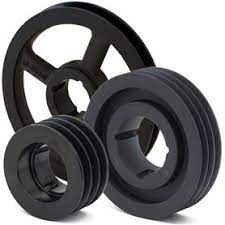
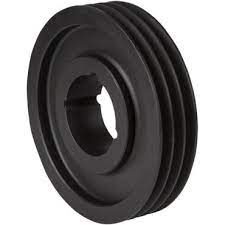
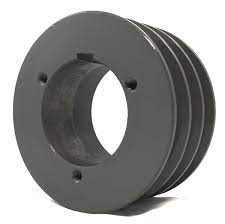
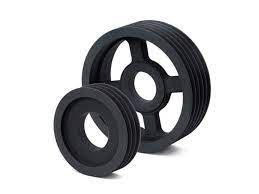
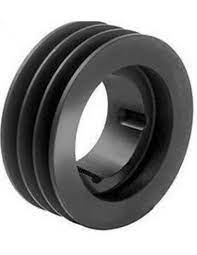
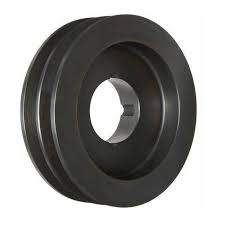
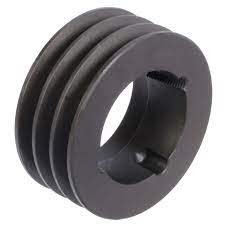
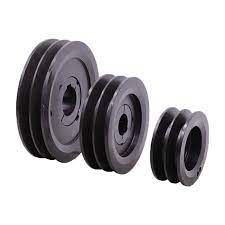
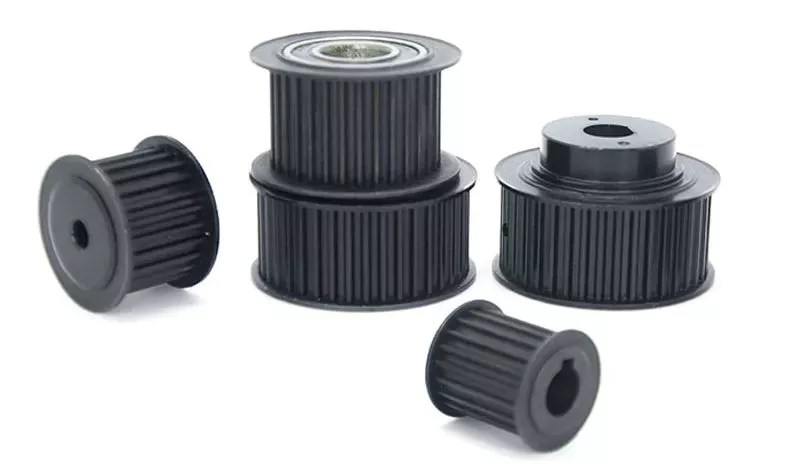
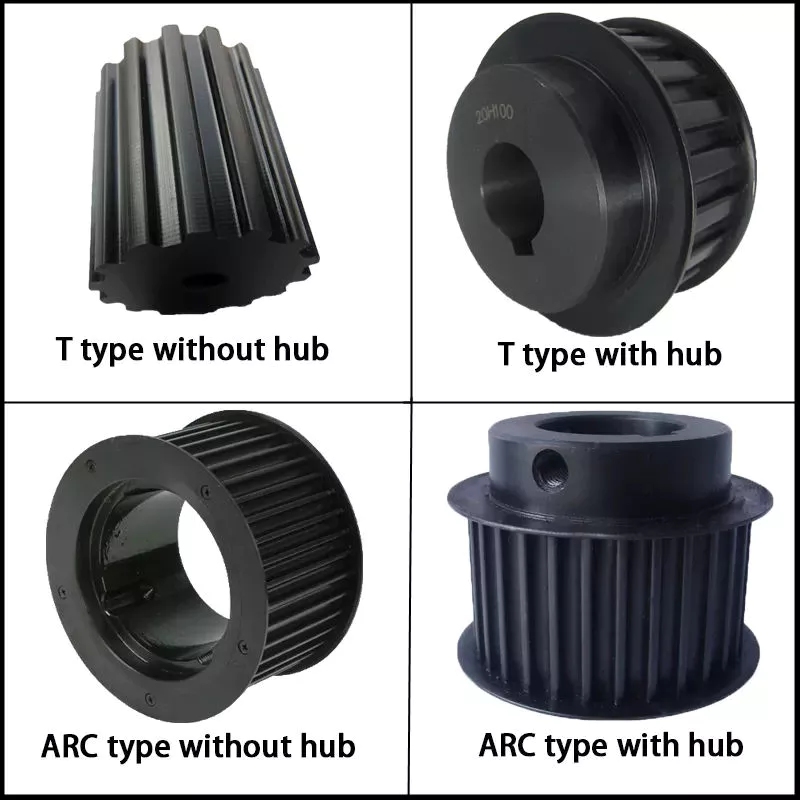
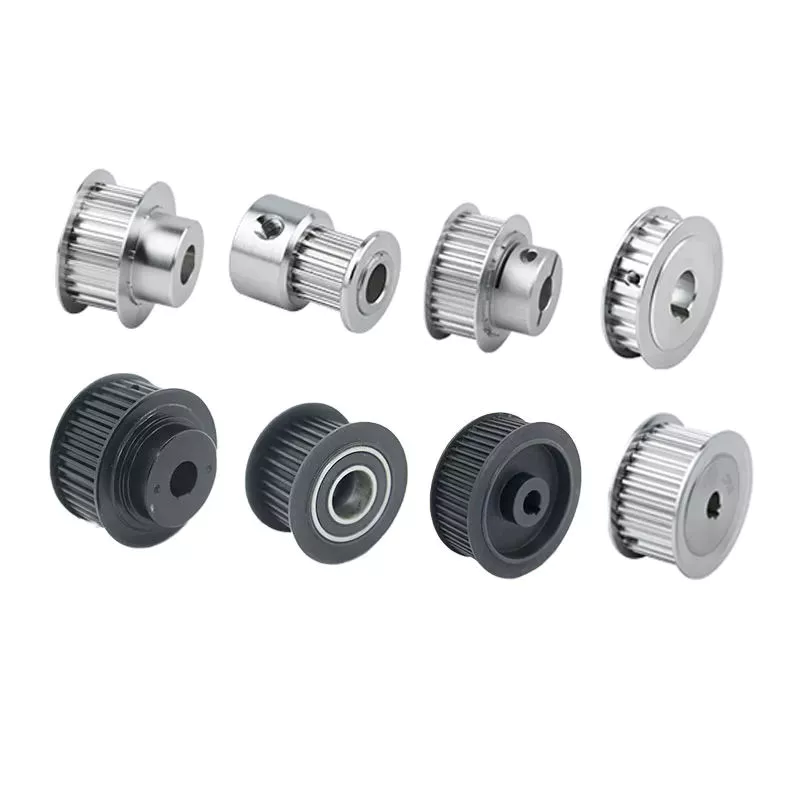
MXL XL L H XH XXH T2.5 T5 T10 T20 AT5 AT10 AT20 3M 5M 8M 14M 20M S2M S3M S4.5M S5M S8M S14M P5M P8M P14M etc and other special models
Material:
Stainless Steel, Brass/Copper, Aluminum, POM, and other standard machineable material.
Module:
7-160mm, Max.Diameter:14 http://cxhxbelt
Pulley Sizes:
3m 5m 8m 14m Mxl XL L H S2m 2gt
Manufacturing Process:
Hobbing
Material:
Aluminum 45#Steel
Surface Treatment:
Baking Paint
Application:
Textile, Packaging, Advertising Equipment
Color:
Black Red Whight
Customization:
Available
|
Customized Request
How do spa pulleys impact the overall spa experience and convenience?
Spa pulleys play a crucial role in the overall spa experience and convenience. Here’s a detailed explanation of how spa pulleys impact these aspects:
1. Efficient Power Transmission:
Spa pulleys are responsible for transmitting power from the motor to various components within the spa system, such as pumps, blowers, and control systems. The efficiency of power transmission directly affects the performance of these components. Well-designed and properly functioning pulleys ensure smooth and efficient power transfer, allowing the spa equipment to operate at optimal levels. This results in enhanced performance and a more enjoyable spa experience.
2. Control of Water Circulation:
Many spa systems rely on pulleys to drive the water circulation process. Pulleys are used to power the circulation pumps that move water through the filtration system, jets, and other water features. The proper functioning of these pulleys ensures effective water circulation, which is essential for maintaining water cleanliness, temperature consistency, and the delivery of hydrotherapy benefits. Reliable and well-maintained pulleys contribute to a pleasant and convenient spa experience by ensuring proper water flow and distribution.
3. Quiet Operation:
High-quality spa pulleys, especially those equipped with noise-reduction features, contribute to a quiet and peaceful spa environment. By minimizing vibrations and noise during operation, these pulleys enhance the overall relaxation experience. Spa-goers can enjoy a serene environment without disturbances caused by loud or unpleasant mechanical noises.
4. Smooth Adjustments and Control:
In some spa systems, pulleys are used to control and adjust the speed or intensity of various components, such as jets or air blowers. By manipulating the pulley configuration or belt tension, spa users can customize their experience and achieve their desired level of hydrotherapy or massage. Smooth and responsive pulley mechanisms allow for convenient adjustments, empowering spa-goers to tailor the spa experience according to their preferences.
5. Reliability and Durability:
Well-designed and properly maintained spa pulleys contribute to the overall reliability and durability of the spa system. High-quality pulleys are built to withstand the demanding spa environment, including exposure to heat, moisture, and chemicals. By choosing durable pulleys and performing regular maintenance, spa owners can minimize the risk of unexpected failures or breakdowns, ensuring uninterrupted convenience and enjoyment for spa users.
6. Convenience in Maintenance and Repairs:
Spa pulleys that are designed for easy installation, maintenance, and repairs offer added convenience. Quick-release mechanisms, accessible components, and clear documentation make it easier for spa technicians or owners to perform routine maintenance tasks or address any pulley-related issues. Convenient pulley designs streamline maintenance processes and reduce downtime, allowing spa owners to maximize the availability and usability of their spa systems.
In summary, spa pulleys have a significant impact on the overall spa experience and convenience. They facilitate efficient power transmission, control water circulation, contribute to quiet operation, enable smooth adjustments and control, enhance reliability and durability, and offer convenience in maintenance and repairs. By choosing high-quality pulleys and ensuring their proper functioning and maintenance, spa owners can provide a satisfying and convenient spa experience for their customers or enjoy the benefits themselves.
What is the significance of proper alignment and tensioning in spa pulley systems?
Proper alignment and tensioning are crucial for the optimal performance and longevity of spa pulley systems. Here’s a detailed explanation of their significance:
1. Efficient Power Transmission:
Proper alignment and tensioning ensure efficient power transmission within the spa pulley system. When the pulleys are correctly aligned, the belt or cable connecting them maintains proper engagement, maximizing power transfer from the motor to the driven components such as pumps, blowers, or jets. Efficient power transmission results in optimal performance, ensuring that the spa operates at its intended capacity and delivers the desired water flow, pressure, and air delivery.
2. Reduced Wear and Friction:
Improper alignment or tensioning can cause excessive wear and friction in the spa pulley system. Misalignment can lead to uneven loading on the pulleys and belts or cables, causing accelerated wear and fatigue. Inadequate tensioning can result in slippage, which generates heat and increases friction between the pulleys and the belt or cable. Proper alignment and tensioning help distribute the load evenly, reducing wear, heat generation, and friction. This prolongs the lifespan of the pulleys and associated components, minimizing the need for premature replacements.
3. Noise Reduction:
Misaligned or improperly tensioned spa pulleys can produce noise during operation. Misalignment may cause the pulleys to run off-center, resulting in vibrations and noise. Insufficient tensioning can lead to belt or cable slippage, which generates squealing or screeching sounds. Proper alignment and tensioning help eliminate or minimize these noise issues, ensuring a quieter and more enjoyable spa experience for users.
4. Prevented Belt or Cable Failure:
Correct alignment and tensioning prevent belt or cable failure in spa pulley systems. Misalignment or excessive tension can cause belts or cables to stretch, fray, or wear out prematurely. Over time, this can lead to belt or cable failure, resulting in unexpected downtime and costly repairs. By maintaining proper alignment and tensioning, the risk of belt or cable failure is significantly reduced, promoting reliable operation and avoiding disruptions in spa performance.
5. Enhanced Safety:
Properly aligned and tensioned spa pulley systems contribute to enhanced safety for spa users and technicians. Misaligned pulleys or improperly tensioned belts or cables can pose safety risks. Misalignment may cause unexpected movement or dislodging of components, leading to potential accidents or injuries. Excessive tensioning can strain the system, increasing the risk of component failure or breakage. By ensuring proper alignment and tensioning, the risk of safety hazards is minimized, providing a safe and secure spa environment.
6. Optimal Energy Efficiency:
A properly aligned and tensioned spa pulley system promotes optimal energy efficiency. Misalignment or inadequate tensioning can result in energy losses due to increased friction, slippage, or unnecessary strain on the system. Proper alignment and tensioning minimize these energy losses, allowing the spa to operate more efficiently and reducing energy consumption. This not only saves on operating costs but also supports sustainable and eco-friendly spa practices.
In summary, proper alignment and tensioning are critical for the optimal performance, reliability, safety, and energy efficiency of spa pulley systems. They ensure efficient power transmission, reduce wear and friction, minimize noise, prevent belt or cable failure, enhance safety, and promote optimal energy usage. Regular inspection, adjustment, and maintenance of alignment and tensioning are essential to maximize the benefits and lifespan of the spa pulley system.
What types of belts or cables are typically employed with spa pulleys?
When it comes to spa pulleys, different types of belts or cables can be employed depending on the specific application and design of the system. Here’s a detailed explanation of the typical types of belts or cables that are commonly used with spa pulleys:
1. V-Belts:
V-belts are one of the most commonly employed types of belts with spa pulleys. They have a trapezoidal cross-section and are designed to fit into the grooves or notches present on the surface of the pulley. V-belts offer excellent grip and traction, allowing for efficient power transfer between the pulley and the driven component, such as the pump impeller or blower fan. They are flexible, durable, and suitable for moderate to high power transmission applications.
2. Timing Belts:
Timing belts, also known as synchronous belts, are toothed belts that feature teeth on the inner surface. These teeth fit into the corresponding grooves or teeth on the pulley’s surface, ensuring precise and synchronous power transmission. Timing belts are commonly used in applications that require accurate timing and positioning, such as controlling the rotation of the pump impeller or other components. They are known for their low noise, high efficiency, and resistance to slipping.
3. Flat Belts:
Flat belts, as the name suggests, have a flat surface and are typically made of materials like rubber or synthetic materials. Although less common in modern spa and hot tub systems, they may still be employed in certain applications. Flat belts are flexible, easy to install, and suitable for low power transmission requirements. However, they may have limitations in terms of grip and power transfer efficiency compared to V-belts or timing belts.
4. Cables:
In some spa and hot tub systems, particularly those with pulley-driven mechanical control systems, cables may be employed instead of belts. These cables are typically made of steel or other strong materials and are used to transmit linear motion or tension between the pulley and the component being controlled. For example, cables may be used to control the opening and closing of valves or the adjustment of water flow. The use of cables provides flexibility and precise control over the movement of components.
It’s important to note that the specific type of belt or cable employed with spa pulleys may depend on factors such as the manufacturer’s specifications, system design, load requirements, and intended application. Consulting the system’s documentation or contacting the manufacturer will provide accurate information on the recommended type of belt or cable to be used with a particular spa pulley.
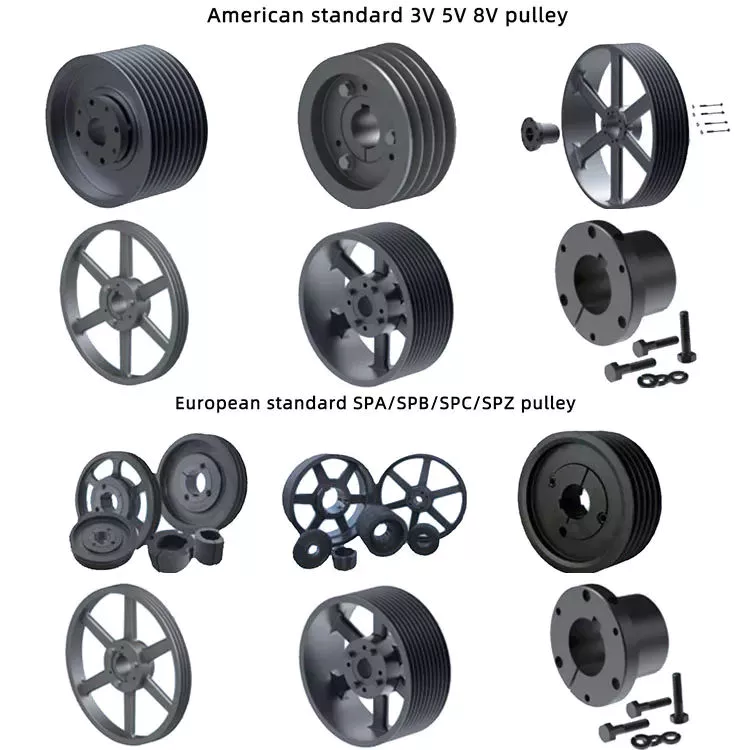
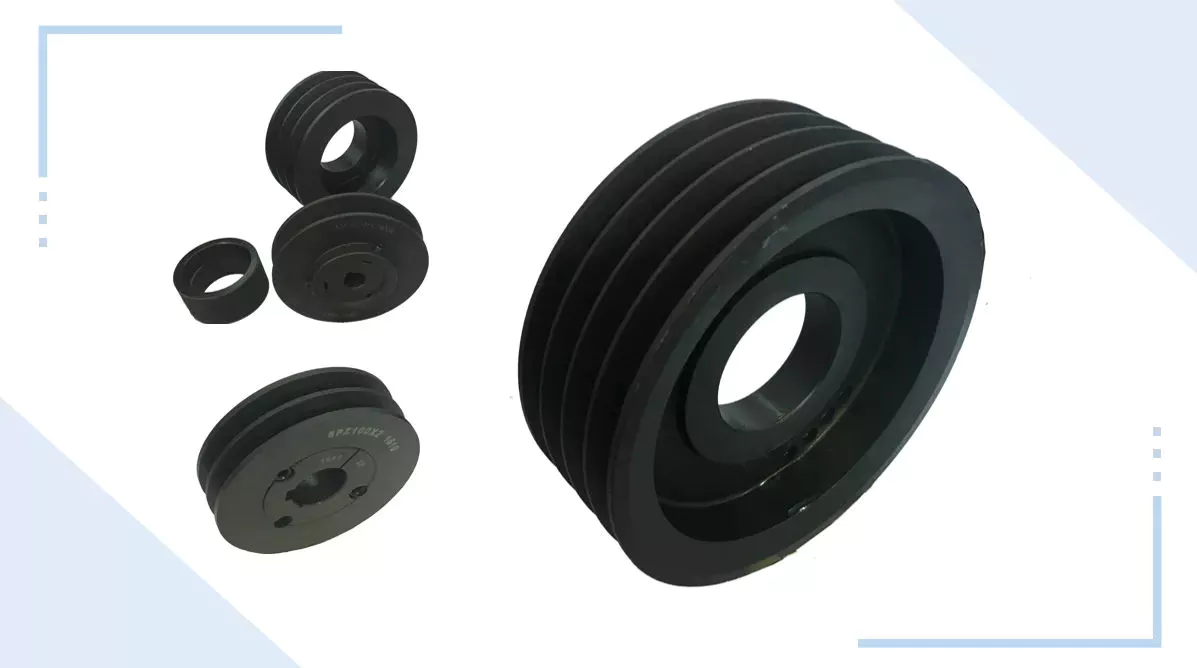
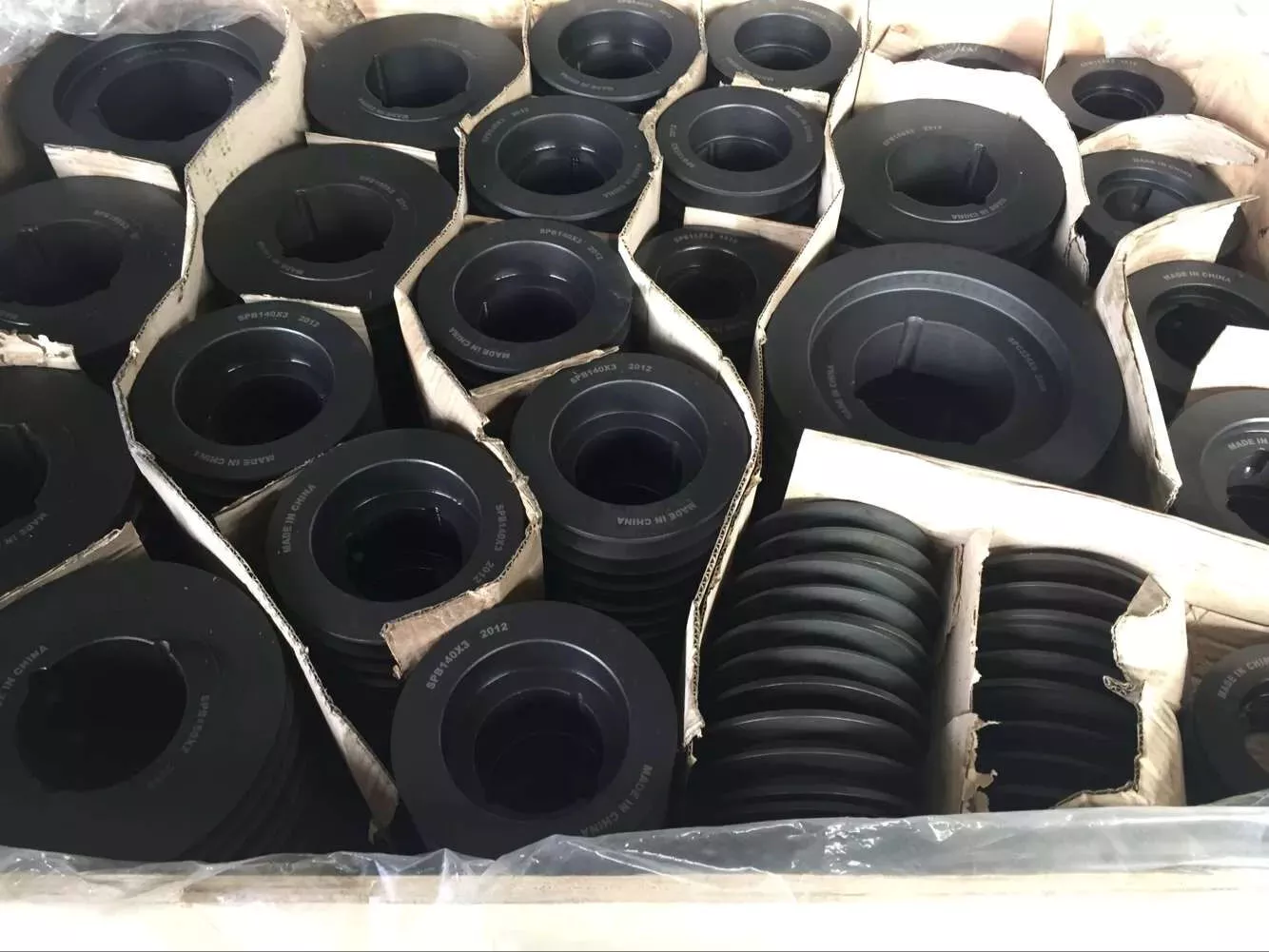
1) European standard: a) V-belts pulley for taper bushing: SPZ, SPA, SPB, SPC; up to 10 grooves. b) Adjustable speed V-belt pulleys and variable speed pulleys. c) Flat belt pulleys and conveyor belt pulleys. 2) American standards: a) Sheave for taper bushing: 3V, 5V, 8V b) Sheaves for QD bushings: 3V, 5V, 8V c) Sheaves for split taper bushing: 3V, 5V, 8V . d) Sheave for 3L, 4L or A, and 5L or B belts: AK, AKH, 2AK, 2AKH, BK, BKH,2BK, 2BKH, 3BK e) Adjustable sheave: poly V-pulley, multi-pitch H, L, J, K and M.
Fetures: Made according to drawings and/or sample,OEM inquiries welcomed, especially for big pulley. Material: C45, cast iron, ductile iron, GG200,GG250, GGG3000, GGG40, nylon, aluminum, etc. Surface treatment: Black oxide, phosphate, painted, Zinc plate or passavited. Bore: pilot bore, finish bore, taper bore, bore for QD bushing Inspection:Dynamic balance & Static balance test are available.With standardized desigh and well equipped CNC machining Systems. Our pulleys have high Precision and good interchangeability. Apply to mining machinery,petroleum machinery ETC. workshop
FAQ Q: Are you trading company or manufacturer ?
A: We are factory.
Q: How long is your delivery time?
A: Generally it is 5-10 days if the goods are in stock. or it is 15-20 days if the goods are not in stock, it is according to quantity.
Q: Do you provide samples ? is it free or extra ?
A: Yes, we could offer the sample for free charge but do not pay the cost of freight.
Q: What is your terms of payment ?
A: Payment 30%TT in advance. 70% T/T before shippment
Certification:
CE, ISO
Pulley Sizes:
Type B
Manufacturing Process:
Casting
Material:
Iron
Surface Treatment:
Polishing
Application:
Chemical Industry, Grain Transport, Mining Transport, Power Plant
Samples:
US$ 16/Piece 1 Piece(Min.Order)
|
Request Sample
Customization:
Available
|
Customized Request
How do spa pulleys contribute to the functioning of spa heater and filtration systems?
Spa pulleys play a significant role in the functioning of spa heater and filtration systems. Here’s a detailed explanation of how spa pulleys contribute to these systems:
1. Spa Heater System:
Spa pulleys are involved in the operation of the spa heater system, which is responsible for maintaining the desired water temperature. The heater system typically includes a circulation pump that moves water through the heater element. The pump is driven by a motor connected to pulleys and belts or cables. The pulleys transmit power from the motor to the pump, ensuring water flow through the heater system.
Properly sized and aligned pulleys help maintain the appropriate speed and torque required for efficient water circulation. When the pulleys are correctly configured, they ensure that the pump operates at the optimal speed, allowing sufficient time for water to pass through the heater element and reach the desired temperature. This enables the heater system to effectively heat the water in the spa, providing a comfortable and enjoyable spa experience for users.
2. Spa Filtration System:
The spa filtration system is responsible for removing debris, particles, and contaminants from the spa water, promoting clean and clear water. Spa pulleys contribute to the functioning of the filtration system by powering the circulation pump that drives water through the filter media.
Similar to the spa heater system, the circulation pump is driven by a motor connected to pulleys and belts or cables. The pulleys transmit power from the motor to the pump, ensuring sufficient water flow through the filtration system. Proper alignment and tensioning of the pulleys help maintain consistent water flow, ensuring that water passes through the filter media effectively.
Effective power transmission through the pulleys allows the filtration system to efficiently capture and trap debris and contaminants, preventing them from re-entering the spa water. This contributes to improved water quality, reducing the risk of cloudy water or waterborne illnesses. Additionally, proper pulley alignment and tensioning minimize the risk of clogs or reduced filtration efficiency, ensuring continuous and effective filtration.
In summary, spa pulleys are essential for the functioning of spa heater and filtration systems. They enable the circulation pump to operate, facilitating water flow through the heater system for temperature regulation and through the filtration system for debris and contaminant removal. Proper alignment and tensioning of spa pulleys ensure optimal power transmission, allowing the systems to function efficiently and effectively. This helps maintain comfortable water temperature and promotes clean and clear spa water for an enjoyable and hygienic spa experience.
What maintenance procedures are necessary to ensure the reliability of spa pulleys?
Maintaining the reliability of spa pulleys requires several essential maintenance procedures. Here’s a detailed explanation of the necessary steps:
1. Regular Inspection:
Perform regular visual inspections of the spa pulleys to check for any signs of wear, damage, or misalignment. Look for cracks, chips, or excessive wear on the pulley surfaces. Additionally, inspect the belt or cable for any signs of fraying, stretching, or deterioration. Regular inspections help identify potential issues early on and allow for timely maintenance or replacement of the pulleys if necessary.
2. Cleaning:
Keep the spa pulleys clean and free from debris, dirt, or contaminants that may accumulate over time. Use a soft brush or cloth to remove any build-up around the pulley grooves or teeth. Clean pulleys help maintain proper belt or cable engagement and reduce the risk of slippage or premature wear. Avoid using harsh chemicals or abrasive materials that could damage the pulley surfaces.
3. Lubrication:
Proper lubrication is crucial for ensuring smooth operation and minimizing friction between the pulleys and the belt or cable. Consult the manufacturer’s recommendations or guidelines for the appropriate lubricant to use. Apply the lubricant sparingly and evenly to the pulley surfaces, taking care not to over-lubricate. This helps reduce wear, heat generation, and noise, enhancing the overall reliability and lifespan of the pulleys.
4. Tension Adjustment:
Regularly check and adjust the tension of the belts or cables connected to the spa pulleys. Proper tensioning is essential for efficient power transmission and preventing slippage. Refer to the manufacturer’s guidelines for the recommended tension levels and adjustment procedures. Use the appropriate tools, such as tension gauges or adjusting mechanisms, to achieve the desired tension. Ensure the tension is evenly distributed across the belt or cable to prevent uneven wear or premature failure.
5. Belt or Cable Replacement:
If the belts or cables show signs of significant wear, stretching, or damage, they should be promptly replaced. Worn or damaged belts or cables can affect the performance and reliability of the spa pulleys. Follow the manufacturer’s recommendations for the correct type, size, and installation procedure of the replacement belts or cables. Proper installation ensures optimal engagement and power transmission, maintaining the reliability of the spa pulleys.
6. Balancing:
In some cases, spa pulleys may require balancing to minimize vibration and ensure smooth operation. If excessive vibration or noise is observed during operation, it may indicate an imbalance in the pulleys. Consult a professional technician or follow the manufacturer’s instructions for balancing the pulleys. Balancing procedures typically involve adding or removing weight from the pulley to achieve proper balance and improve the reliability of the pulley system.
7. Preventive Maintenance:
Implement a preventive maintenance schedule for the spa pulleys. This may include periodic maintenance tasks, such as inspections, cleaning, lubrication, and tension adjustment, as well as any other specific maintenance requirements recommended by the manufacturer. Following a preventive maintenance plan helps identify and address potential issues before they escalate, ensuring the long-term reliability and performance of the spa pulleys.
By following these maintenance procedures, spa owners can ensure the reliability and longevity of their spa pulleys. Regular inspections, cleaning, lubrication, tension adjustment, belt or cable replacement, balancing, and preventive maintenance all contribute to maintaining optimal performance and minimizing downtime or costly repairs.
What types of belts or cables are typically employed with spa pulleys?
When it comes to spa pulleys, different types of belts or cables can be employed depending on the specific application and design of the system. Here’s a detailed explanation of the typical types of belts or cables that are commonly used with spa pulleys:
1. V-Belts:
V-belts are one of the most commonly employed types of belts with spa pulleys. They have a trapezoidal cross-section and are designed to fit into the grooves or notches present on the surface of the pulley. V-belts offer excellent grip and traction, allowing for efficient power transfer between the pulley and the driven component, such as the pump impeller or blower fan. They are flexible, durable, and suitable for moderate to high power transmission applications.
2. Timing Belts:
Timing belts, also known as synchronous belts, are toothed belts that feature teeth on the inner surface. These teeth fit into the corresponding grooves or teeth on the pulley’s surface, ensuring precise and synchronous power transmission. Timing belts are commonly used in applications that require accurate timing and positioning, such as controlling the rotation of the pump impeller or other components. They are known for their low noise, high efficiency, and resistance to slipping.
3. Flat Belts:
Flat belts, as the name suggests, have a flat surface and are typically made of materials like rubber or synthetic materials. Although less common in modern spa and hot tub systems, they may still be employed in certain applications. Flat belts are flexible, easy to install, and suitable for low power transmission requirements. However, they may have limitations in terms of grip and power transfer efficiency compared to V-belts or timing belts.
4. Cables:
In some spa and hot tub systems, particularly those with pulley-driven mechanical control systems, cables may be employed instead of belts. These cables are typically made of steel or other strong materials and are used to transmit linear motion or tension between the pulley and the component being controlled. For example, cables may be used to control the opening and closing of valves or the adjustment of water flow. The use of cables provides flexibility and precise control over the movement of components.
It’s important to note that the specific type of belt or cable employed with spa pulleys may depend on factors such as the manufacturer’s specifications, system design, load requirements, and intended application. Consulting the system’s documentation or contacting the manufacturer will provide accurate information on the recommended type of belt or cable to be used with a particular spa pulley.
6) Made according to drawings and/or samples, OEM inquiries welcome
Detailed Photos
Specification
Packaging & Shipping
Company Profile
FAQ
1. MOQ
A: Generally, 1 pc for standard parts; contact for nonstandard parts.
2. Delivery Time
A: In stock: within 5 working days. Out of stock: depends on your order quantity.
3. How To Select
A: part number or drawing, catalogue. If no, you can send us your sample, so we can make the drawing and sample accordingly.
4: What is the Warranty for your products?
A:Normally our warranty is 1 year.
If you have another question, pls feel free to contact me without hesitation as below:
Certification:
CE, ISO
Pulley Sizes:
SPA
Manufacturing Process:
Casting
Material:
Iron
Surface Treatment:
Phosphating
Application:
Mining Transport, Power Plant, CNC Traing and Milling
Samples:
US$ 0.1/Piece 1 Piece(Min.Order)
|
Request Sample
Customization:
Available
|
Customized Request
How do you select the right spa pulley for a specific spa model and purpose?
Selecting the right spa pulley for a specific spa model and purpose involves considering several factors. Here’s a detailed explanation of the steps involved in choosing the appropriate spa pulley:
1. Identify the Spa Model:
Begin by identifying the specific make and model of the spa for which you need the pulley. Different spa models may have varying requirements in terms of power transmission, belt type, and pulley configuration. Consult the spa manufacturer’s documentation, specifications, or contact their customer support to gather information about the recommended pulley specifications for your spa model.
2. Determine the Purpose:
Next, determine the purpose of the pulley within the spa system. Are you selecting a pulley for a pump, blower, control system, filtration system, or another component? Understanding the purpose will help you narrow down the specific requirements and characteristics needed for the pulley.
3. Consider Power Requirements:
Consider the power requirements of the component the pulley will drive. This includes factors such as the motor power rating, desired speed, and torque. Ensure that the pulley you choose is capable of handling the power demands of the specific spa equipment.
4. Evaluate Belt Type and Size:
Determine the type and size of the belt that will be used with the pulley. Different spa systems may utilize V-belts, flat belts, timing belts, or other belt types. Verify the belt type specified by the spa manufacturer and ensure that the pulley is designed to work with that particular belt type. Additionally, consider the appropriate belt size based on factors such as the pulley diameter, desired speed ratio, and power transmission requirements.
5. Assess Pulley Material and Construction:
Consider the material and construction of the pulley. Common materials include stainless steel, aluminum, brass, or various types of plastics or polymers. The choice of material depends on factors such as durability, corrosion resistance, and compatibility with the spa environment. Verify if there are any specific material recommendations from the spa manufacturer and select a pulley that meets those requirements.
6. Verify Pulley Configuration:
Verify the specific configuration of the pulley, such as the number of grooves or teeth, if applicable. This should match the number of belts or the desired timing of the system. Ensure that the pulley configuration aligns with the recommended specifications provided by the spa manufacturer.
7. Seek Expert Advice if Needed:
If you are unsure about any specific details or have difficulty finding the right pulley for your spa model and purpose, it is advisable to seek expert advice. Contact the spa manufacturer, a spa equipment supplier, or consult with a knowledgeable professional who can provide guidance and assistance in selecting the appropriate pulley.
In summary, selecting the right spa pulley for a specific spa model and purpose involves identifying the spa model, determining the purpose of the pulley, considering power requirements, evaluating belt type and size, assessing pulley material and construction, verifying pulley configuration, and seeking expert advice if needed. By following these steps and considering the recommended specifications, you can ensure that the chosen pulley is suitable for your spa equipment, enabling efficient power transmission and reliable operation.
What role do spa pulleys play in spa pump and motor systems?
Spa pulleys play a crucial role in spa pump and motor systems. Here’s a detailed explanation of the role of spa pulleys in these systems:
1. Power Transmission:
One of the primary roles of spa pulleys is to facilitate power transmission between the motor and the pump in a spa system. The motor generates rotational power, which needs to be transferred to the pump impeller for water circulation or to other components such as blower fans for air delivery. Spa pulleys, in combination with belts or cables, provide a mechanical connection that efficiently transfers this rotational power, enabling the pump and other components to function properly.
2. Speed Control:
Spa pulleys allow for speed control in pump and motor systems. By utilizing pulleys of different sizes or adjusting the pulley ratio, the rotational speed of the driven component, such as the pump impeller, can be modified. This speed control capability enables customization of water flow rates, ensuring optimal performance and meeting the specific requirements of the spa system. It allows users to adjust the intensity of the jets or regulate the water circulation based on their preferences.
3. Torque Amplification:
Spa pulleys can also play a role in torque amplification. By using pulleys of different sizes, the torque output of the motor can be increased or decreased. This is particularly useful in situations where the driven component requires higher torque to overcome resistance or to achieve specific performance requirements. Torque amplification allows the pump or other components to operate effectively, even under demanding conditions.
4. Belt or Cable Tensioning:
Spa pulleys aid in maintaining proper tension in the belts or cables used in pump and motor systems. Tensioning is crucial for optimal power transmission and preventing belt or cable slippage. Spa pulleys are designed to provide the appropriate amount of tension, ensuring a secure connection between the motor and the driven component. Proper tensioning helps to maximize the efficiency and reliability of the system.
5. Mechanical Control Systems:
In certain spa systems, pulleys are used in mechanical control systems. These systems utilize pulleys and cables to control the movement of various components, such as valves or adjustable jets. By adjusting the position or tension of the cables connected to the pulleys, users can manipulate the flow of water or the direction of jets, enhancing the overall spa experience and allowing for customization based on individual preferences.
6. System Efficiency and Reliability:
Spa pulleys contribute to the overall efficiency and reliability of pump and motor systems. Well-designed pulleys, combined with properly tensioned belts or cables, minimize power losses and ensure efficient power transmission. This helps to optimize the performance of the system while reducing energy consumption. Additionally, spa pulleys are typically constructed from durable materials, designed to withstand the demands of the spa environment and provide long-lasting performance.
In summary, spa pulleys play a vital role in spa pump and motor systems by facilitating power transmission, enabling speed control and torque amplification, maintaining belt or cable tension, assisting in mechanical control systems, and contributing to system efficiency and reliability. Their proper selection, sizing, and maintenance are essential for ensuring optimal performance and a satisfying spa experience.
Can you explain the key components and design features of a spa pulley?
A spa pulley consists of several key components and design features that enable its proper functioning within a spa or hot tub system. Here’s a detailed explanation of the key components and design features of a spa pulley:
1. Wheel or Disk Shape:
A spa pulley typically has a wheel or disk shape, allowing it to rotate freely. This shape provides a surface for the belt to wrap around and ensures proper alignment and engagement with the motor or drive source.
2. Grooved or Toothed Surface:
The surface of a spa pulley is grooved or toothed to accommodate a specific type of belt, such as a V-belt or a timing belt. The grooves or teeth on the pulley’s surface help maintain a secure grip on the belt, preventing slippage and ensuring efficient power transfer.
3. Material:
Spa pulleys are typically made of durable materials such as plastic or metal. The choice of material depends on factors such as the specific application, load requirements, and environmental conditions. Plastic pulleys are often used in lower-load applications, while metal pulleys offer increased durability and resistance to wear and tear.
4. Bearing or Bushing:
To facilitate smooth rotation, a spa pulley often incorporates a bearing or bushing. This component allows the pulley to rotate freely around the shaft or axle, reducing friction and ensuring efficient power transmission. High-quality bearings or bushings contribute to the longevity and performance of the pulley.
5. Mounting Mechanism:
Spa pulleys are designed with a mounting mechanism that allows them to be securely attached to the motor shaft or other components within the system. This can involve set screws, clamps, or other fastening methods. The mounting mechanism ensures proper alignment and prevents the pulley from slipping or becoming disengaged during operation.
6. Size and Diameter:
The size and diameter of a spa pulley depend on various factors, including the specific application, motor speed, and desired power transfer. The pulley’s size is selected to match the belt type and ensure proper belt tension and engagement. Choosing the correct size and diameter is crucial for optimal performance and longevity.
7. Pulley Ratio:
In some cases, spa pulleys are designed with specific ratios to achieve desired speed or torque outputs. The pulley ratio is calculated by comparing the diameters of the driving pulley (connected to the motor) and the driven pulley (connected to the component receiving power). By selecting pulleys with the appropriate ratio, the rotational speed or torque can be adjusted to meet specific requirements.
8. Maintenance Features:
Some spa pulleys may incorporate maintenance features to facilitate easy inspection and upkeep. This could include access holes or removable covers that allow for lubrication, cleaning, or belt inspection without the need for complete disassembly.
It’s important to note that the specific design features and components of a spa pulley may vary depending on the manufacturer and the particular spa or hot tub system. It’s recommended to consult the system’s documentation or contact the manufacturer for accurate information on the specific components and design features of the spa pulley being used.
With more than 15 years’ experience, high-precision equipment and strict management system, CIMO can provide V belt pulley for you with stable quality and best service.
Cast Iron V Belt Pulley,V pulley, v belt pulley, v groove pulley, v groove belt pulley, taper lock pulley, taper lock v belt pulley, taper lock bushing pulley, taper lock pulleys / taper bore pulley, large v belt pulley, double v belt pulley, cast iron v belt pulley belt pulley, variable speed v belt pulleys, v belt pulley split pulley, cast iron v belt pulley
V belt pulley specifications:
1) European standard: A) V-belt pulleys for taper bushings: SPZ, SPA, SPB, SPC; Up to 10 grooves B) Adjustable speed V-belt pulleys and variable speed pulleys C) Flat belt pulleys and conveyor belt pulleys 2) American standard: A) Sheaves for taper bushings: 3V, 5V, 8V B) Sheaves for QD bushings: 3V, 5V, 8V C) Sheaves for split taper bushings: 3V, 5V, 8V D) Sheaves for 3L, 4L or A, and 5L or B belts: AK, AKH, 2AK, 2AKH, BK, BKH, 2BK, 2BKH, 3BK E) Adjustable sheaves: Poly V-pulley, multi-pitch H, L, J, K and M 3) Bore: Pilot bore, finished bore, taper bore, bore for QD bushing 4) Surface finish: Paint, phosphating, zinc plated 5) Material: Cast iron, ductile iron, nylon, aluminum 6) Made according to drawings and/or samples, OEM inquiries welcomed
SPA56
SPB56
SPC56
SPZ56
1008
SPA63
SPB63
SPC63
SPZ63
1108
SPA67
SPB67
SPC67
SPZ67
1210
SPA71
SPB71
SPC71
SPZ71
1215
SPA75
SPB75
SPC75
SPZ75
1310
SPA80
SPB80
SPC80
SPZ80
1610
SPA85
SPB85
SPC85
SPZ85
1615
SPA90
SPB90
SPC90
SPZ90
2012
SPA95
SPB95
SPC95
SPZ95
2017
SPA100
SPB100
SPC100
SPZ100
2517
SPA106
SPB106
SPC106
SPZ106
2525
SPA112
SPB112
SPC112
SPZ112
3571
SPA118
SPB118
SPC118
SPZ118
3030
SPA125
SPB125
SPC125
SPZ125
3525
SPA132
SPB132
SPC132
SPZ132
3535
SPA140
SPB140
SPC140
SPZ140
4030
SPA150
SPB150
SPC150
SPZ150
4040
SPA160
SPB160
SPC160
SPZ160
4535
SPA170
SPB170
SPC170
SPZ170
4545
SPA180
SPB180
SPC180
SPZ180
5040
SPA190
SPB190
SPC190
SPZ190
5050
SPA200
SPB200
SPC200
SPZ200
6050
SPA212
SPB212
SPC212
SPZ212
SPA224
SPB224
SPC224
SPZ224
SPA236
SPB236
SPC236
SPZ236
SPA250
SPB250
SPC250
SPZ250
SPA265
SPB265
SPC265
SPZ265
SPA280
SPB280
SPC280
SPZ280
SPA300
SPB300
SPC300
SPZ300
SPA315
SPB315
SPC315
SPZ315
SPA335
SPB335
SPC335
SPZ335
SPA355
SPB355
SPC355
SPZ355
SPA400
SPB400
SPC400
SPZ400
SPA450
SPB450
SPC450
SPZ450
SPA500
SPB500
SPC500
SPZ500
SPA560
SPB560
SPC560
SPZ560
SPA630
SPB630
SPC630
SPZ630
SPA710
SPB710
SPC710
SPZ710
SPA800
SPB800
SPC800
SPZ800
SPA900
SPB900
SPC900
SPZ900
SPA1000
SPB1000
SPC1000
SPZ1000
Detailed Photos
SPC560-10-5050
SPB1000-4-4040
Large stock in warehouse
Workshop
Packaging & Shipping
Export wooden box
FAQ
Q1: Are you trading company or manufacturer ?
A: We are factory.
Q2: How long is your delivery time and shipment? 1.Sample Lead-times: 10-20 days 2.Production Lead-times: 30-45 days after order confirmed.
Q3: What is your advantages? 1. The most competitive price and good quality. 2. Perfect technical engineers give you the best support. 3. OEM is available.
Certification:
ISO
Pulley Sizes:
Type A
Manufacturing Process:
Casting
Material:
Iron
Surface Treatment:
Phosphated
Application:
Chemical Industry, Grain Transport, Mining Transport, Power Plant
Customization:
Available
|
Customized Request
Are there different types of spa pulleys, and how do they vary in spa applications?
Yes, there are different types of spa pulleys available, and they can vary in terms of design, materials, and specific applications within a spa system. Here’s a detailed explanation of the various types of spa pulleys and their variations in spa applications:
1. V-Belt Pulleys:
V-belt pulleys are one of the most common types of pulleys used in spa applications. They feature a V-shaped groove that matches the cross-section of V-belts, which are commonly used power transmission belts. V-belt pulleys provide reliable power transmission, high torque capacity, and are suitable for moderate to heavy-duty applications. They are often used in spa systems to transfer power from the motor to various components such as pumps, blowers, or jets.
2. Flat Belt Pulleys:
Flat belt pulleys, as the name suggests, have a flat surface for belt engagement. They are typically used with flat belts made of materials such as rubber or fabric. Flat belt pulleys are suitable for applications requiring moderate power transmission and are commonly used in spa systems for driving components like pumps or fans.
3. Timing Belt Pulleys:
Timing belt pulleys are designed to work specifically with timing belts, which have teeth on the inner surface. The teeth on the belt mesh with corresponding grooves on the pulley, enabling precise and synchronous power transmission. Timing belt pulleys are commonly used in spa applications where accurate timing and synchronization of components are required, such as in spa control systems or automated functions.
4. Idler Pulleys:
Idler pulleys are used to redirect or guide belts within a spa system. They do not transmit power but help maintain proper belt tension and alignment. Idler pulleys can be used in conjunction with other types of pulleys to ensure smooth operation and prevent belt slippage or excessive wear. They are commonly found in spa systems where multiple pulleys and belts are used, such as in complex pump or motor configurations.
5. Materials:
Spa pulleys can be made from various materials, and the choice of material depends on factors such as durability, resistance to corrosion, and compatibility with the spa environment. Common materials used for spa pulleys include stainless steel, aluminum, brass, or various types of plastics or polymers. Stainless steel and aluminum pulleys are often preferred for their corrosion resistance, while plastics or polymers may be used for their lightweight properties or chemical resistance.
6. Size and Configuration:
Spa pulleys come in different sizes and configurations to accommodate specific spa applications. The size of the pulley, including its diameter and width, is determined based on factors such as the power requirements, belt size, and desired speed ratio. Pulleys may have different numbers of grooves or teeth to match the number of belts or the desired timing of the system. The specific configuration and size of the pulleys are chosen to ensure proper power transmission, belt engagement, and compatibility with the overall spa system.
In summary, there are different types of spa pulleys, including V-belt pulleys, flat belt pulleys, timing belt pulleys, and idler pulleys. They can vary in terms of design, materials used, and specific applications within a spa system. The choice of pulley type, material, and size depends on factors such as the power requirements, belt type, desired speed ratio, and compatibility with the spa environment. Proper selection and use of spa pulleys are crucial for efficient power transmission and reliable operation of various components within the spa system.
How do spa pulleys impact the overall performance and water quality in a spa?
Spa pulleys have a significant impact on the overall performance and water quality in a spa. Here’s a detailed explanation of how spa pulleys influence these aspects:
1. Water Circulation:
Spa pulleys play a critical role in facilitating water circulation within the spa system. The pulleys are connected to the pump impeller, which generates the necessary water flow. Efficient power transmission from the motor to the pump impeller ensures adequate water circulation throughout the spa. Proper water circulation helps maintain even water temperature, ensure uniform distribution of chemicals, and prevent the formation of stagnant areas where contaminants can accumulate.
2. Jet Performance:
The performance of spa jets, which provide hydrotherapy and massaging effects, is influenced by the pulleys. By controlling the speed and torque output of the pump impeller through the pulleys, the intensity and pressure of the jets can be adjusted. Properly sized and configured pulleys enable optimal jet performance, allowing users to customize the water pressure and flow rate to their preferences. This enhances the overall spa experience and ensures the effectiveness of hydrotherapy treatments.
3. Air Delivery:
In spas equipped with air blowers or air injectors, spa pulleys also impact the delivery of air. Air blowers or injectors are often driven by the motor through pulleys and belts or cables. The pulleys control the speed and power transmission, influencing the amount and intensity of air delivered to the spa. By adjusting the pulley size or ratio, the air delivery can be modified, affecting the aeration and bubbling effects in the spa. This contributes to the overall ambiance and relaxation experience for spa users.
4. Energy Efficiency:
Well-designed and properly maintained spa pulleys contribute to energy efficiency in the spa system. Efficient power transmission from the motor to the pump or other driven components minimizes power losses, reducing energy consumption. By ensuring the pulleys are correctly sized, aligned, and tensioned, unnecessary friction and wear can be minimized, resulting in smoother operation and improved energy efficiency. This not only reduces operating costs but also supports sustainable and eco-friendly spa practices.
5. Water Filtration:
Proper water filtration is crucial for maintaining water quality in a spa, and spa pulleys indirectly impact this process. The pump, driven by the pulleys, circulates water through the filtration system, removing debris, particles, and contaminants. Effective power transmission ensures sufficient water flow through the filter, optimizing its filtration capacity. Clean and properly functioning pulleys contribute to uninterrupted water filtration, preventing clogs or reduced filtration efficiency. This helps in maintaining clear and healthy spa water.
6. Overall System Reliability:
Reliable spa pulleys are essential for the overall performance and longevity of the spa system. Well-maintained pulleys minimize the risk of belt or cable slippage, misalignment, or premature wear. This enhances the reliability and durability of the pulley system, reducing the likelihood of breakdowns or interruptions in spa operation. A reliable pulley system ensures consistent performance, allowing spa owners to enjoy their spa with confidence.
In summary, spa pulleys have a significant impact on the overall performance and water quality in a spa. They influence water circulation, jet performance, air delivery, energy efficiency, water filtration, and the overall reliability of the spa system. By ensuring proper sizing, alignment, tensioning, and maintenance of the pulleys, spa owners can optimize the performance, enhance the spa experience, and promote clean and healthy spa water.
What are the benefits of using spa pulleys for various components in a spa?
Using spa pulleys for various components in a spa offers several benefits. Here’s a detailed explanation of the advantages of using spa pulleys:
1. Efficient Power Transfer:
Spa pulleys provide an efficient means of power transfer from the motor or drive source to various components within the spa. By utilizing pulleys, rotational power can be transmitted smoothly and effectively, ensuring optimal performance of the driven components. This efficiency helps in achieving reliable operation and maximizing the functionality of the spa system.
2. Adjustable Speed and Torque:
Spa pulleys, when combined with different pulley ratios or sizes, allow for speed and torque adjustments in the driven components. By changing the pulley configuration, the rotational speed or torque output can be modified to meet specific requirements. This flexibility enables customization of the spa system, accommodating different water flow rates, jet intensities, or other operational preferences.
3. Noise Reduction:
Spa pulleys, particularly when used with belts or cables that offer good shock absorption properties, help in reducing noise during operation. Vibration and noise produced by the motor or drive source can be dampened by the use of pulleys, resulting in a quieter spa experience. This is especially important for those seeking a tranquil and relaxing environment while using the spa.
4. Enhanced Component Durability:
By employing spa pulleys, the load on the driven components, such as pump impellers or blower fans, is distributed more evenly. This helps to reduce stress and wear on individual components, leading to enhanced durability and longevity. The use of pulleys can help protect critical components from excessive strain, ensuring their reliable performance over time.
5. Reliable Water Circulation and Jet Operation:
Spa pulleys play a crucial role in facilitating water circulation and jet operation within the spa system. By transferring rotational power to the pump impeller, the pulleys ensure efficient water movement and proper jet performance. This reliable circulation and jet operation contribute to the overall effectiveness of the spa’s therapeutic effects, providing a satisfying and enjoyable experience for users.
6. Easy Maintenance and Replacement:
Spa pulleys are generally designed to be easily accessible and serviceable. This makes maintenance tasks, such as belt adjustments or replacements, more convenient. When a belt or pulley needs to be replaced, it can typically be done without requiring extensive disassembly of the spa system, saving time and effort.
Overall, the use of spa pulleys offers benefits such as efficient power transfer, adjustable speed and torque, noise reduction, enhanced component durability, reliable water circulation, and easy maintenance. These advantages contribute to the smooth operation, performance, and longevity of the various components within a spa system, ensuring a satisfying and long-lasting spa experience for users.
Applicable Industries: Creating Material Retailers, Producing Plant, Equipment Mend Outlets, Retail, Energy & Mining, Other Customized support: OEM Kind: TIMING Substance: Metal / Aluminum Shade: black Product name: Timing Pulley Dimensions: Stanard Floor therapy: Black Electrophoresis Pulley Kind: v-belt Pulley Form: Round Form
Title goes here.Welcome know more about eyelashes:1.Our company has a professional style team2.We can make the layout drawings in 2 hours3.We can supply inside 24 hours4.Merchandise high quality assurance interval for 1 calendar year, for the duration of the difficulties you can come to feel totally free to make contact with us
Tooth form
Model variety
T
H,XH,XXH,L,XL,XXL,T5, Excavator Sprocket for PC250 PC280 PC3MM Hip Hop Sterling Silver Iced Out Vvs Moissanite CZPT Cuban Hyperlink Chain Bracelet convex joint complete no welding mark Creation and processing procedures as shown: affirm the drawings – content – lathe machining – roll enamel – drilling machining – ring – marking machining – testing – packing shipments Synchronous belt wheel is usually is made up of the adhering to components: wheel physique elements (specifically need to have roll teeth part, this part is mainly used with synchronous belt) – ring – convex component – interior hole component – best wire portion
What makes pulleys so important?
A pulley is a simple tool that makes it easy to lift or move heavy objects. There are many uses for this tool, but let’s take a look at their mechanical advantages. There are several types and many applications, along with their benefits and costs. So what makes them so important? Read on to find out! Below are some of the most common uses for pulleys. Let’s dive into them.
Mechanical advantage
If you’ve ever used rope and pulley systems, you’ve probably noticed their usefulness. A 3:1 mechanical advantage system is like a 300-pound load being moved one foot up by three feet of rope. Then you can imagine using the same rope to get into a small space. The same principle applies to limited spaces, and a simple mechanical advantage system is just what you need for this purpose. Assuming frictionless bearings, a single movable pulley can have two mechanical advantages. It is attached to a heavy object and requires the pulling force exerted by the jack to lift the heavy object. However, when you use a compound pulley, the force exerted on the rope to lift the object changes direction. The three factors used to measure machine efficiency are force, distance, and relative motion. The mechanical advantage of the pulley is that it reduces the effort required to lift weights. When the rope is attached to the two wheels, applying a force of 500 Newtons can lift a mass of 100 kg. This mechanical advantage is why two rings in a pulley are better than one. Therefore, using a pulley system will save you energy. You can also use branches instead of ropes and pulleys.
type
There are several different types of pulleys. They can be simple or complex, depending on how they are connected. Simple pulleys have a grooved wheel on one end and are attached to an axle. These pulleys are used to lift heavy objects. They are often found on sailboats, and you can even see them on construction sites. On the other hand, stationary pulleys are attached to stationary structures, such as flagpoles. Fixed pulleys can also be used to lift loads from trucks or trains. Pulleys are also commonly used in wells. Fixed pulley systems use rollers or single wheels. These pulleys are usually made of nylon or wire rope. They are used in heavy duty applications. They are also used in electric motors. A “V” pulley requires a “V” belt to transmit power. Some of these pulleys have multiple “V” grooves to reduce the risk of power slipping. Once installed, fixed pulleys are suitable for many applications. Simple pulleys are simple pulleys. It has a pulley mounted on an axle and a rope at one end. Rope can be used to pull objects, while plastic pulleys can carry lighter loads. There are two main types: heavy duty and simple pulley systems. In either case, their function is the same: they change the direction in which the seat belt is fastened. So when comparing the two, it’s easy to decide which one is best for you.
application
Pulley systems are simple machines used for a variety of industrial and mechanical tasks. Its design parameters and benefits have improved over the years, but they remain essential for many applications. Let’s take a look at some of the most common applications of pulleys. The applications for pulley systems are endless, from construction to mining, from transportation to packaging. Read on to learn more! Pulley systems are often used to lift large objects, such as blocks, that might otherwise be too heavy to lift. It also makes the exploration process easier by helping people pull heavy objects into place. It is also widely used on sailing ships. Due to its low cost of use and no need for lubrication, it is a practical choice for many applications. It can be used to lift heavy objects and support long ropes. The pulley system allows you to change the force required to move the object. For example, a two-wheel pulley system is especially useful for reducing the effort required to lift large objects. The mechanical advantage increases with the number of wheels in the system. In addition, the mechanical advantage of a two-wheel pulley system depends on the ratio of the load weight to the number of rope segments in the system.
cost
In most cases, an idler replacement will cost around $150, but the exact cost will depend on several factors, including the make and model of the car. The cost also depends on the type of idler you need and the cost of the OEM parts. Some pulleys are easy to replace at home, while others require specialized tools, such as pulley wrenches. The chart below shows the cost of popular vehicles. Prices are valid at the time of writing. The diameter of the pulley is also important, this should be about 60% of the diameter of the active pulley. You can also purchase compensating pulleys at factory prices. Be sure to select the correct size before placing the pulley on the machine. Also, make sure you have enough space for the pulleys. Once you have the desired pulley size, you can determine the best type of belt to install. While this method is the most common type of belt drive, there are other methods of spinning cup blanks directly from a flat metal disk. One such method is described in US Patent No. 5,500,31. US Patent No. 1,728,002 and shows a method of making a dynamically balanced V-groove pulley. Using a headstock die with sliders increases the cost of the pulley. In addition, different cup blanks require different molds.
lubricating
The lubrication of pulley bearings is relatively simple. The pulley itself rotates smoothly with little vibration. Bearing contact loads are relatively low, and well-lubricated pulleys operate near ambient temperatures. Here are some tips for properly lubricating pulley bearings. Make sure to lubricate the nozzle before applying grease. Check grease, elastic ring, pulley bearing clearance once a year. If the elastic ring of the pulley is damaged or the roller bearing on the associated pulley is damaged, replace the pulley. Also, check the running noise of the pulleys to see if they are making noise. Check the bearing, damage to the elastic ring may indicate bearing failure or roller failure. Proper lubrication is critical to the life of the rotating pinion. Avoid exposure to sunlight or water. Protects the pinion meshing area from hard impurities. Liaise with crane operators and lubricators during maintenance and lubrication operations. They should know how to avoid pitfalls in the lubrication process. In case of malfunction, please contact service personnel and take necessary measures.
Compound Pulley System
A compound pulley system is used to lift heavy objects. These systems can use ropes or cords of different sizes. In general, the total weight of all ropes must be less than the weight of a single rope. The system can be used in large areas, but may not be suitable for smaller spaces. To learn more about compound pulleys, read on! Here are some helpful tips. 1. Understand the difference between single wheel and compound wheel A composite pulley system consists of three components: a drive pulley, one or more driven pulleys, and two pulleys. The drive wheels are usually connected to shafts that are connected to the engine or transmission. The driven wheel is a separate unit mounted on the same shaft as the drive wheel. A compound pulley system helps lift heavy loads. These pulleys are the most common type of pulley system in use today. Composite pulley systems are widely used on construction sites. They save energy by spreading the weight of heavy loads over multiple smaller loads. This means that the elevator does not have to use high-capacity lifting equipment. Additionally, the compound pulley system allows users to easily adjust power distribution to meet their individual needs. They can also use more than two ropes if necessary. This increases the range of motion of the lift arm.
Automotive, ATV, Mechanical equipment, Construction, Home appliance, Aviation, Office facilities, Agriculture, etc.
Shippment
We have longterm cooperation with internation shipping agent and express company, so that shipping safty and arriving time are secured
Detail Image
Why Choose Us
Our Machine
Product Range
Contact Us
Shipping Cost:
Estimated freight per unit.
To be negotiated
Certification:
CE, ISO
Pulley Sizes:
Type E
Manufacturing Process:
Forging
Samples:
US$ 999/Piece 1 Piece(Min.Order)
|
Order Sample
Custom packaging, consult us for sample price
Customization:
Available
|
Customized Request
Types of Pulley Systems
If you’ve ever tried to lift a pail of water, you’ve probably seen the pulley system in action. Pulleys are extremely useful tools for everything from household appliances to heavy industrial machinery. Different kinds of pulley systems are classified according to their amount of motion. Some types have fixed axes, while others have movable axes. Some common uses of pulleys are listed below.
two-wheel pulley
Pulleys are complex structures with thin-walled and thick-walled sections. Therefore, they require specific forging designs. The tool concept for the production of pulleys is shown in Figure 11.6. Using the generated tool, the pulley can be forged into different shapes. Process parameters must be optimized based on material, surface quality and metallographic analysis. Pulleys are wheels mounted on shafts. Its main function is to assist the movement of heavy objects. A single-wheel pulley can change the direction of the force, enabling a person to pull heavy objects. A dual-wheel pulley distributes the weight evenly across both wheels, allowing it to lift the same weight with half the effort. The mechanical advantage of a two-wheel pulley is that it reduces the force required by about half. A 100 kg object can be lifted with a force of 500 Newtons. The mechanical advantage of a pulley with two wheels is twice that of a single-wheel pulley. However, care should always be taken when using two-wheel pulleys. Two-wheel pulleys can be fixed or movable. A single wheel pulley can only change direction when the load is placed on one side of the wheel. Two-wheel pulleys change direction when lifting a load, requiring half the force. Live wheels are better for heavier loads. The movable pulley can be adjusted with the load, and the load distribution is more uniform. Active pulleys can be used with single-rope or two-wheel pulleys. A pulley system with two wheels is called a compound pulley. This type of pulley system has a complex design that reduces the force required to move the load. Two-wheel pulleys are common in industrial and construction environments. These pulleys require a lot of space to install and operate. Additionally, they require regular maintenance to avoid wear and tear.
composite pulley
Compound pulleys are used to increase lift. One fixed pulley is attached to the overhead while the other fixed pulley is attached to the load. This setup minimizes the force required to lift weights, allowing you to lift heavier weights. There are several different types of compound pulleys, each with their own strengths and weaknesses. Below are some examples of their application. Some of the most common are listed below. Composite pulleys are usually made from two different types of wheels. The first one is fixed and secure. The second type, movable, is attached to something that moves. The third type, compound pulley, is a combination of a movable pulley and a fixed pulley. Below are three types of comparisons. The table below compares them and explains their advantages and disadvantages. Composite pulleys are the most versatile of the three. The number of sheave segments that make up the composite sheave system increases the mechanical advantage of the system. Each segment adds one percent of the total weight, and the ideal mechanical advantage is two or more. So a compound pulley with four segments will lift three-quarters of the weight. This is because the force applied to the load is multiplied by four. The result is a better boost. While composite pulleys have many uses, they are most commonly used on larger sailboats. These pulleys work by changing the direction of the control wire or by changing the mechanical force of the rope. They also make it easier to lift heavier objects. Composite pulleys are more expensive than simple pulleys, so consider your needs before buying. The advantages of composite pulleys outweigh the disadvantages. A basic compound pulley is a device consisting of two wheels with fixed points. Ropes are looped around the wheels and are used to lift heavy objects. When you pull on the rope, the rope pulls the two wheels closer together. Serious injury could result if this equipment is installed incorrectly. Never exceed the lifting capacity of pulleys and other safety devices that may be attached. When using pulleys, be sure to follow the instructions on the mounting hardware to avoid accidents.
Fixed pulley
Moving pulleys and fixed pulleys are different types of mechanical devices. The movable pulley moves with the object it is used to lift. Because it attaches to the object it is used to lift, it is great for lifting heavy objects. These devices are used in construction cranes and multipurpose elevators. There are many different types of pulleys, and their uses vary widely. Below is a brief overview of these devices. The simplest pulley set consists of a wheel that is mounted on the ceiling. A rope is attached at one end and a person pulls at the other end. The rope is strong enough to keep a person standing while lifting weights. It takes about 200 Newtons of force to lift a 20 kg weight. In contrast, a movable pulley requires a force of 1000N, which makes it easier to lift heavy objects. Fixed pulleys are another common lifting device. They work by using ropes and slotted wheels attached to the object to be lifted. These devices are convenient to use because they are easy to set up. Moving the scroll wheel doesn’t change direction, so it’s easier to move objects without putting too much pressure on the back. Unlike a moving rope, a moving object will feel much lighter than its actual weight. Fixed pulleys are widely used in construction and agriculture. Fixed pulleys can help lift supplies and equipment from scaffolding. These items are often heavy and difficult to lift directly. Fixed pulleys at the top of the scaffolding will allow people at the bottom to lift objects more easily. As a result, those at the bottom are less stressed and more productive. Fixed pulleys will save time and money compared to moving ropes. Composite pulleys combine fixed and movable pulleys to increase the power of movement. A compound pulley system uses both types of pulleys and enables a person to change direction by reversing the direction of a force. The compound pulley system will save time and effort as the user only has to put in half the effort. Unlike moving ropes, composite pulleys are easy to adjust and are the most versatile system on the market.
Blocks and tackles
A pulley block system is a rope hoist that uses a set of pulleys mounted on a frame. The blocks are arranged in a row, and the threaded rope is called a pulley. Pulley systems help amplify the tension of the rope and are common in sailboats, cranes and drilling rigs. However, these systems are not without drawbacks. The pulley pulley system can be equipped with as many pulleys as required. This method allows a person to lift heavy objects. The pulley block system can contain the required number of pulleys to achieve the desired height. The main disadvantage of pulley systems is that they create a lot of friction on the pulley shaft. Pulley systems use two types of pulleys. A movable pulley is attached to the load, allowing it to move with the load. On the other hand, fixed pulleys are fixed on fixed points. Therefore, a pulley block system may consist of multiple pulleys mounted on a shaft. For example, the two pulleys attached to the shaft each have their own mechanical advantages. Several types of tackle systems have been developed in recent centuries. The most basic is the gun mount, which uses two pulleys to lift the load. The mechanical advantage of such a system is two to three times the distance required by the rope to move the load. Depending on how they’re assembled, the system can lift 400 pounds with 80 or 100 pounds of force. Another type of pulley is a combination of multiple wheels. The wheels on pulleys are supported by a housing or frame. The chain is attached to the pulley, and the rope is pulled to lift it. A combined pulley system will have multiple wheels. As the load increases, the force on the pulley also increases. This approach is generally more expensive than intercept and intercept systems.
SPB industrial V Belt Pulley cast iron v groove pulley
Features: * Easy Installation & remove * Reduce wear and extend belt life * Increase the versatility of the product * Reduce noise
Application: Narrow V belt transmission is articularly suitable for high-power, transmission requirements compact power transmission mechanism. Widely used in a variety of power transmission, such as: mining machinery, petroleum, metallurgy, chemical, textile, lifting and other industrial equipment.
Pulley Dimensions
a
b
c
d
e
f
h
34°
38°
SPZ
9.7
8.5
8.0
12
8.0
2.5
12
p≤80
p≥80
SPA
12.7
11
10.0
15
10.0
3.5
15
p≤118
p≥118
SPB
16.3
14
12.5
19
12.5
4.0
18
p≤190
p≥190
SPC
22.0
19
16.0
25
16.0
24
24
p≤315
p≥315
Belt Dimensions
m
s
n
SPZ
9.7
8.0
8.5
SPA
12.7
10.0
11.0
SPB
16.3
13.0
14.0
SPC
22.0
18.0
19.0
European standard taper bush
Bush No
Bore Range (mm)
2517
20,22,24,25,28,30,32,35,38,40,42,45,48,50,55,60
3571
25,28,30,32,35,38,40,42,45,48,50,55,60,65,70,75
3030
25,28,30,32,35,38,40,42,45,48,50,55,60,65,70,75
3525
35,38,40,42,45,48,50,55,60,65,70,75,80,85,90
3535
35,38,40,42,45,48,50,55,60,65,70,75,80,85,90
4030
40,42,45,50,60,65,70,75,80,85,90,95,100
4040
40,42,45,50,60,65,70,75,80,85,90,95,100
4535
55,60,65,70,75,80,85,90,95,100,105,110
4545
55,60,65,70,75,80,85,90,95,100,105,110
5050
60,65,70,75,80,85,90,95,100,105,110,115,120,125
Product Parameters
Packaging & Shipping
1.Most of the standard ones are in stock which we can send in 3-7 days after inspection and package.
2. Customized products delivery time should be determined according to the number.
Company Profile
About Mighty Machinery
ZheJiang Mighty Machinery Co., Ltd., specializes in manufacturing Mechanical Power Transmission Products. After over 13 years hard work, MIGHTY have already get the certificate of ISO9001:2000 and become a holding company for 3 manufacturing factories.
MIGHTY advantage
1, Abundant experience in the mechanical processing industries.
2,Large quality of various material purchase and stock in warhouse which ensure the low cost for the material and production in time.
3,Now have 5 technical staff, we have strong capacity for design and process design, and more than 70 worker now work in our FTY and double shift eveyday.
4,Strick quality control are apply in the whole prodution. we have incoming inspection,process inspection and final production inspection which can ensure the perfect of the goods quality.
5,Long time cooperate with the Global Buyer, make us easy to understand the csutomer and handle the export.
FAQ
1. who are we? We are based in ZheJiang , China, start from 2009,sell to Southeast Asia(20.00%),Africa(20.00%),Mid East(20.00%),South America(10.00%),Eastern Europe(10.00%),North America(5.00%),South Asia(5.00%),Eastern Asia(3.00%),Central America(2.00%),Oceania(00.00%),Western Europe(00.00%),Northern Europe(00.00%),Southern Europe(00.00%),Domestic Market(00.00%).There are total about 11-50 people in our office.
2. how can we guarantee quality? Always a pre-production sample before mass production; Always final Inspection before shipment;
3.what can you buy from us? V belt Pulley, V belts, Taper Lock Bush,Timing belt Pulley, Couplings, Locking Devices, Gear Racks, etc.,
4. why should you buy from us not from other suppliers? MIGHTY has rich experience on design, production and export in power transmission parts field over 20 years. We have full range of products: V belt Pulley, V belts, Taper Lock Bush,Timing belt Pulley, Couplings, Locking Devices, Gear Racks, bearings… OEM are accepted.
5. what services can we provide? Accepted Delivery Terms: FOB,CFR,CIF,EXW,FAS,CIP,FCA,CPT,DEQ,DDP,DDU,Express Delivery,DAF,DES; Accepted Payment Currency:USD,EUR,JPY,CAD,AUD,HKD,GBP,CNY,CHF; Accepted Payment Type: T/T,L/C,D/P D/A,MoneyGram,Credit Card,PayPal,Western Union,Cash,Escrow; Language Spoken:English,Chinese,Spanish,Japanese,Portuguese,German,Arabic,French,Russian,Korean,Hindi,Italian
Certification:
CE, ISO
Pulley Sizes:
Spz SPA Spb Spc
Manufacturing Process:
Sand Casting
Material:
Cast Iron
Surface Treatment:
Phosphorization
Application:
Chemical Industry, Grain Transport, Mining Transport, Power Plant
Samples:
US$ 26.5/Piece 1 Piece(Min.Order)
|
Request Sample
What makes pulleys so important?
A pulley is a simple tool that makes it easy to lift or move heavy objects. There are many uses for this tool, but let’s take a look at their mechanical advantages. There are several types and many applications, along with their benefits and costs. So what makes them so important? Read on to find out! Below are some of the most common uses for pulleys. Let’s dive into them.
Mechanical advantage
If you’ve ever used rope and pulley systems, you’ve probably noticed their usefulness. A 3:1 mechanical advantage system is like a 300-pound load being moved one foot up by three feet of rope. Then you can imagine using the same rope to get into a small space. The same principle applies to limited spaces, and a simple mechanical advantage system is just what you need for this purpose. Assuming frictionless bearings, a single movable pulley can have two mechanical advantages. It is attached to a heavy object and requires the pulling force exerted by the jack to lift the heavy object. However, when you use a compound pulley, the force exerted on the rope to lift the object changes direction. The three factors used to measure machine efficiency are force, distance, and relative motion. The mechanical advantage of the pulley is that it reduces the effort required to lift weights. When the rope is attached to the two wheels, applying a force of 500 Newtons can lift a mass of 100 kg. This mechanical advantage is why two rings in a pulley are better than one. Therefore, using a pulley system will save you energy. You can also use branches instead of ropes and pulleys.
type
There are several different types of pulleys. They can be simple or complex, depending on how they are connected. Simple pulleys have a grooved wheel on one end and are attached to an axle. These pulleys are used to lift heavy objects. They are often found on sailboats, and you can even see them on construction sites. On the other hand, stationary pulleys are attached to stationary structures, such as flagpoles. Fixed pulleys can also be used to lift loads from trucks or trains. Pulleys are also commonly used in wells. Fixed pulley systems use rollers or single wheels. These pulleys are usually made of nylon or wire rope. They are used in heavy duty applications. They are also used in electric motors. A “V” pulley requires a “V” belt to transmit power. Some of these pulleys have multiple “V” grooves to reduce the risk of power slipping. Once installed, fixed pulleys are suitable for many applications. Simple pulleys are simple pulleys. It has a pulley mounted on an axle and a rope at one end. Rope can be used to pull objects, while plastic pulleys can carry lighter loads. There are two main types: heavy duty and simple pulley systems. In either case, their function is the same: they change the direction in which the seat belt is fastened. So when comparing the two, it’s easy to decide which one is best for you.
application
Pulley systems are simple machines used for a variety of industrial and mechanical tasks. Its design parameters and benefits have improved over the years, but they remain essential for many applications. Let’s take a look at some of the most common applications of pulleys. The applications for pulley systems are endless, from construction to mining, from transportation to packaging. Read on to learn more! Pulley systems are often used to lift large objects, such as blocks, that might otherwise be too heavy to lift. It also makes the exploration process easier by helping people pull heavy objects into place. It is also widely used on sailing ships. Due to its low cost of use and no need for lubrication, it is a practical choice for many applications. It can be used to lift heavy objects and support long ropes. The pulley system allows you to change the force required to move the object. For example, a two-wheel pulley system is especially useful for reducing the effort required to lift large objects. The mechanical advantage increases with the number of wheels in the system. In addition, the mechanical advantage of a two-wheel pulley system depends on the ratio of the load weight to the number of rope segments in the system.
cost
In most cases, an idler replacement will cost around $150, but the exact cost will depend on several factors, including the make and model of the car. The cost also depends on the type of idler you need and the cost of the OEM parts. Some pulleys are easy to replace at home, while others require specialized tools, such as pulley wrenches. The chart below shows the cost of popular vehicles. Prices are valid at the time of writing. The diameter of the pulley is also important, this should be about 60% of the diameter of the active pulley. You can also purchase compensating pulleys at factory prices. Be sure to select the correct size before placing the pulley on the machine. Also, make sure you have enough space for the pulleys. Once you have the desired pulley size, you can determine the best type of belt to install. While this method is the most common type of belt drive, there are other methods of spinning cup blanks directly from a flat metal disk. One such method is described in US Patent No. 5,500,31. US Patent No. 1,728,002 and shows a method of making a dynamically balanced V-groove pulley. Using a headstock die with sliders increases the cost of the pulley. In addition, different cup blanks require different molds.
lubricating
The lubrication of pulley bearings is relatively simple. The pulley itself rotates smoothly with little vibration. Bearing contact loads are relatively low, and well-lubricated pulleys operate near ambient temperatures. Here are some tips for properly lubricating pulley bearings. Make sure to lubricate the nozzle before applying grease. Check grease, elastic ring, pulley bearing clearance once a year. If the elastic ring of the pulley is damaged or the roller bearing on the associated pulley is damaged, replace the pulley. Also, check the running noise of the pulleys to see if they are making noise. Check the bearing, damage to the elastic ring may indicate bearing failure or roller failure. Proper lubrication is critical to the life of the rotating pinion. Avoid exposure to sunlight or water. Protects the pinion meshing area from hard impurities. Liaise with crane operators and lubricators during maintenance and lubrication operations. They should know how to avoid pitfalls in the lubrication process. In case of malfunction, please contact service personnel and take necessary measures.
Compound Pulley System
A compound pulley system is used to lift heavy objects. These systems can use ropes or cords of different sizes. In general, the total weight of all ropes must be less than the weight of a single rope. The system can be used in large areas, but may not be suitable for smaller spaces. To learn more about compound pulleys, read on! Here are some helpful tips. 1. Understand the difference between single wheel and compound wheel A composite pulley system consists of three components: a drive pulley, one or more driven pulleys, and two pulleys. The drive wheels are usually connected to shafts that are connected to the engine or transmission. The driven wheel is a separate unit mounted on the same shaft as the drive wheel. A compound pulley system helps lift heavy loads. These pulleys are the most common type of pulley system in use today. Composite pulley systems are widely used on construction sites. They save energy by spreading the weight of heavy loads over multiple smaller loads. This means that the elevator does not have to use high-capacity lifting equipment. Additionally, the compound pulley system allows users to easily adjust power distribution to meet their individual needs. They can also use more than two ropes if necessary. This increases the range of motion of the lift arm.
Non-standard Custom Castings Hay Baler Accessories Tightening Pulley
Product Description
Product type
Custom machining fabricating Hay baler Accessories
Machining
Tightening pulley
OEM
Welcome&available
Equipment
Hay baler accessories
thickness
contain
Drawing format
pdf/.dwg/.igs./.stp/x_t. etc
Inspect
100% inspection before shipment with QC report.
Thrid party inspection are available CZPT request.
Company Information
Packaging & Shipping
FAQ
Q: Are you trading company or manufacturer ?
A: We are factory. We have our own founry, and welcome you visit anytime.
Q: How long is your delivery time?
A: Generally it is 10 days. Non – standard customization based on the number of drawings
Q: Do you provide samples ? is it free or extra ?
A: Yes, we could offer the sample for charge and do not pay the cost of freight.
Q: What is your terms of payment ?
A: Payment=1000USD, 30% T/T in advance ,balance before shippment. If you have another question, pls feel free to contact us as below
Warranty:
3 Months
Condition:
New
Advantage:
Wear Resistant
Finish:
Color
Applicable Industries:
Farms
Dimensions:
Customized Size
Customization:
Available
|
Customized Request
The importance of pulleys
A pulley is a wheel that rides on an axle or axle. The purpose of the pulley is to change the direction of the tensioning cable. The cable then transfers the power from the shaft to the pulley. This article explains the importance of pulleys and demonstrates several different uses for this machine. Also, see the Mechanical Advantages section below for the different types. let’s start.
simple machine
A simple pulley machine is a device used to transfer energy. It consists of a wheel with flexible material on the rim and a rope or chain tied to the other end. Then lift the load using the force applied to the other end. The mechanical advantage of this system is one, as the force applied to the load is the same as the force on the pulley shaft. A simple pulley machine has many benefits, from the ability to build pyramids to building modern buildings with it. Pulleys are also popular with children because they can perform simple tasks such as lifting toys onto a slide, sliding them off the slide, and lifting them up again. These activities, called “transportation” by child development theorists, allow them to learn about the physics of simple machines in the process. The mechanism works by using cables to transmit force. The cable is attached to one side of the pulley and the other side is pulled by the user. Lift the load by pulling on one end and the other end of the rope. Simple pulley machines have many commercial and everyday applications, including helping move large objects. They can be fixed or movable, and can be a combination of both. The present invention is a great tool for any beginner or engineer.
axis
The axle wheel is the basic mechanical part that amplifies the force. It may have originally appeared as a tool to lift buckets or heavy objects from a well. Its operation is demonstrated by large and small gears attached to the same shaft. When applied to an object, the force on the large gear F overcomes the force W on the pinion R. The ratio of these two forces is called the mechanical advantage. The ideal mechanical advantage of shaft pulleys is their radius ratio. A large radius will result in a higher mechanical advantage than a small radius. A pulley is a wheel through which a rope or belt runs. Often the wheels are interconnected with cables or belts for added mechanical advantage. The number of support ropes depends on the desired mechanical advantage of the pulley. In the design of the axle wheel, the axle is the fulcrum and the outer edge is the handle. In simple terms, wheels and axle pulleys are improved versions of levers. The axle pulley moves the load farther than the lever and connects to the load at the center of the axle. Shaft pulleys are versatile and widely used in construction.
rope or belt
Ropes or pulleys are mechanical devices used to move large masses. The rope supports a large mass and can be moved easily by applying a force equal to one quarter of the mass to the loose end. Quad pulleys have four wheels and provide the mechanical advantage of four wheels. It is often used in factories and workshops. It is also a popular choice in the construction industry. If you are installing a pulley in your vehicle, be sure to follow these simple installation instructions. First, you need to understand the basics of how a rope or pulley works. The machine consists of one or more wheels that rotate on an axle. The rope or belt is wrapped around the pulley and the force exerted on the rope is spread around the pulley. It then transfers the force from one end of the rope to the other. The pulley system also helps reduce the force required to lift objects. Another common rope or pulley is the differential pulley. This is similar to a rope pulley, but consists of two pulleys of different radii. The tension in the two halves of the rope supports half the load that the live pulley should carry. These two different types of pulleys are often used together in composite pulley systems.
Mechanical advantage
The mechanical advantage is the ratio of the force used to move the load through the pulley system to the force applied. It has been used to measure the effectiveness of pulley systems, but it also requires assumptions about applied forces and weights. In a simple 1:1 pulley system, the weight lifting the weight is the same as the weight of the person pulling the weight. Adding mechanical advantage can help make up for the lack of manpower. This advantage stems from the mechanical properties of simple machines. It requires less force and takes up less space and time to accomplish the same task. The same effect can also be achieved by applying less force at a distance. Furthermore, this effect is called the output force ratio. The basic working principle of a pulley system is a rope with a fixed point at one end. The movable pulley can be moved with very little force to achieve the desired effect. The load can be moved through the vertical entry using a simple pulley system. It can use a simple “pulley block” system with a 2:1 “ladder frame” or a 4:1 with dual pulleys. This can be combined with another simple pulley system to create a compound pulley system. In this case, a simple pulley system is pulling another pulley, giving it a 9:1 mechanical advantage.
Commonly used
You’ve probably seen pulley systems in your kitchen or laundry room. You probably already use it to hang clothes on an adjustable clothesline. You may have seen motor pulleys in the kitchens of commercial buildings. You might even have seen one on a crane. These machines use a pulley system to help them lift heavy loads. The same goes for theaters. Some pulleys are attached to the sides of the stage, enabling the operator to move up and down the stage. Pulley systems have many uses in the oil and petroleum industry. For example, in the oil and gas industry, pulley systems are used to lay cables. They are arranged in a pulley structure to provide mechanical energy. When the rope is running, two pulleys are hung on the derrick to facilitate smooth running. In these applications, pulleys are very effective in lifting heavy objects. A pulley is a simple mechanical device that converts mechanical energy into motion. Unlike chains, pulleys are designed to transfer power from one location to another. The force required to lift an object with a pulley is the same as that required by hand. It takes the same amount of force to lift a bucket of water, but it’s more comfortable to pull sideways. A bucket of water weighs the same as when lifted vertically, so it’s easy to see how this mechanism can be useful.
Safety Notice
When using pulleys, you should take several safety precautions to keep your employees and other workers on the job site safe. In addition to wearing a hard hat, you should also wear gloves to protect your hands. Using pulleys can lead to a variety of injuries, so it’s important to keep these precautions in mind before using pulleys. Here are some of the most common: Pulleys are an important piece of equipment to have on hand when lifting heavy objects. Pulleys not only reduce the force required to lift an object, but also the direction of the force. This is especially important if you are lifting heavy objects, such as a lawn mower or motorcycle. Before starting, it is important to make sure that the anchoring system can support the full weight of the object you are lifting. When using a pulley system, make sure the anchor points are adequate to support the load. Check with the pulley manufacturer to determine the weight it can safely lift. If the load is too large, composite pulleys can be used instead. For vertical lifts, you should use a sprocket set and wear personal protective equipment. Safety precautions when using pulleys are critical to worker health and safety.
Solid Iron Taper Bush For V PulleyA) Taper Bush : 1V oil-totally free air compressor 30L clear tiny sound straightforward operation of oil-totally free air compressor
3525
one/2″ x 1 1/2″ B.S.W
3
¡¡
¡¡
one 1/2
three/eight
one/eight
one 5/eight
¡¡
1 3/4
7/16
5/32
¡¡
¡¡
two
1/2
five/32
two 1/4
2 3/eight
two 1/2
five/eight
seven/32
3535
2 3/4
¡¡
three
3/4
1/4
3 1/four
¡¡
three 3/eight
7/eight
5/sixteen
¡¡
¡¡
3 1/2
seven/eight
one/4 *
¡¡
¡¡
¡¡
¡¡
¡¡
4030
five/8″ x 1 3/4″ B.S.W
3
¡¡
¡¡
1 3/four
seven/sixteen
five/32
¡¡
¡¡
2
1/two
5/32
two 1/four
two 3/8
2 1/two
five/eight
7/32
2 3/four
¡¡
three
3/4
one/4
4040
three 1/four
¡¡
3 1/two
7/eight
five/16
3 3/four
¡¡
four
1
1/4 *
¡¡
¡¡
¡¡
¡¡
¡¡
¡¡
¡¡
¡¡
¡¡
¡¡
4535
3/4″ x 2″ B.S.W
three
two 1/4
2 3/eight
two 1/two
5/8
seven/32
two 3/four
¡¡
three
3/4
1/4
three 1/four
¡¡
3 1/2
seven/eight
5/sixteen
4545
three 3/4
¡¡
4
one
3/8
4 1/four
¡¡
four 1/two
one 1/four
one/4 *
¡¡
¡¡
¡¡
¡¡
¡¡
5040
7/8″ x 2 1/4″ B.S.W
three
2 3/4
¡¡
three
three/4
1/four
three 1/4
¡¡
three 1/2
7/8
five/sixteen
5050
3 3/4
¡¡
four
one
3/8
four 1/4
four 1/2
4 3/4
1 1/4
7/16
¡¡
¡¡
5
1 1/four
five/16 *
Advise Merchandise AK Collection Sheave PulleyBK Series Taper Lock Pulley V Belt Pulley For Transmission SPA Collection V Belt PulleySPB Sequence Solid Iron Belt PulleySPC Collection Taper Lock Pulleys SPZ Multi-Wedged Pulleys QD Taper Bore Sheaves Cast Iron Taper Lock Bushing HangZhou CZPT Market Co., Ltd. is a specialised supplier of a total variety of v belt pulley, timing pulley, V-belts, couplings, machined areas and so on. Thanks to our CZPT in giving best service to our clients, comprehending of your needs and overriding feeling of accountability towards filling buying needs, we have received the trust of customers throughout the world. Obtaining accumulated treasured encounter in cooperating with foreign customers, our items are selling nicely in the American, European, South American and Asian markets. Our merchandise are produced by modern computerized machinery and equipment. Meanwhile, our products are made according to large quality expectations, and complying with the worldwide superior regular criteria. With numerous years’ encounter in this line, we will be reliable by our advantages in aggressive price tag, one particular-time delivery, prompt reaction, on-hand engineering assist and very good right after-revenue companies. In addition, all our production processes are in compliance with ISO9001 standards. We also can style and make non-normal items to fulfill customers’ unique specifications. Good quality and credit history are the bases that make a company alive. We will supply greatest providers and higher top quality merchandise with all sincerity. If you need any info or samples, please make contact with us and you will have our soon reply. FAQ:Q1: Are you investing organization or producer ?A: We are factory.Q2: How extended is your shipping time and shipment?one.Sample Guide-times: generally ten workdays.2.Production Guide-occasions: twenty-40 workdays soon after acquiring your deposit.Q3. What is your conditions of payment?A: T/T thirty% as deposit, and 70% before shipping and delivery.This fall: What is your advantages?one. Manufacturer,the most aggressive cost and very good good quality.2. Best complex engineers give you the best assistance.3. OEM is obtainable.4. Prosperous stock and rapid delivery.Q5. If you cannot find the product on our internet site, Prime-good quality Complete Racing Bike Sprocket and Chain Sets for Suzuki GW250 (45T 14T 520H XR-Ring a hundred and twenty Hyperlinks) what do you up coming?Make sure you ship us inquiry with item photographs and drawings by email or other techniques and we are going to verify.
Types of pulleys and their advantages and disadvantages
There are several types of pulleys. Learn the basic equations of the pulley system. Then learn about the different uses for pulleys. The disadvantages of using pulleys will be covered. Knowing these, you can buy the pulley that suits your needs. Here are some of the best pulley types and their pros and cons.
Basic equations of pulley systems
A pulley system is a mechanism that allows two blocks of a certain mass to be connected by a taut rope. The acceleration of each block is the same in magnitude and direction. The external force acting on each block is the weight of the block (10g) and the tension in the string. The tension between the two blocks is the total tension and the force acting on the pulley is the weight of the two blocks. This simple mechanism uses two simple equations to explain how the system works. First, the mass of the weight on both sides of the pulley must be the same. When the weight is forced to move, the rope tightens and the second pulley descends. The weight is also attached to the second pulley and must be the same distance as the first pulley. This will result in a speed ratio of 2 times the distance covered by the first pulley. Second, we have to calculate the force required to lift the object. The lower mass is supported by a wire configuration passing through all pulleys, while the uppermost pulley is used to apply the force. The lower block is used to support the weight. The applied force needs to travel a distance nx to move the weight. This distance, called MA, can be written as: Once we have gathered the necessary information, we can apply the calculations to the pulley system. We can also use the Mechanical Advantage Calculator to calculate the force on the anchor. To do this, we must apply a force to the load as well as to the pulley itself. Using this equation, we can calculate the force required by the load to lift the load.
Types of pulleys
There are three basic types of pulleys: movable, fixed and compound. Both types of pulleys translate the force applied to them. The ideal mechanical advantage of pulleys is two. This is because a single movable pulley only doubles the force, whereas a compound pulley doubles or triples the force. This type of pulley is often used with other types of pulleys. Movable pulls move with the weight of the load, and the force pulling them increases on the lift side. They are often found in utility elevators and construction cranes. These systems are very simple, inexpensive and quiet to use. The force required to lift the object depends on the mechanical advantage of the system. The two most common types of pulleys are listed below. Let’s take a closer look at each one. V-shaped pulleys are used in vehicles and electric motors. These pulleys require a “V” belt to function properly. Some have multiple “V” grooves to avoid slipping. They are used in heavy duty applications to reduce the risk of power slip. These pulleys also have more than one “V” groove. V-belt pulleys are commonly used in vehicles and electric motors. Composite pulleys are made from more than one type of cable or rope wrapped around the wheel. They can be fixed or hinged and are usually made of stainless steel or bronze. Composite pulleys have multiple layers and can be a single unit or many different components. There are three main types of pulleys: fixed pulleys and composite pulleys. These are the most common types. Almost every type of pulley is used for some type of application. Fixed pulleys have one advantage over movable pulleys: they change direction as the weight of the load increases. They are typically used in heavy construction equipment. Gun tackles, patio tackles, and stationary tackles are examples of equipment that use a pulley mechanism. These devices are very common and can be found on most modern construction sites. They provide great convenience for lifting large loads.
application
What are the applications of pulleys? Simply put, a pulley is a mechanical device that transforms a difficult task into an easier one. It consists of ropes and pulleys. It is usually used to lift objects. Usually, people wrap a rope around a pulley and pull up to lift the object. One disadvantage of using pulleys is that they require the same force as lifting the object directly. One of the most popular applications of pulleys is lifting heavy objects. They help people pull up heavy objects and blocks. The system can also be used in seeders, lifts, grinders, etc. Other applications include raising flags, loading cargo, pulling curtains and rock or mountain climbing. Students can learn about the various uses of pulleys and the physics behind them. Pulleys can be made of many different materials, depending on the application. Some are movable, which means they move with the object they are used to lift. This pulley system can be made of nylon, wire rope or fiber material. The best part about these systems is that they are easy to install and maintain. For a better grasp, use the guide or video tutorial to learn more about the pulley system and how it works. Tapered pulleys are common in paper mills. They are high-quality pulleys that transmit power to connected parts. They can be dynamic or static and have different balances. Because pulley systems are highly customized, most industrial applications require systems designed specifically for specific applications. In this way, the system is safe, simple and inexpensive. The benefits of this design are endless. The most common use of pulleys is for motor drives. They are used to minimize noise by applying force to the shaft to reduce the workload. They are also less expensive than gears and do not require lubrication. Furthermore, they can change the direction of the applied force. They are also less expensive than gears and are often used with other components. A screw is a cylindrical member with helical ribs used to connect something.
shortcoming
Although the pulley system makes it easier to move heavy objects, it still has some drawbacks. When using a pulley system, you must remember that the force required to lift the weight increases with the number of cycles. In addition, the distance between the puller and the heavy object increases, which may lead to accidents. Also, moving heavy objects can be tricky if the rope slips. Pulley systems are not very expensive and can be easily assembled. However, it does require a lot of space. First, it is not efficient. Besides being inefficient, pulleys produce different forces at different speeds. Fixed pulleys use more force than the load, while movable pulleys move with the load. A movable pulley requires less force than a fixed pulley, but the combined system travels a long distance. Therefore, this method is not as efficient as the fixed method. Pulleys are not only used in industrial processes. You can see them in various places in your daily life. For example, large construction cranes use pulleys to lift heavy loads. Even flagpoles, blinds, clotheslines, ziplines, motors and climbing equipment use pulleys. Still, despite their advantages, the disadvantages are not too serious. Another disadvantage of the pulley is its wear and tear. While a pulley’s housing is theoretically infinite, its bearings and locking components typically wear out over time. To overcome this problem, a new bearing and locking assembly can be installed. No need to replace the housing and shaft, the entire assembly can be re-bonded and painted to replicate the original look. Alternatively, the pulley can be replaced with a new housing and shaft. Using pulleys can also reduce the advantage of pulleys. On the other hand, interception and tackle is a system in which two pulleys are connected to each other using ropes. Unlike pulleys, pulley pulley systems can be adjusted in the direction of travel and can move heavy loads up to four times their force when used in hydraulic lifts.
A pulley is a wheel that rides on an axle or axle. The purpose of the pulley is to change the direction of the tensioning cable. The cable then transfers the power from the shaft to the pulley. This article explains the importance of pulleys and demonstrates several different uses for this machine. Also, see the Mechanical Advantages section below for the different types. let’s start.
simple machine
A simple pulley machine is a device used to transfer energy. It consists of a wheel with flexible material on the rim and a rope or chain tied to the other end. Then lift the load using the force applied to the other end. The mechanical advantage of this system is one, as the force applied to the load is the same as the force on the pulley shaft. A simple pulley machine has many benefits, from the ability to build pyramids to building modern buildings with it. Pulleys are also popular with children because they can perform simple tasks such as lifting toys onto a slide, sliding them off the slide, and lifting them up again. These activities, called “transportation” by child development theorists, allow them to learn about the physics of simple machines in the process. The mechanism works by using cables to transmit force. The cable is attached to one side of the pulley and the other side is pulled by the user. Lift the load by pulling on one end and the other end of the rope. Simple pulley machines have many commercial and everyday applications, including helping move large objects. They can be fixed or movable, and can be a combination of both. The present invention is a great tool for any beginner or engineer.
axis
The axle wheel is the basic mechanical part that amplifies the force. It may have originally appeared as a tool to lift buckets or heavy objects from a well. Its operation is demonstrated by large and small gears attached to the same shaft. When applied to an object, the force on the large gear F overcomes the force W on the pinion R. The ratio of these two forces is called the mechanical advantage. The ideal mechanical advantage of shaft pulleys is their radius ratio. A large radius will result in a higher mechanical advantage than a small radius. A pulley is a wheel through which a rope or belt runs. Often the wheels are interconnected with cables or belts for added mechanical advantage. The number of support ropes depends on the desired mechanical advantage of the pulley. In the design of the axle wheel, the axle is the fulcrum and the outer edge is the handle. In simple terms, wheels and axle pulleys are improved versions of levers. The axle pulley moves the load farther than the lever and connects to the load at the center of the axle. Shaft pulleys are versatile and widely used in construction.
rope or belt
Ropes or pulleys are mechanical devices used to move large masses. The rope supports a large mass and can be moved easily by applying a force equal to one quarter of the mass to the loose end. Quad pulleys have four wheels and provide the mechanical advantage of four wheels. It is often used in factories and workshops. It is also a popular choice in the construction industry. If you are installing a pulley in your vehicle, be sure to follow these simple installation instructions. First, you need to understand the basics of how a rope or pulley works. The machine consists of one or more wheels that rotate on an axle. The rope or belt is wrapped around the pulley and the force exerted on the rope is spread around the pulley. It then transfers the force from one end of the rope to the other. The pulley system also helps reduce the force required to lift objects. Another common rope or pulley is the differential pulley. This is similar to a rope pulley, but consists of two pulleys of different radii. The tension in the two halves of the rope supports half the load that the live pulley should carry. These two different types of pulleys are often used together in composite pulley systems.
Mechanical advantage
The mechanical advantage is the ratio of the force used to move the load through the pulley system to the force applied. It has been used to measure the effectiveness of pulley systems, but it also requires assumptions about applied forces and weights. In a simple 1:1 pulley system, the weight lifting the weight is the same as the weight of the person pulling the weight. Adding mechanical advantage can help make up for the lack of manpower. This advantage stems from the mechanical properties of simple machines. It requires less force and takes up less space and time to accomplish the same task. The same effect can also be achieved by applying less force at a distance. Furthermore, this effect is called the output force ratio. The basic working principle of a pulley system is a rope with a fixed point at one end. The movable pulley can be moved with very little force to achieve the desired effect. The load can be moved through the vertical entry using a simple pulley system. It can use a simple “pulley block” system with a 2:1 “ladder frame” or a 4:1 with dual pulleys. This can be combined with another simple pulley system to create a compound pulley system. In this case, a simple pulley system is pulling another pulley, giving it a 9:1 mechanical advantage.
Commonly used
You’ve probably seen pulley systems in your kitchen or laundry room. You probably already use it to hang clothes on an adjustable clothesline. You may have seen motor pulleys in the kitchens of commercial buildings. You might even have seen one on a crane. These machines use a pulley system to help them lift heavy loads. The same goes for theaters. Some pulleys are attached to the sides of the stage, enabling the operator to move up and down the stage. Pulley systems have many uses in the oil and petroleum industry. For example, in the oil and gas industry, pulley systems are used to lay cables. They are arranged in a pulley structure to provide mechanical energy. When the rope is running, two pulleys are hung on the derrick to facilitate smooth running. In these applications, pulleys are very effective in lifting heavy objects. A pulley is a simple mechanical device that converts mechanical energy into motion. Unlike chains, pulleys are designed to transfer power from one location to another. The force required to lift an object with a pulley is the same as that required by hand. It takes the same amount of force to lift a bucket of water, but it’s more comfortable to pull sideways. A bucket of water weighs the same as when lifted vertically, so it’s easy to see how this mechanism can be useful.
Safety Notice
When using pulleys, you should take several safety precautions to keep your employees and other workers on the job site safe. In addition to wearing a hard hat, you should also wear gloves to protect your hands. Using pulleys can lead to a variety of injuries, so it’s important to keep these precautions in mind before using pulleys. Here are some of the most common: Pulleys are an important piece of equipment to have on hand when lifting heavy objects. Pulleys not only reduce the force required to lift an object, but also the direction of the force. This is especially important if you are lifting heavy objects, such as a lawn mower or motorcycle. Before starting, it is important to make sure that the anchoring system can support the full weight of the object you are lifting. When using a pulley system, make sure the anchor points are adequate to support the load. Check with the pulley manufacturer to determine the weight it can safely lift. If the load is too large, composite pulleys can be used instead. For vertical lifts, you should use a sprocket set and wear personal protective equipment. Safety precautions when using pulleys are critical to worker health and safety.